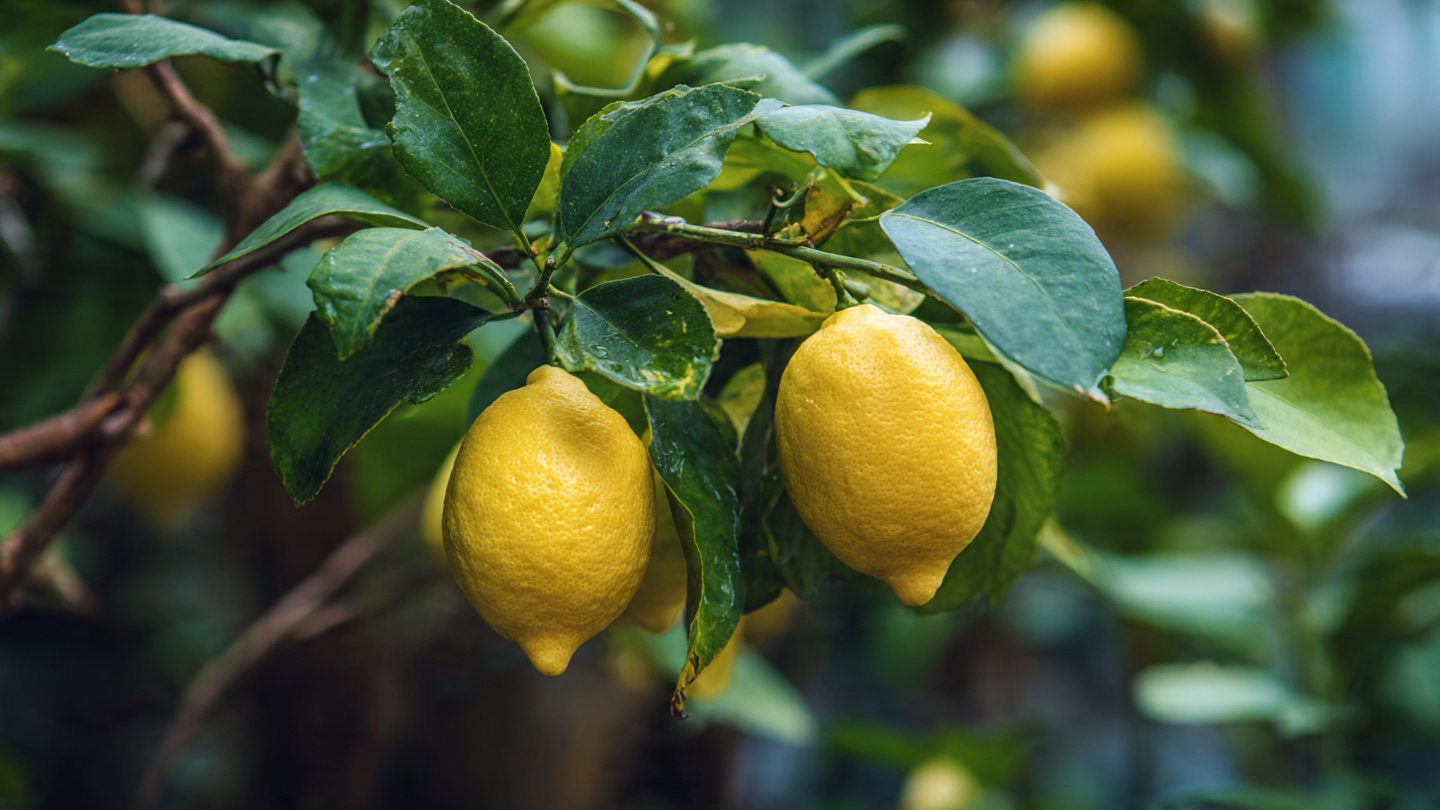
Lemon trees are a favorite among home gardeners, not just for their vibrant fruit but also for their aromatic leaves and fragrant blossoms. Growing lemons at home can be immensely rewarding, offering fresh, zesty fruits right from your garden or even your balcony. However, like all fruit trees, lemon trees require the right conditions, care, and attention to thrive. This comprehensive guide will take you step by step through the process of growing lemon trees that are fast-growing, healthy, and high-yielding.
Why Grow Lemon Trees at Home?
There are several reasons to consider planting a lemon tree at home:
- Fresh, Organic Fruit: Nothing beats the taste of lemons harvested directly from your own tree. You control the use of pesticides and fertilizers, ensuring your lemons are healthy and chemical-free.
- Aesthetic Appeal: Lemon trees are beautiful, with glossy green leaves and bright yellow fruits that can enhance any indoor or outdoor space.
- Health Benefits: Lemons are rich in vitamin C, antioxidants, and essential nutrients that promote immunity, skin health, and digestion.
- Cost-Effective: Over time, growing your own lemons can save money compared to buying them in stores, especially if you consume them frequently.
Choosing the Right Lemon Variety
Selecting the right lemon variety is crucial, as it impacts growth speed, fruit quality, and yield. Popular home garden varieties include:
- Eureka: A classic lemon tree that produces fruit year-round. It grows well in both pots and the ground.
- Lisbon: Hardy and disease-resistant, Lisbon lemons produce abundant fruit.
- Meyer Lemon: Slightly sweeter than other lemons, Meyer lemons are ideal for containers and indoor growing.
- Ponderosa: Known for large fruit, this variety can thrive indoors in a bright spot.
When choosing a variety, consider your climate, space, and whether you plan to grow the tree indoors or outdoors.
Starting From Seeds vs. Saplings
You can grow lemon trees from seeds or buy young saplings:
- From Seeds: Growing from seeds is inexpensive but slower. Expect fruit to take 3-5 years. Ensure seeds are fresh and healthy.
- From Saplings: Buying a grafted sapling accelerates fruiting. A sapling may produce fruit in 1-2 years. Grafted saplings are also more likely to inherit disease resistance and better fruit quality.
For beginners looking for quick results, saplings are usually the best choice.
Planting Your Lemon Tree
1. Selecting the Right Container or Site
- Indoor Pots: Use a pot with drainage holes, ideally 18-24 inches in diameter. Lemon trees need room for roots to grow.
- Outdoor Soil: Choose well-drained, loamy soil with a slightly acidic pH (5.5–6.5). Avoid areas where water accumulates, as lemons are prone to root rot.
2. Soil Preparation
Mix garden soil with organic compost and perlite or sand to improve drainage. Nutrient-rich, well-aerated soil ensures fast, healthy growth.
3. Planting
- Dig a hole twice as wide and deep as the root ball.
- Place the sapling in the hole and fill it with prepared soil.
- Water thoroughly to settle the soil.
- Mulch around the base to retain moisture and regulate temperature.
Watering Lemon Trees
Lemon trees need consistent watering, but overwatering can harm them. Tips include:
- Frequency: Water young trees 2-3 times a week. Mature trees need water once or twice a week. Adjust based on weather; hotter months require more frequent watering.
- Deep Watering: Water slowly and deeply to encourage deep root growth.
- Avoid Waterlogging: Ensure excess water drains away. Standing water can cause root rot.
A well-watered tree is healthy, fast-growing, and produces larger fruit.
Fertilizing for Fast Growth and High Yield
Lemon trees are heavy feeders. Proper nutrition ensures fast growth and abundant fruit:
- Nitrogen: Promotes leaf and stem growth.
- Phosphorus: Supports flowering and fruit development.
- Potassium: Strengthens roots and improves fruit quality.
- Micronutrients: Magnesium, iron, zinc, and manganese prevent deficiencies that can stunt growth.
Fertilization Schedule:
- Young trees: Feed every 6 weeks during the growing season (spring to early autumn).
- Mature trees: Fertilize 3-4 times per year.
- Use slow-release citrus fertilizers for convenience.
- Avoid over-fertilization, as excess nitrogen can reduce fruit production.
Pruning for Health and Yield
Pruning helps maintain tree shape, health, and fruit production:
- Remove dead or diseased branches promptly.
- Thin out crowded branches to improve air circulation.
- Trim tips to encourage bushy growth and more flowers.
- Avoid heavy pruning during fruiting; prune after harvest for best results.
Pruned trees are less prone to pests, grow faster, and yield more fruit.
Sunlight and Temperature Requirements
Lemon trees thrive in full sun:
- Outdoor: At least 6-8 hours of direct sunlight daily.
- Indoor: Place near south-facing windows or provide grow lights.
- Temperature: Ideal range is 70–85°F (21–29°C). Protect from frost below 32°F (0°C).
- Meyer lemons are more cold-tolerant and suitable for indoor environments.
Sufficient sunlight ensures robust growth, abundant flowering, and high fruit yield.
Pollination and Flowering
Most lemon varieties are self-pollinating, but pollinators like bees enhance fruit set. For indoor trees:
- Use a small brush or cotton swab to transfer pollen between flowers.
- Ensure flowers are healthy and well-fed; fertilization and sunlight impact flower development.
Proper pollination increases fruit size and quantity.
Pest and Disease Management
Common pests include:
- Aphids: Small insects that feed on leaves; control with neem oil or insecticidal soap.
- Spider Mites: Cause leaf discoloration; spray water or neem oil to reduce infestation.
- Scale Insects: Look like small bumps on branches; remove manually or use horticultural oil.
Diseases include:
- Root Rot: Caused by overwatering. Ensure good drainage.
- Citrus Canker: Bacterial infection; prune infected parts and apply copper-based sprays.
- Leaf Spot: Fungal infection; treat with fungicides and improve airflow around the tree.
Healthy care practices prevent most pest and disease issues.
Harvesting Lemons
Lemons usually take 6-9 months from flowering to ripen. Tips for harvesting:
- Fruit color: Yellow lemons are ripe; some varieties may retain slight green tinges.
- Firmness: Fruit should feel slightly soft to gentle pressure.
- Frequency: Pick regularly to encourage more flowering and fruiting.
- Use pruning shears or twist gently to avoid damaging branches.
Harvesting at the right time ensures maximum flavor, juiciness, and nutrient content.
Tips for Indoor Lemon Trees
Growing lemons indoors requires special care:
- Pot Selection: Use large pots with excellent drainage.
- Lighting: South-facing windows or full-spectrum grow lights.
- Humidity: Indoor air is often dry; mist leaves or use a humidity tray.
- Temperature: Keep away from cold drafts or heaters.
- Fertilization: Use water-soluble fertilizers every 4-6 weeks during growing season.
Indoor trees may produce fewer fruits, but proper care can still result in a high yield.
Maximizing Lemon Tree Yield
To achieve high yield:
- Start with a healthy, grafted sapling.
- Ensure consistent watering and nutrition.
- Maintain proper pruning and spacing.
- Promote pollination either naturally or manually.
- Monitor for pests and diseases promptly.
A well-cared-for tree can produce dozens of lemons per season for years to come.
Common Mistakes to Avoid
- Overwatering: Leading cause of root rot.
- Under-fertilizing: Results in poor growth and low fruit yield.
- Neglecting Sunlight: Causes weak, spindly growth.
- Ignoring Pests: Small infestations can escalate quickly.
- Planting in Poor Soil: Heavy clay or waterlogged soil inhibits growth.
Awareness of these mistakes ensures your lemon tree grows fast, healthy, and productive.
Conclusion
Growing lemons at home is both an art and a science. By selecting the right variety, providing optimal soil, water, sunlight, and nutrients, and practicing proper care, you can cultivate lemon trees that are fast-growing, healthy, and high-yielding. Whether planted in your garden or nurtured in a pot indoors, homegrown lemons bring freshness, flavor, and beauty into your life. With patience, attention, and love, you’ll enjoy the satisfaction of harvesting your very own lemons and elevating your culinary and gardening experiences.