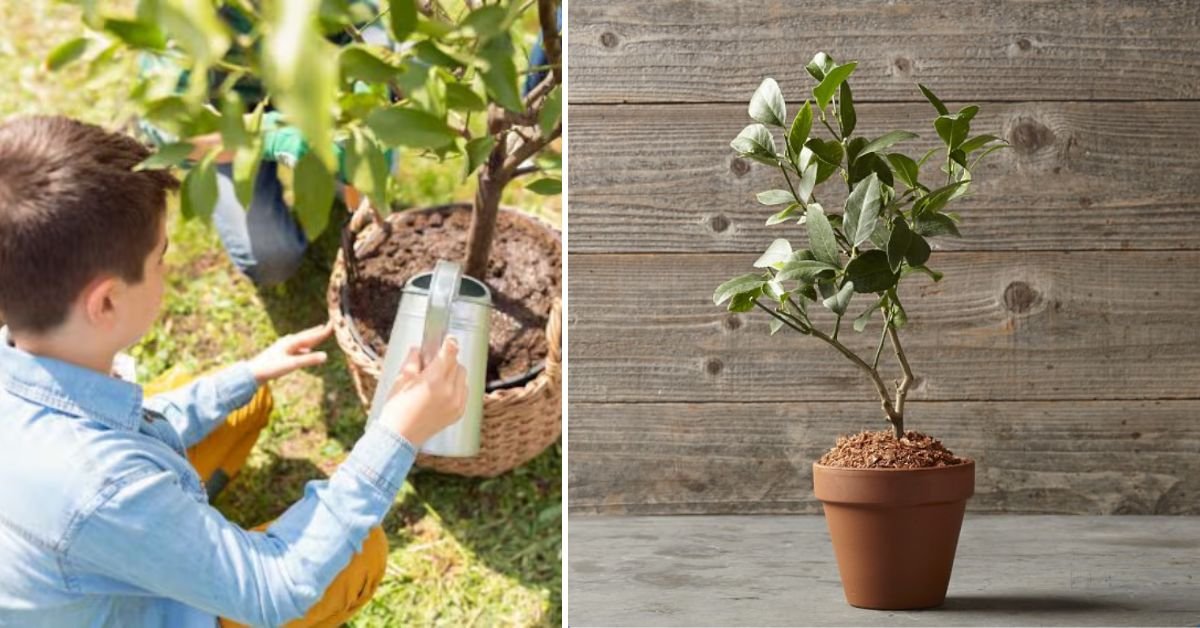
Lemon trees are among the most rewarding fruit plants you can grow at home. Their glossy green leaves, fragrant white blossoms, and bright yellow fruits add beauty and freshness to any garden, balcony, or patio. What makes lemons even more exciting is that you don’t need to keep buying new plants. With the right techniques, you can propagate lemon trees easily and grow an unlimited supply from a single healthy plant. This complete guide will walk you through simple, reliable methods of lemon propagation that beginners and home gardeners can follow with confidence.
Why Propagate Lemon Trees at Home?
Propagating lemon trees has many advantages over purchasing nursery plants. It saves money, allows you to multiply your favorite variety, and gives you full control over how your plants are grown. Home-propagated lemon trees are often better adapted to your local climate and growing conditions, making them healthier and more productive in the long run.
Another major benefit is consistency. When you propagate from a healthy, productive lemon tree, the new plants carry the same desirable traits—such as fruit flavor, size, and yield. This means you can enjoy the same quality lemons year after year without relying on seeds or unpredictable nursery stock.
Understanding Lemon Propagation
Lemon trees can be propagated in several ways, but not all methods produce the same results. The most common propagation techniques include growing from seeds, stem cuttings, air layering, and grafting. Each method has its advantages, but for home gardeners looking for fast and reliable results, vegetative propagation methods are usually best.
Seed-grown lemon trees can take many years to bear fruit and may not be true to the parent plant. In contrast, propagation from cuttings or air layering produces plants that fruit earlier and remain true to type.
Best Time to Propagate Lemon Trees
Timing plays a key role in successful propagation. The best time to propagate lemon trees is during warm months when the plant is actively growing. Late spring through early summer is ideal, as temperatures are moderate and humidity is higher, encouraging faster root development.
Avoid propagating during extreme heat, cold, or very dry conditions, as stress can reduce success rates. A stable, warm environment gives young plants the best start.
Growing Lemon Trees from Cuttings
Propagation from cuttings is one of the easiest and most popular methods for home gardeners. It is simple, inexpensive, and highly effective when done correctly.
How to Take Lemon Cuttings
Choose a healthy, disease-free lemon tree with strong growth. Select a semi-hardwood branch—one that is mature but still flexible. Cut a section about 6–8 inches long, just below a leaf node. Remove the lower leaves, leaving only a few at the top to reduce moisture loss.
Rooting the Cutting
Dip the cut end in rooting hormone if available, as this encourages faster root formation. Plant the cutting in a pot filled with a well-draining mix of sand, compost, and garden soil. Water lightly and cover the pot with a clear plastic bag to create a humid environment.
Place the pot in bright, indirect sunlight. Within 4–6 weeks, roots should begin to develop. Once new growth appears, the cutting is ready to be gradually exposed to open air.
Air Layering: A Highly Reliable Method
Air layering is another excellent way to propagate lemon trees, especially if you want a larger, stronger plant more quickly. This method allows roots to form while the branch is still attached to the parent tree, ensuring a steady supply of nutrients during root development.
Steps for Air Layering
Select a healthy branch about the thickness of a pencil. Remove a small ring of bark about one inch wide. Apply moist growing medium such as coco peat or sphagnum moss around the exposed area and wrap it with plastic to retain moisture.
Keep the moss consistently moist. In a few weeks, roots will form inside the wrap. Once you see a healthy root system, cut the branch below the rooted area and plant it in a pot. Air-layered lemon plants often establish quickly and fruit sooner than seed-grown plants.
Can You Grow Lemon Trees from Seeds?
Yes, lemon trees can be grown from seeds, and it can be a fun experiment, especially for beginners. However, seed-grown lemon trees usually take longer to fruit and may not produce the same quality lemons as the parent plant.
To grow from seed, use fresh seeds from a ripe lemon. Clean them thoroughly and plant them in moist, well-draining soil. Keep the soil warm and slightly moist. Germination typically occurs within 2–3 weeks. While seed-grown trees make attractive ornamental plants, vegetative propagation remains the best option for fruit production.
Caring for Newly Propagated Lemon Plants
Proper aftercare is essential for strong growth and long-term success. Young lemon plants need consistent moisture but should never sit in waterlogged soil. Good drainage is crucial to prevent root rot.
Place young plants in bright sunlight once they are established, as lemon trees thrive in full sun. Gradually increase sun exposure to avoid leaf burn. Feeding with diluted organic fertilizer after a few weeks encourages healthy growth.
Regularly check for pests and remove any weak or damaged growth. Early care sets the foundation for a strong, productive tree.
Growing Lemon Trees in Pots
One of the greatest advantages of lemon trees is their suitability for container gardening. Propagated lemon plants grow very well in pots, making them perfect for balconies, terraces, and small gardens.
Choose a large pot with drainage holes and use a nutrient-rich, well-draining potting mix. Potted lemon trees may require more frequent watering and feeding than those grown in the ground. With proper care, container-grown lemon trees can produce abundant fruit for many years.
Common Mistakes to Avoid
Many propagation failures occur due to simple mistakes. Avoid using weak or diseased branches for cuttings. Overwatering is another common issue that leads to root rot. Always ensure good drainage and moderate watering.
Lack of patience can also be a problem. Propagation takes time, and rushing the process by exposing young plants too early can stress or kill them. Gentle care and consistency are key.
Enjoy the Benefits of Unlimited Lemon Trees
Once you master lemon propagation, you’ll never need to buy lemon plants again. You can share plants with friends, expand your garden, or grow multiple trees for continuous harvests. Lemon trees not only provide fresh fruit but also improve air quality, enhance garden aesthetics, and bring a sense of achievement to every gardener.
Conclusion
Growing unlimited lemon trees is not a dream—it’s a practical and rewarding skill any home gardener can learn. By using simple propagation methods like cuttings and air layering, you can multiply your favorite lemon tree quickly and easily. With the right timing, proper care, and a bit of patience, your home can be filled with healthy lemon trees producing fragrant blossoms and juicy fruits year after year. Lemon propagation is truly one of the most satisfying ways to enjoy gardening and fresh citrus at home.