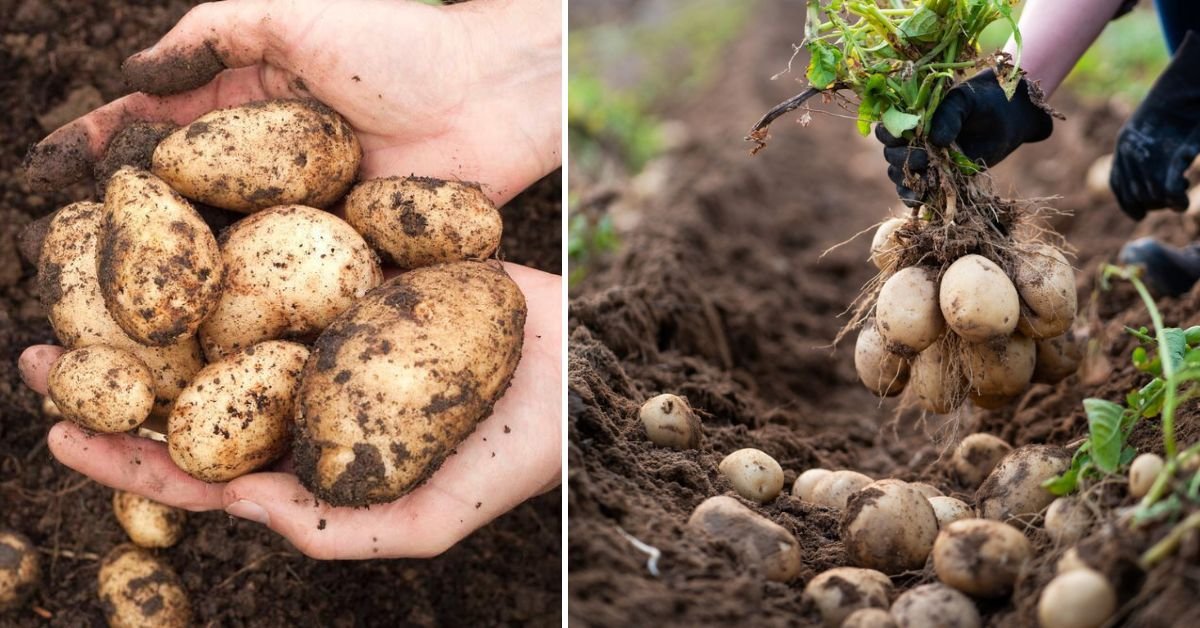
Potatoes are often celebrated as a kitchen staple, but few gardeners realize their surprising power in the garden. Beyond being a nutritious food, potatoes contain natural compounds that can stimulate root development, improve plant establishment, and support healthier growth—especially during propagation. From home gardeners to organic growers, many have discovered that potatoes can act as a simple, natural growth booster when used correctly.
This article explores the hidden power of potatoes, how they support plant growth naturally, and practical ways you can use them to improve your gardening results without chemicals.
Why Potatoes Help Plants Grow Better
Potatoes are living storage organs packed with nutrients and moisture. Their biological purpose is to support new plant growth, and those same properties can be harnessed to help other plants.
Key reasons potatoes benefit plant growth include:
- High moisture content that prevents cuttings from drying out
- Natural carbohydrates that supply energy for early root development
- Small amounts of minerals such as potassium and phosphorus
- Mild antimicrobial properties that reduce rot in fresh cuttings
When used properly, potatoes create a supportive microenvironment for young plants during their most vulnerable stage.
The Science Behind Potato-Powered Growth
Inside every potato is stored starch, which gradually converts into sugars as conditions allow. These sugars act as an immediate energy source for developing roots. At the same time, potatoes retain moisture exceptionally well, keeping plant cuttings hydrated without waterlogging.
Potatoes also contain trace nutrients that encourage cell division and root initiation. While they are not a complete fertilizer, they provide just enough support to help cuttings survive and establish themselves until they can absorb nutrients from soil.
Best Plants That Benefit from Potatoes
Potatoes are especially useful for propagating plants from cuttings. Softwood, semi-hardwood, and some hardwood cuttings respond very well.
Plants that commonly benefit include:
- Roses
- Hibiscus
- Bougainvillea
- Coleus
- Geraniums
- Money plant (pothos)
- Grapevines
- Figs
While potatoes won’t replace proper soil nutrition, they significantly improve success rates during propagation.
How to Use Potatoes for Plant Cuttings (Step-by-Step)
This is the most popular and effective way to use potatoes in gardening.
Step 1: Choose a Healthy Potato
Select a firm, disease-free potato. Avoid potatoes that are rotting or heavily sprouted.
Step 2: Prepare the Potato
Wash the potato thoroughly. If it has eyes (sprouts), remove them so the potato doesn’t grow on its own.
Step 3: Prepare the Cutting
Take a healthy cutting about 10–15 cm long. Remove lower leaves and make a clean cut just below a node.
Step 4: Insert the Cutting
Use a clean tool to make a hole in the potato. Insert the cutting so the base sits snugly inside.
Step 5: Plant It
Plant the potato with the cutting into well-draining soil, leaving the top of the cutting exposed.
Step 6: Water and Care
Water lightly and keep the soil moist but not soggy. Place in bright, indirect light.
Within 2–4 weeks, roots usually begin to form.
Using Potatoes as a Natural Rooting Alternative
Many gardeners use chemical rooting hormones, but potatoes offer a gentle, natural alternative. While they don’t contain synthetic hormones, they support the plant’s own hormone production by reducing stress and dehydration.
Benefits over chemical rooting products:
- Safe for organic gardening
- Non-toxic to children and pets
- Inexpensive and widely available
- No risk of overuse
This makes potatoes ideal for beginner gardeners or anyone wanting a more natural approach.
Can Potatoes Improve Soil Health?
Indirectly, yes. When potato pieces decompose in soil, they contribute organic matter that feeds beneficial microorganisms. This improves soil structure and microbial activity over time.
However, whole potatoes should not be buried randomly in garden beds, as they may sprout or attract pests. Controlled use—such as with cuttings or compost—is far more effective.
Potatoes in Compost and Garden Beds
Potatoes can be composted to add carbon and moisture to compost piles. Chopped potato scraps break down quickly and help heat up compost.
Tips for composting potatoes:
- Chop into small pieces
- Mix with dry materials like leaves or straw
- Bury scraps deep in the pile to deter pests
Once fully composted, potato nutrients become part of a balanced soil amendment.
Common Mistakes to Avoid
While potatoes are helpful, incorrect use can cause problems.
Avoid these mistakes:
- Using rotten potatoes (leads to fungal growth)
- Leaving potato eyes intact (causes unwanted sprouting)
- Overwatering soil (can rot both cutting and potato)
- Using potatoes for plants that root easily in water (unnecessary)
Moderation and cleanliness are key to success.
Potato Water: A Mild Growth Booster
Another lesser-known method is using potato water—the water leftover after boiling potatoes (without salt).
How to use it:
- Let the water cool completely
- Dilute with fresh water (1:1)
- Use occasionally to water plants
This water contains small amounts of potassium and starch, which can give plants a gentle boost. Use sparingly, as too much starch can encourage microbial imbalance.
Is the Potato Method a Miracle Solution?
Potatoes are not a magic fertilizer, and they won’t replace good soil, sunlight, or proper watering. Their strength lies in early-stage plant support, especially during propagation.
Think of potatoes as a temporary helper—not a long-term nutrient source. When combined with healthy soil and good gardening practices, they can significantly improve plant survival and early growth.
Final Thoughts
The hidden power of potatoes lies in their simplicity. What looks like an ordinary vegetable is actually a natural growth-support system designed by nature itself. By using potatoes wisely, gardeners can improve propagation success, reduce reliance on chemicals, and grow stronger plants from the very beginning.
Whether you’re multiplying your favorite ornamentals or experimenting with eco-friendly gardening methods, potatoes offer an easy, affordable, and surprisingly effective way to boost plant growth naturally—straight from your kitchen to your garden.