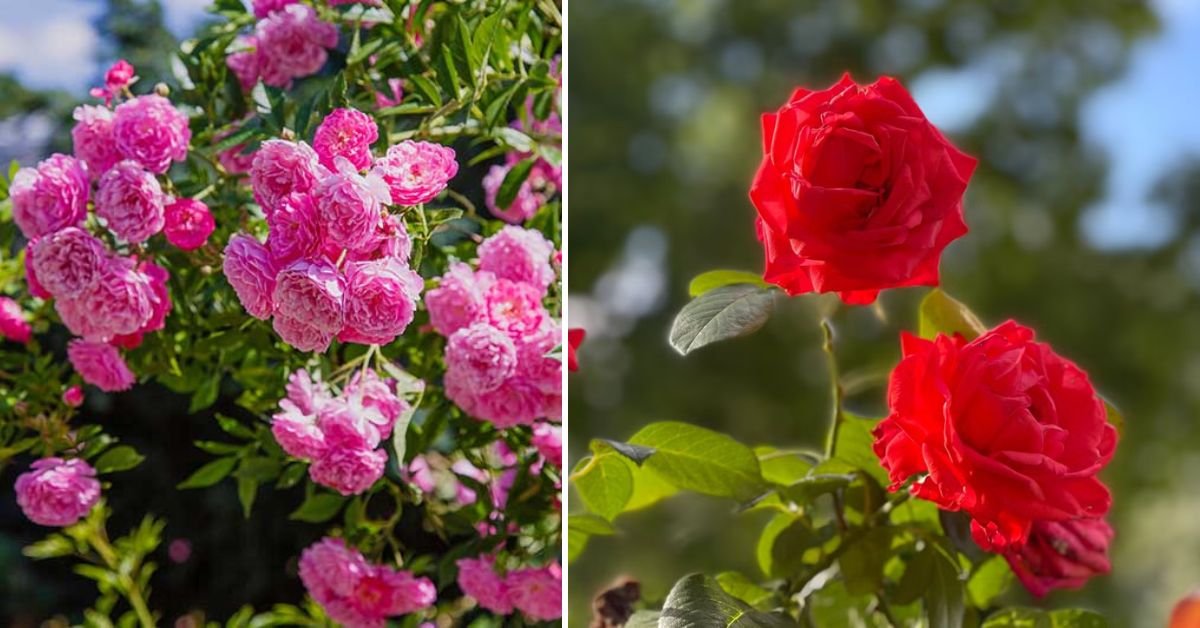
Roses have long been celebrated as the queens of the garden, admired for their elegance, fragrance, and breathtaking variety of colors. While buying new rose plants can be expensive, there is a far more rewarding and cost-effective way to fill your garden with these timeless blooms: propagation. With the right techniques and a little patience, you can grow endless roses from existing plants and enjoy stunning flowers year after year.
This comprehensive guide will walk you through the most effective methods of rose propagation, helping beginners and seasoned gardeners alike multiply their favorite varieties successfully.
Why Propagate Roses at Home?
Rose propagation allows you to clone your favorite plants, preserving their color, fragrance, and growth habit. Instead of relying on nursery stock, you can expand your rose collection for free while gaining a deeper understanding of plant growth.
Benefits of propagating roses include:
- Saving money on new plants
- Preserving rare or sentimental rose varieties
- Creating uniform hedges or rose beds
- Sharing plants with friends and family
- Gaining gardening confidence and skills
Most importantly, propagated roses often adapt better to your local conditions since they originate from plants already thriving in your garden.
Understanding the Best Time for Rose Propagation
Timing plays a crucial role in successful rose propagation. The ideal period depends on the method you choose.
- Softwood cuttings: Late spring to early summer
- Semi-hardwood cuttings: Late summer to early autumn
- Hardwood cuttings: Late autumn to winter (dormant season)
Warm temperatures, moderate humidity, and healthy parent plants significantly increase your success rate.
Method 1: Growing Roses from Stem Cuttings
This is the most popular and beginner-friendly method of rose propagation.
Step-by-Step Process
- Select a Healthy Stem
Choose a disease-free stem that has recently finished blooming. It should be about pencil thickness and 6–8 inches long. - Make the Cut
Use clean, sharp pruning shears to cut just below a leaf node at a 45-degree angle. - Prepare the Cutting
Remove flowers and lower leaves, leaving only the top two or three leaves intact. - Optional Rooting Hormone
Dip the cut end into rooting hormone to speed up root development, though roses can root without it. - Planting Medium
Insert the cutting into moist, well-draining soil, sand, or coco peat. Ensure at least one node is buried. - Create a Humid Environment
Cover the cutting with a transparent plastic bottle or bag to retain moisture. - Placement
Keep the cutting in bright, indirect sunlight. Avoid harsh direct sun during early stages.
Roots usually develop within 3–6 weeks, after which new leaf growth indicates success.
Method 2: Rose Propagation Using Water
This method is simple and visually rewarding, making it ideal for beginners.
- Place prepared rose cuttings in a clean glass of water.
- Change the water every 2–3 days to prevent bacterial growth.
- Keep the container in indirect sunlight.
Once roots reach about 1–2 inches in length, transplant the cutting into soil carefully. While water propagation is easy, soil-rooted cuttings often adapt better long-term.
Method 3: Layering for Stronger Roots
Layering is one of the most reliable propagation methods, especially for climbing and shrub roses.
How Layering Works
- Choose a flexible, healthy branch close to the ground.
- Gently bend it down and make a small cut or scrape on the underside.
- Bury the wounded section in soil while keeping the tip exposed.
- Secure it with a stone or garden pin and water regularly.
Roots form while the branch is still attached to the parent plant, ensuring a steady nutrient supply. Once well-rooted, the new plant can be separated and replanted.
Soil, Water, and Light Requirements
Soil
Roses thrive in loose, nutrient-rich, well-draining soil. A mix of garden soil, compost, and sand works well for propagation.
Water
- Keep soil consistently moist, not soggy.
- Overwatering leads to rot, while underwatering slows root development.
Light
- Bright, indirect sunlight is ideal during early stages.
- Gradually introduce young plants to full sun once established.
Caring for Newly Propagated Roses
Young rose plants are delicate and require extra attention.
- Avoid strong fertilizers until roots are well-established.
- Protect from extreme heat, heavy rain, and pests.
- Remove weeds that compete for nutrients.
- Prune lightly to encourage bushy growth once established.
Within a few months, propagated roses begin to resemble mature plants and can be transferred to larger pots or garden beds.
Common Mistakes to Avoid
- Using diseased or weak parent plants
- Allowing cuttings to dry out
- Overwatering and poor drainage
- Placing cuttings in direct sunlight too soon
- Disturbing roots before they are fully developed
Avoiding these mistakes dramatically increases your propagation success.
How Long Before You See Blooms?
Patience is key when propagating roses. While roots may form within weeks, flowering typically begins after 6–12 months, depending on variety and growing conditions. With proper care, propagated roses often bloom just as beautifully as the parent plant.
Creating a Garden Full of Endless Roses
Once you master rose propagation, the possibilities are endless. You can design rose borders, fill empty garden spaces, grow roses in containers, or even start a small rose nursery at home. Each successful cutting builds confidence and deepens your connection with your garden.
Final Thoughts
Propagating roses is one of the most satisfying experiences in gardening. It transforms a single plant into a living legacy of beauty, fragrance, and color. With the right techniques, patience, and care, you can grow endless roses and enjoy stunning blooms season after season.
Whether you’re nurturing your first cutting or expanding an entire rose garden, this effective guide empowers you to create a flourishing display of roses—proof that nature rewards those who learn to grow with it.