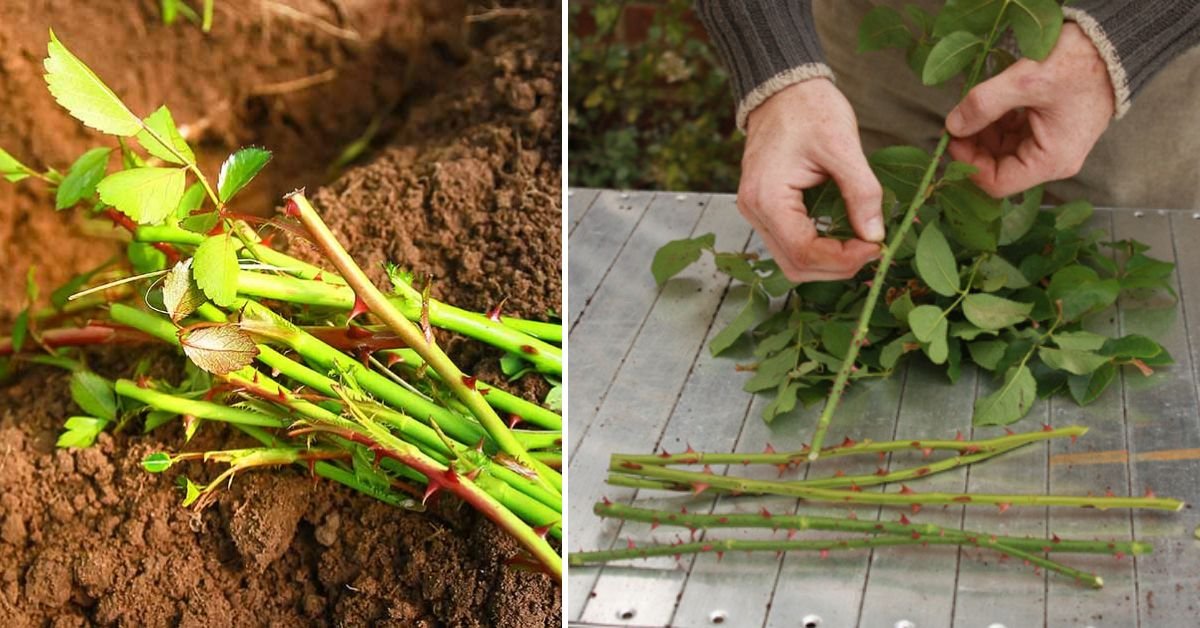
Roses are often called the queens of the garden, admired for their timeless beauty, fragrance, and wide range of colors. Many gardeners believe growing roses is difficult or expensive, especially when buying new plants every season. The truth is, you can easily multiply your rose collection at home using a simple and highly rewarding method: propagation from cuttings. With patience and the right technique, a single healthy rose plant can become many, filling your garden with blooms at little to no cost.
This ultimate step-by-step guide will walk you through the entire process of propagating roses from cuttings, even if you are a complete beginner.
Why Propagate Roses from Cuttings?
Propagating roses from cuttings allows you to create new plants that are exact copies of the parent plant. This means the new roses will have the same flower color, fragrance, and growth habit you already love. It is also one of the most economical ways to expand your garden, share plants with friends, or preserve a favorite rose variety.
Unlike growing roses from seeds, which can be unpredictable and slow, cuttings offer faster and more reliable results when done correctly.
Choosing the Right Time for Rose Cuttings
Timing plays a major role in successful rose propagation. The best time to take cuttings is during the plant’s active growing season, usually late spring to early summer. At this stage, stems are semi-hardwood—neither too soft nor too woody—making them ideal for root development.
In warmer climates, early autumn can also work well, provided the cuttings are protected from extreme heat or cold.
Selecting Healthy Rose Stems
Healthy plant material is the foundation of successful propagation. Choose a rose plant that is disease-free, vigorous, and well-watered. Look for stems that have recently finished blooming or are just about to bloom.
The ideal cutting should be:
- About 6–8 inches long
- Green and flexible, not dry or woody
- Free from pests, spots, or damage
Avoid very young, soft shoots or old, woody stems, as they root poorly.
Step-by-Step: How to Take Rose Cuttings
- Prepare Your Tools
Use clean, sharp pruning shears or a knife. Sterilize them with rubbing alcohol to prevent disease transfer. - Make the Cut
Cut just below a leaf node (the point where a leaf grows from the stem). A slanted cut increases the surface area for root formation. - Trim the Leaves
Remove the lower leaves completely, leaving only the top two or three leaves. This reduces moisture loss while still allowing photosynthesis. - Remove Flowers or Buds
Any buds or flowers should be removed so the cutting can focus its energy on forming roots instead of blooming.
Preparing the Rooting Medium
Roses root best in a light, well-draining medium. Heavy garden soil can retain too much water and cause rot.
A good rooting mix can include:
- Garden soil mixed with sand
- Coco peat and compost
- Perlite with a small amount of soil
The goal is to keep the medium moist but never soggy. Fill small pots or containers with the mix and water it lightly before planting the cuttings.
Using Natural Rooting Boosters (Optional)
While not required, natural rooting aids can improve success rates. Many gardeners use homemade alternatives instead of commercial rooting hormones.
Popular natural options include:
- Aloe vera gel (applied to the cut end)
- Honey diluted in water
- Cinnamon powder to prevent fungal infection
Dip the cut end of the rose stem into your chosen rooting aid before planting.
Planting the Rose Cuttings
Insert the cutting into the soil so that at least one or two leaf nodes are buried. Gently firm the soil around the stem to hold it upright. Do not push the cutting too deep, as this can restrict airflow.
Water lightly after planting to settle the soil.
Creating the Perfect Environment
Rose cuttings need warmth and humidity to root successfully. To create a mini greenhouse effect:
- Cover the pot with a transparent plastic bag or bottle
- Ensure the plastic does not touch the leaves
- Place the pot in bright, indirect light
Avoid direct sunlight, which can overheat the cutting and cause it to wilt.
Watering and Care During Rooting
Check moisture levels regularly. The soil should remain slightly moist but never waterlogged. Overwatering is one of the most common reasons cuttings fail.
Mist the inside of the plastic cover occasionally to maintain humidity. Good airflow is also important, so briefly remove the cover every day to prevent mold or fungal growth.
Signs of Successful Rooting
Root development usually takes 3–6 weeks, depending on temperature and rose variety. You may notice:
- New leaf growth
- Increased stem firmness
- Resistance when gently tugging the cutting
These are positive signs that roots are forming underground.
Transplanting Your New Rose Plants
Once the cutting has established roots and shows healthy growth, it is ready to be transplanted into a larger pot or directly into the garden.
Harden the plant gradually by exposing it to outdoor conditions for a few hours each day over a week. This reduces transplant shock and helps the young rose adjust.
Common Mistakes to Avoid
- Using unhealthy or flowering stems
- Overwatering the cuttings
- Exposing cuttings to harsh sunlight
- Skipping tool sterilization
Avoiding these mistakes greatly increases your success rate.
Final Thoughts
Propagating roses from cuttings is a simple yet powerful gardening skill that allows you to multiply beauty effortlessly. With just a few basic tools, healthy stems, and consistent care, you can turn one rose plant into many thriving bushes.
This step-by-step method proves that you don’t need advanced skills or expensive supplies to grow roses successfully. All it takes is patience, observation, and a love for gardening. Soon, your garden will be filled with blooming roses—each one a living reminder of the joy and satisfaction that comes from growing plants with your own hands.