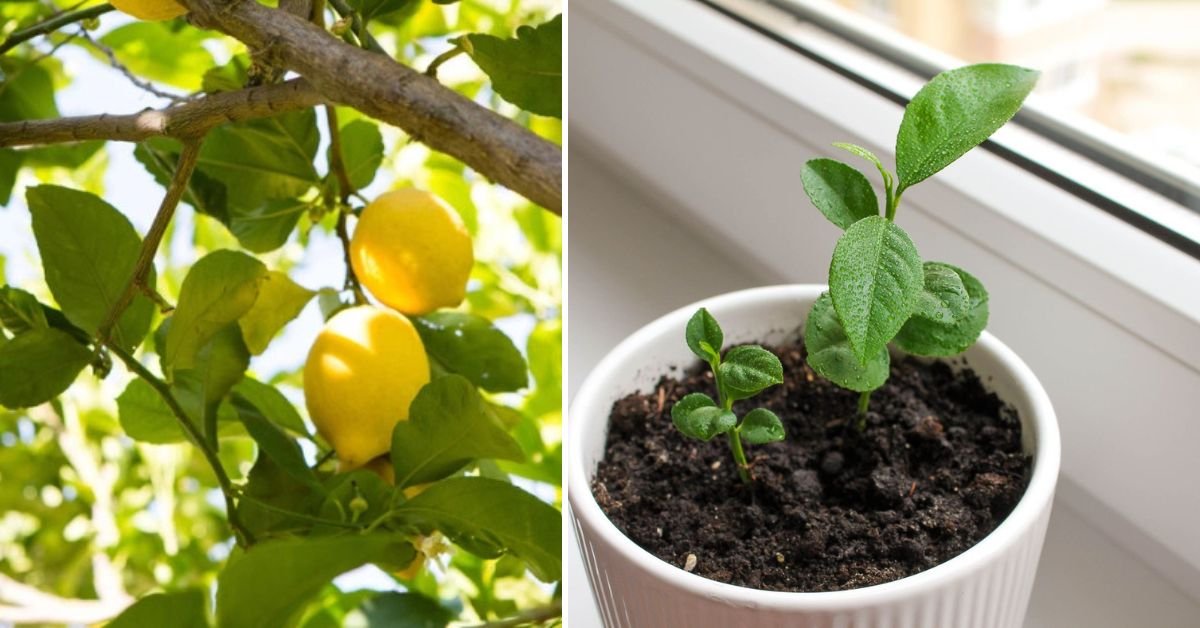
Growing your own lemon tree is deeply satisfying, but did you know you can turn a single healthy lemon plant into many new trees without planting seeds? Propagating lemon trees from cuttings is one of the most reliable, cost-effective, and rewarding ways to multiply your citrus plants at home. With the right technique, patience, and care, you can create strong, productive lemon trees that grow faster and fruit earlier than seed-grown plants.
This complete guide walks you through every step—from choosing the right cutting to caring for your young lemon trees—so even beginners can succeed.
Why Grow Lemon Trees from Cuttings?
While lemon seeds can sprout easily, seed-grown trees often take years to bear fruit and may not produce lemons true to the parent plant. Cuttings, on the other hand, are genetic clones of the original tree.
Benefits of propagation from cuttings:
- Faster fruiting compared to seed-grown trees
- Guaranteed fruit quality identical to the parent plant
- No need to buy grafted saplings
- Ideal for container gardening and small spaces
If you already have access to a healthy lemon tree, you have everything you need to get started.
Best Time to Take Lemon Cuttings
Timing plays a major role in successful propagation. The ideal period is during warm, active growth when the plant has plenty of energy.
Best seasons:
- Late spring to early summer
- Warm, frost-free weather
Avoid very cold or extremely hot periods, as stress reduces rooting success.
Choosing the Right Lemon Branch
Not all branches are suitable for cuttings. Selecting the right one greatly increases your chances of success.
Ideal cutting characteristics:
- Semi-hardwood (not too soft, not fully woody)
- 6–8 inches long
- Healthy green color with no disease or pests
- At least 2–3 leaf nodes
Avoid flowering or fruiting branches, as they divert energy away from root formation.
Tools and Materials You’ll Need
Before you begin, gather all necessary items to ensure a smooth process.
- Sharp, clean pruning shears
- Small pots or containers with drainage holes
- Well-draining potting mix
- Coco peat or sand (optional for better aeration)
- Rooting hormone (optional but helpful)
- Transparent plastic bag or bottle (for humidity)
Always sterilize tools to prevent infections.
How to Prepare Lemon Cuttings
- Make a clean cut just below a leaf node at a slight angle.
- Remove lower leaves, keeping only 1–2 leaves at the top.
- Trim large leaves in half to reduce moisture loss.
- Optional: Dip the cut end in rooting hormone to speed up root development.
This preparation helps the cutting focus energy on forming roots instead of supporting excess foliage.
Preparing the Potting Medium
Lemon cuttings require a light, airy medium that holds moisture without becoming soggy.
Recommended soil mix:
- 50% coco peat or peat moss
- 30% compost or vermicompost
- 20% sand or perlite
This mix encourages quick root formation while preventing rot.
Planting the Lemon Cuttings
- Fill the pot with prepared soil mix.
- Make a hole using a stick or finger.
- Insert the cutting 2–3 inches deep.
- Firm the soil gently around the base.
- Water lightly to settle the soil.
Do not overwater at this stage—excess moisture is the most common cause of failure.
Creating the Perfect Environment for Rooting
Humidity and warmth are critical for success.
How to maintain ideal conditions:
- Cover the pot with a transparent plastic bag or bottle
- Keep in bright, indirect sunlight
- Maintain warm temperatures (20–30°C / 68–86°F)
Remove the cover briefly every few days for air circulation to prevent fungal growth.
Watering and Care During Rooting
Lemon cuttings are delicate while rooting.
Care tips:
- Keep soil slightly moist, never waterlogged
- Mist leaves occasionally if humidity is low
- Avoid direct sunlight until roots form
Roots usually begin developing within 3–5 weeks, though some cuttings may take longer.
How to Know When Roots Have Formed
You’ll notice signs that your cutting is becoming an independent plant.
Rooting indicators:
- New leaf growth appears
- Cutting stays firm when gently tugged
- Leaves remain green and healthy
Once roots are established, gradually remove the humidity cover.
Transplanting to a Larger Pot
After 6–8 weeks, your young lemon tree will be ready for transplanting.
Steps for transplanting:
- Choose a larger container with good drainage
- Use nutrient-rich potting soil
- Gently transfer without disturbing roots
- Water thoroughly after transplanting
Place the plant in partial sunlight for a week before moving it to full sun.
Caring for Young Lemon Trees
Proper care during early growth determines long-term success.
Sunlight:
- 6–8 hours of direct sunlight daily
Watering:
- Water when the top inch of soil feels dry
- Avoid standing water
Feeding:
- Start light feeding after 2 months
- Use organic citrus fertilizer or compost tea
Pinch early flowers during the first year to allow stronger root and branch development.
Common Mistakes to Avoid
- Using heavy garden soil
- Overwatering cuttings
- Exposing young plants to harsh sun too early
- Taking cuttings from weak or diseased plants
Avoiding these mistakes dramatically improves success rates.
When Will Your Lemon Tree Bear Fruit?
Lemon trees grown from cuttings typically produce fruit faster than seed-grown plants.
Expected timeline:
- Healthy growth in first year
- Flowering in 2–3 years
- Full fruiting shortly after
With proper care, your lemon tree can produce for many years, even in containers.
Final Thoughts
Turning one lemon tree into many through cuttings is a powerful gardening skill that saves money, preserves quality, and brings immense satisfaction. Whether you’re growing on a balcony, terrace, or backyard, this method allows you to build your own mini citrus orchard with minimal effort.
Once you master this technique, you’ll realize that growing lemon trees isn’t just about fruit—it’s about multiplying life, learning patience, and enjoying the simple joy of watching new plants thrive from a single branch.