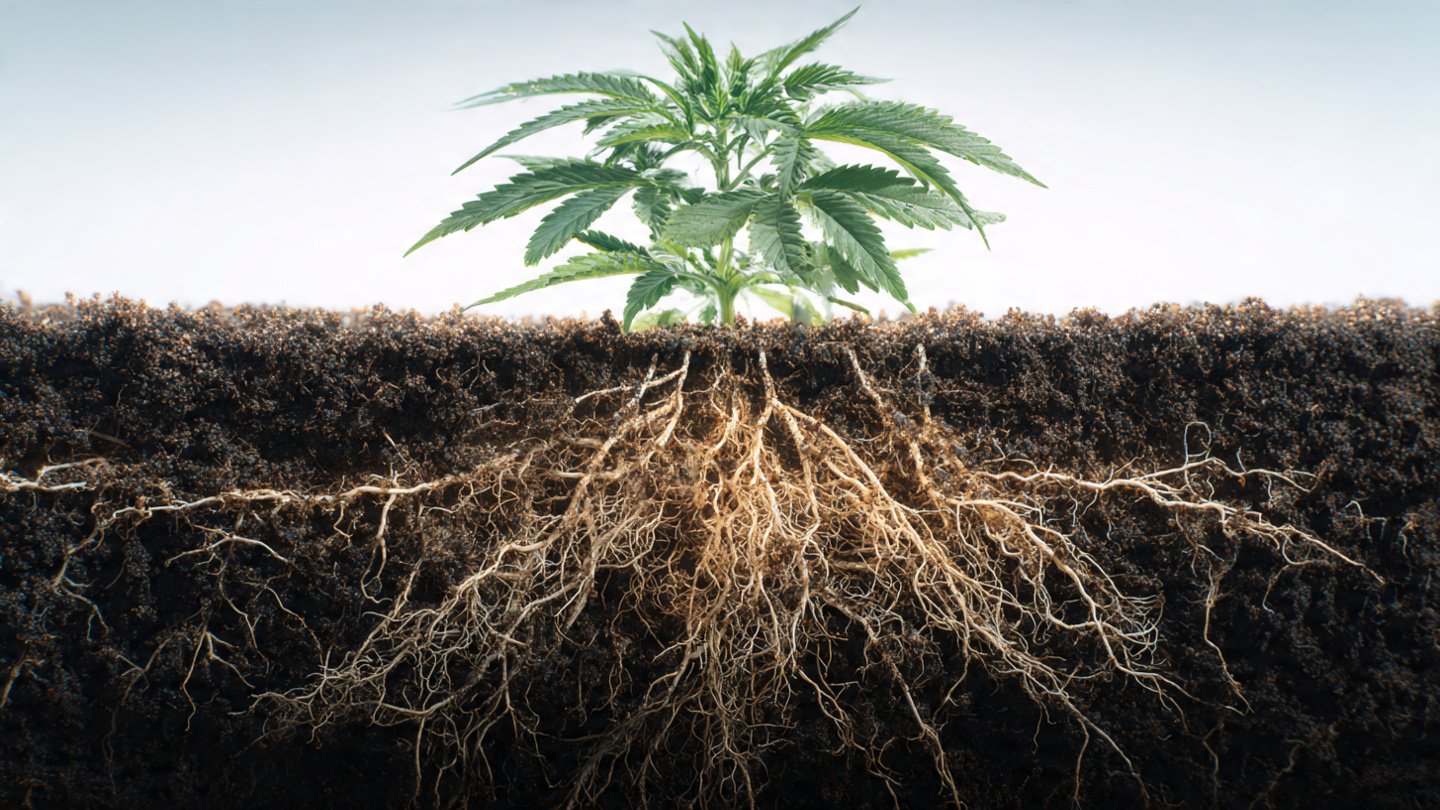
Growing healthy, vibrant plants is a goal for every gardener, whether you’re cultivating a backyard garden, a balcony planter, or an indoor oasis. But achieving fast growth, strong roots, and maximum yield isn’t just about watering and sunlight—it’s about understanding plant biology, optimizing growing conditions, and using the right techniques at each stage of development. This guide offers a complete roadmap for cultivating plants that thrive and deliver the best results.
Understanding Plant Growth Fundamentals
Before diving into methods, it’s essential to understand the key factors that influence plant health and productivity:
- Photosynthesis: Plants convert sunlight into energy through photosynthesis. Adequate light is vital for fast growth.
- Roots: Healthy roots anchor the plant, absorb water, and uptake nutrients. Strong root systems are the foundation of robust growth.
- Nutrients: Plants require macronutrients like nitrogen, phosphorus, and potassium, and micronutrients like iron, magnesium, and zinc for balanced growth.
- Water: Moisture is crucial, but overwatering can suffocate roots and cause disease.
- Environmental Factors: Temperature, humidity, and air circulation significantly affect plant metabolism, flowering, and fruiting.
By addressing these fundamental elements, you set the stage for fast-growing, resilient plants.
Choosing the Right Plants and Varieties
The journey to maximum yield starts with the right plant selection:
- Seed Quality: Always choose fresh, high-germination seeds from reputable suppliers.
- Variety Selection: Opt for disease-resistant or fast-growing cultivars when possible.
- Climate Adaptation: Select plants suited to your local climate to reduce stress and promote vigorous growth.
Selecting the right plant and variety reduces complications and accelerates growth naturally.
Soil Preparation for Healthy Plants
Healthy plants require nutrient-rich, well-structured soil. Follow these steps for optimal results:
- Soil Type: Most plants thrive in loamy soil, which balances water retention and drainage.
- pH Level: Test the soil and adjust pH to the ideal range for your plant (generally 6–7 for most vegetables).
- Organic Matter: Mix in compost, manure, or leaf mold to enhance fertility and soil structure.
- Aeration: Loosen the soil to prevent compaction, ensuring roots can expand freely.
A well-prepared soil foundation allows roots to develop efficiently, supports fast growth, and ensures high yields.
Planting Techniques for Fast Growth
Proper planting techniques set the stage for rapid development:
- Seed Sowing: Sow seeds at the recommended depth and spacing. Crowded plants compete for nutrients and sunlight.
- Transplanting Seedlings: When transplanting, handle roots gently and plant at the same depth they were growing in the nursery.
- Container Gardening: Ensure containers have drainage holes, use quality potting mix, and maintain adequate space for roots to grow.
Correct planting minimizes transplant shock, encourages strong roots, and accelerates above-ground growth.
Watering Practices for Maximum Health
Watering is one of the most critical factors for plant growth:
- Consistent Moisture: Maintain even soil moisture without waterlogging. Fluctuating moisture levels stress plants and slow growth.
- Deep Watering: Encourage deep root development by watering slowly and thoroughly, allowing roots to seek moisture.
- Time of Day: Early morning watering reduces evaporation and fungal disease risk.
- Mulching: Cover soil with organic mulch to retain moisture, regulate temperature, and suppress weeds.
Proper watering techniques ensure plants are hydrated, resilient, and capable of rapid growth.
Fertilization Strategies for Fast Growth
Nutrients are the building blocks of plant health. A targeted fertilization plan accelerates growth and boosts yield:
- Nitrogen (N): Supports leafy growth. Apply during early growth stages for strong foliage.
- Phosphorus (P): Encourages root development. Essential during seedling establishment and transplanting.
- Potassium (K): Improves flowering, fruiting, and disease resistance.
- Micronutrients: Ensure availability of magnesium, iron, calcium, and zinc for balanced growth.
Fertilization Schedule Example:
- Seedlings: Light, nitrogen-rich feed every 2–3 weeks.
- Vegetative Stage: Balanced NPK fertilizers to support stems and leaves.
- Flowering/Fruiting Stage: Higher potassium and phosphorus to enhance yield and fruit quality.
Over-fertilization should be avoided, as excess nutrients can damage roots and stunt growth.
Light Management for Fast Growth
Sunlight is essential for photosynthesis, which drives plant energy production:
- Outdoor Plants: Provide full sun (6–8 hours daily) for most vegetables and fruits.
- Indoor Plants: Use grow lights or place plants near south-facing windows for adequate light.
- Light Duration: Adjust light exposure for flowering or leaf crops according to their photoperiod requirements.
Adequate light promotes robust growth, vibrant leaves, and strong stems.
Root Strengthening Techniques
Strong roots support fast growth and high yields:
- Air Pruning: Growing in fabric pots or containers allows roots to self-prune, preventing circling and encouraging dense root systems.
- Beneficial Microbes: Mycorrhizal fungi and beneficial bacteria enhance nutrient uptake and root growth.
- Aeration: Regularly loosen the soil around young plants to prevent compaction and encourage lateral root growth.
A strong root network ensures efficient water and nutrient absorption, providing a solid foundation for maximum above-ground growth.
Pruning and Training
Pruning promotes strong structure and increases yield:
- Remove Dead or Diseased Parts: Keeps energy focused on healthy growth.
- Pinch Tips: Encourages branching and bushier plants.
- Support Structures: For vine or tall plants, trellises or stakes prevent stress and allow proper sunlight exposure.
Pruning and training prevent overcrowding, reduce disease, and optimize plant productivity.
Pest and Disease Management
Healthy plants are faster-growing plants. Pest and disease control is vital:
- Common Pests: Aphids, whiteflies, caterpillars, and mites can weaken plants.
- Organic Solutions: Neem oil, insecticidal soaps, and companion planting reduce pest damage naturally.
- Disease Prevention: Proper spacing, good air circulation, and avoiding water on leaves prevent fungal infections.
Proactive pest management ensures plants allocate energy to growth instead of repair.
Advanced Techniques for Maximum Yield
- Succession Planting: Plant crops in intervals to ensure continuous harvest.
- Hydroponics or Aeroponics: Soil-free systems optimize nutrient availability and growth rate.
- Foliar Feeding: Spraying diluted fertilizer on leaves provides instant nutrient absorption.
- Environmental Control: Greenhouses allow precise temperature, humidity, and light control, ensuring year-round growth.
By combining advanced techniques with traditional care, gardeners can maximize both speed and yield.
Harvesting for Continued Growth
- Leafy Crops: Harvest outer leaves regularly to stimulate continuous growth.
- Fruiting Crops: Pick mature fruits promptly to encourage further flowering and fruiting.
- Post-Harvest Care: Trim plants after harvest to maintain structure and energy allocation.
Timely harvesting promotes plant health and ensures sustained production throughout the growing season.
Common Mistakes to Avoid
- Overwatering: Leads to root rot and nutrient leaching.
- Underfeeding: Stunted growth and pale leaves are signs of nutrient deficiency.
- Poor Light Management: Inadequate light slows photosynthesis and weakens plants.
- Ignoring Pruning: Crowded or unpruned plants grow slowly and yield less.
- Neglecting Pest Control: Infestations reduce growth speed and can devastate crops.
Avoiding these mistakes is essential for achieving fast growth, strong roots, and maximum yield.
Conclusion
Growing healthy plants that grow fast, develop strong roots, and deliver maximum yield requires attention to detail and a holistic approach. By focusing on soil preparation, quality seeds, proper watering, balanced fertilization, adequate light, root health, pruning, and pest management, gardeners can create an environment where plants thrive.
The combination of foundational gardening techniques and advanced methods like succession planting, hydroponics, and foliar feeding ensures your plants not only survive but excel. With patience, consistency, and the strategies outlined in this guide, you can achieve robust, high-yielding plants, turning your garden into a productive and visually stunning paradise.