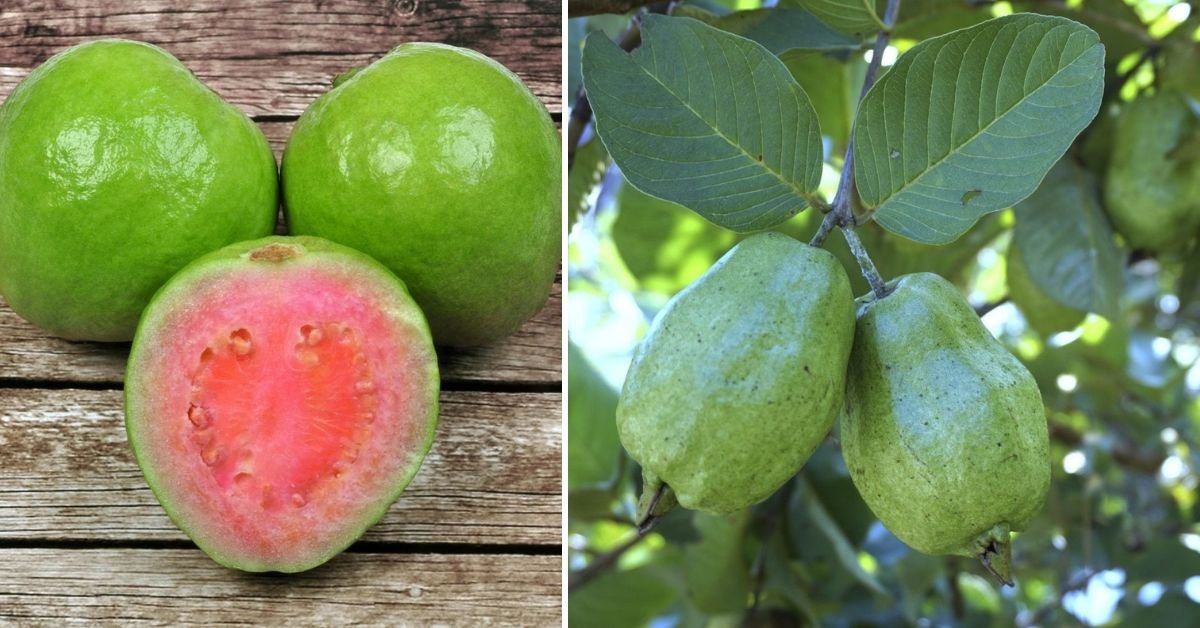
Guava is one of the most rewarding fruit trees for home gardeners. It grows quickly, adapts well to different climates, and produces fragrant, vitamin-rich fruits that are far superior in taste to store-bought ones. Whether you have a backyard, terrace, or even a large container, guava trees can thrive with the right care. This detailed guide will show you how to grow guava like a pro and enjoy healthy trees with fast and abundant harvests at home.
Why Choose Guava for Home Gardening?
Guava is packed with nutrients such as vitamin C, fiber, potassium, and antioxidants. One guava fruit often contains more vitamin C than an orange. Beyond nutrition, guava trees are hardy, relatively low-maintenance, and can start fruiting within 2–3 years, sometimes even earlier with good care.
Another big advantage is versatility. Guava grows well in tropical and subtropical regions and adapts easily to pruning, making it ideal for small gardens and containers.
Understanding the Guava Tree
Guava is a small evergreen tree that typically grows 8–15 feet tall, though it can be kept much shorter with pruning. The tree has smooth bark, oval leaves, and white, fragrant flowers that attract pollinators. Most guava varieties are self-pollinating, so you usually need only one tree to get fruit.
With proper care, a single healthy guava tree can produce dozens of fruits each season.
Selecting the Right Guava Variety
Choosing the right variety plays a major role in success. For home gardens, select varieties known for good flavor, disease resistance, and manageable size. Dwarf or semi-dwarf varieties are especially suitable for pots and small spaces.
If possible, choose a variety adapted to your local climate. Local nursery plants or air-layered saplings from nearby growers often perform better than imported ones.
Growing Guava from Seeds vs. Saplings
Guava can be grown from seeds, but seed-grown plants may take longer to fruit and may not produce fruit identical to the parent tree. Still, growing from seed is inexpensive and enjoyable.
Growing from seeds:
- Collect seeds from a fully ripe guava.
- Wash and dry them in shade.
- Sow seeds half an inch deep in well-draining soil.
- Keep soil moist; germination usually occurs in 2–4 weeks.
For faster and more reliable results, it’s better to plant a nursery-grown sapling or air-layered plant, which can fruit much sooner.
Ideal Soil and Planting Location
Guava thrives in loose, fertile, and well-drained soil. Sandy loam enriched with organic matter is ideal. Avoid heavy clay soils that hold water, as guava roots are sensitive to waterlogging.
Choose a sunny spot where the tree can receive at least 6–8 hours of direct sunlight daily. Good airflow around the plant helps reduce disease problems and improves overall growth.
Planting Your Guava Tree
Dig a hole twice as wide and slightly deeper than the root ball. Mix garden soil with compost or well-rotted manure before planting. Place the sapling carefully in the hole, fill it with soil, and water thoroughly.
If planting in a pot, choose a container at least 18–24 inches wide and deep with proper drainage holes. Use a high-quality potting mix with added compost and sand for drainage.
Watering the Right Way
Young guava plants need regular watering to establish strong roots. Water deeply two to three times a week, depending on weather conditions. Once established, guava trees become fairly drought-tolerant but still benefit from consistent moisture during flowering and fruiting.
Avoid overwatering, as soggy soil can lead to root rot. Mulching around the base helps retain moisture and regulate soil temperature.
Feeding for Fast Growth and Fruiting
Guava is a moderate feeder and responds well to organic nutrition. Apply compost or well-rotted manure every 4–6 weeks during the growing season.
For faster growth:
- Use nitrogen-rich fertilizers during early vegetative growth.
- Switch to phosphorus and potassium-rich feeding once flowering starts to encourage fruit development.
Liquid organic fertilizers, compost tea, or vermicompost solutions applied every 15 days can significantly boost plant health and yield.
Pruning and Training Guava Trees
Pruning is essential for keeping guava trees compact and productive. Light pruning helps improve airflow, sunlight penetration, and fruit quality.
- Remove weak, dead, or crossing branches.
- Shape the tree to maintain a low, open canopy.
- After harvesting, prune lightly to encourage new growth for the next season.
Regular pruning also makes harvesting easier and helps prevent pest and disease problems.
Flowering, Pollination, and Fruit Set
Guava trees usually start flowering within one to two years, depending on how they are grown. Flowers are self-fertile, but bees and insects improve fruit set.
To support flowering:
- Avoid excessive nitrogen once buds appear.
- Ensure the plant receives enough sunlight.
- Maintain even watering during the flowering stage.
Fruits develop quickly after pollination and are usually ready to harvest in 3–5 months.
Common Pests and Diseases
Guava can attract pests such as fruit flies, aphids, and mealybugs. Regular inspection is the best prevention.
- Spray neem oil every 10–15 days as a natural deterrent.
- Remove and destroy affected fruits to prevent pest spread.
Diseases like leaf spot and root rot are often caused by poor drainage or excessive humidity. Proper spacing, pruning, and well-drained soil keep most issues under control.
Harvesting Guava Fruits
Guavas are ready to harvest when they change color slightly and emit a strong, sweet aroma. Fruits can be picked when mature and allowed to ripen indoors or left on the tree until fully ripe for maximum flavor.
Harvest gently to avoid bruising. Regular harvesting encourages the tree to produce more fruit throughout the season.
Final Thoughts
Growing guava at home is both simple and highly rewarding. With sunlight, proper watering, regular feeding, and timely pruning, guava trees grow fast and produce abundant, flavorful fruits year after year. Whether planted in the ground or in containers, guava is an excellent choice for home gardeners seeking a productive, nutritious, and easy-to-manage fruit tree. Start growing your guava today, and enjoy fresh, aromatic fruits straight from your own garden.