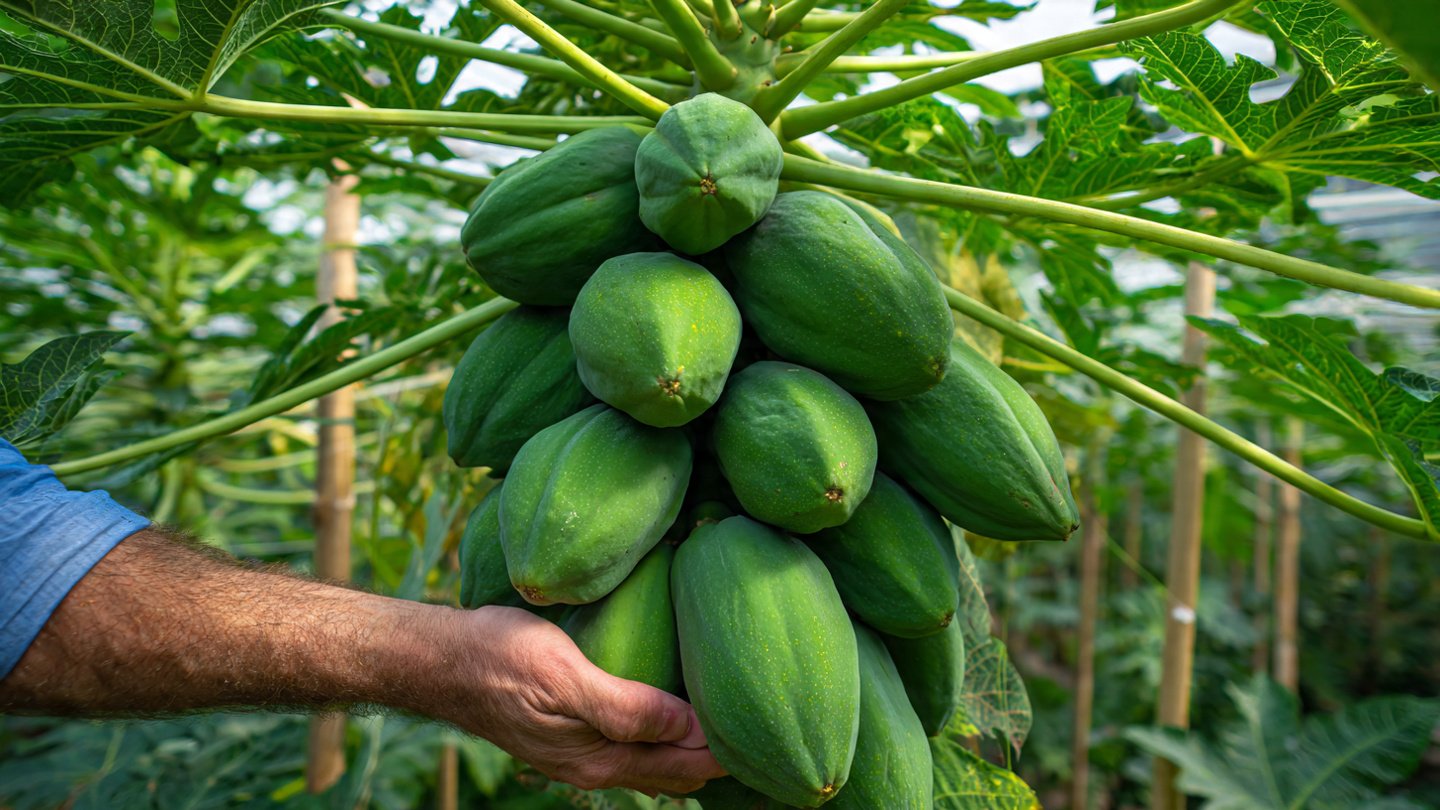
Growing papaya at home is one of the most rewarding gardening experiences you can have. This tropical fruit tree grows quickly, takes up relatively little space, and can start producing delicious fruit within a year under the right conditions. Whether you have a backyard, a terrace, or a sunny open space near your home, papaya trees can thrive with proper care. This comprehensive guide will walk you through everything you need to know to create your own papaya paradise at home.
Why Grow Papaya at Home?
Papaya is not just tasty; it is packed with nutrients such as vitamin C, vitamin A, fiber, and antioxidants. Homegrown papayas are fresher, sweeter, and free from harmful chemicals. Another major advantage is speed—papaya is one of the fastest fruiting plants, often producing fruit in 8–12 months from seed. The plant is also visually attractive, with large tropical leaves that enhance the look of your garden.
Understanding the Papaya Plant
Papaya is a soft-stemmed, fast-growing perennial plant that resembles a small tree. It usually grows between 6 and 12 feet tall, making it suitable for home gardens. Papaya plants can be male, female, or hermaphrodite. Hermaphrodite plants are ideal for home gardeners because they can self-pollinate and produce well-shaped fruits.
Choosing the Right Papaya Variety
Selecting the right variety is crucial for success. Look for varieties that are suitable for your local climate and resistant to common diseases. Dwarf or semi-dwarf varieties are best for home gardens as they are easier to manage and harvest. If possible, source seeds from a fully ripe, sweet papaya grown locally, as these are already adapted to your environment.
Growing Papaya from Seeds
Growing papaya from seed is simple and cost-effective.
- Scoop seeds from a ripe papaya.
- Wash them thoroughly to remove the gelatinous coating.
- Dry the seeds in shade for one to two days.
- Sow the seeds about half an inch deep in seed trays or small pots filled with well-draining soil.
- Keep the soil moist but not waterlogged.
Seeds usually germinate within 2–3 weeks. Once seedlings are 6–8 inches tall, they are ready for transplanting.
Ideal Soil and Location
Papaya plants need loose, fertile, and well-drained soil. Waterlogged conditions can quickly lead to root rot. Mix garden soil with compost and sand to improve drainage and nutrient content.
Choose a location that receives full sunlight for at least 6–8 hours a day. Papaya thrives in warm conditions and does not tolerate frost or strong cold winds, so select a sheltered, sunny spot.
Transplanting Seedlings
When transplanting, dig a hole slightly larger than the root ball. Place the seedling gently into the hole and cover it with soil without pressing too hard. Water immediately after planting to help the roots settle. It is recommended to plant two or three seedlings in one spot and later remove weaker plants once flowering begins, keeping the healthiest one.
Watering Requirements
Papaya plants love moisture but hate standing water. Water regularly, especially during hot weather, but ensure proper drainage. Young plants need more frequent watering, while mature plants can handle short dry spells. Mulching around the base helps retain moisture and keeps the roots cool.
Fertilizing for Fast Growth
Papaya is a heavy feeder. Regular fertilization is essential for rapid growth and abundant fruiting. Apply compost or well-rotted manure every month. You can also use a balanced organic fertilizer rich in nitrogen during the early growth stage and switch to a fertilizer higher in phosphorus and potassium once flowering begins.
Liquid compost tea or diluted vermicompost solution can be applied every two weeks for excellent results.
Flowering and Fruit Formation
Papaya plants usually start flowering within 4–6 months. Once flowers appear, reduce excessive nitrogen and focus on potassium to support fruit development. If you notice only male flowers, you may need to replace the plant, as male plants do not bear fruit.
Healthy plants will set fruit soon after flowering, and fruits grow rapidly, often ready for harvest within 4–5 months after fruit set.
Pest and Disease Management
Common pests include aphids, mites, and fruit flies. Regular inspection is key. Spraying neem oil or soap water every 10–15 days helps keep pests under control naturally.
Diseases like root rot and leaf curl usually occur due to overwatering or poor drainage. Always ensure good airflow, proper spacing, and well-drained soil to prevent problems.
Harvesting Papaya
Papayas are ready to harvest when the skin starts turning yellow from the bottom. You can harvest them slightly green and allow them to ripen indoors, or let them ripen fully on the plant for maximum sweetness. Use a sharp knife to cut the fruit, taking care not to damage the plant.
Regular harvesting encourages the plant to produce more fruit.
Growing Papaya in Containers
If you lack garden space, papaya can also be grown in large containers. Choose a pot that is at least 18–24 inches deep and wide with multiple drainage holes. Container plants require more frequent watering and feeding but can still produce excellent fruit when cared for properly.
Final Thoughts
Creating your own papaya heaven at home is easier than many gardeners think. With plenty of sunlight, well-drained soil, regular feeding, and proper watering, papaya plants reward you with fast growth and generous harvests of sweet, nutritious fruit. Whether grown in the ground or in containers, papaya is a perfect choice for home gardeners looking for quick results and tropical flavor straight from their own space. Start planting today, and enjoy the satisfaction of harvesting fresh papayas right at home.