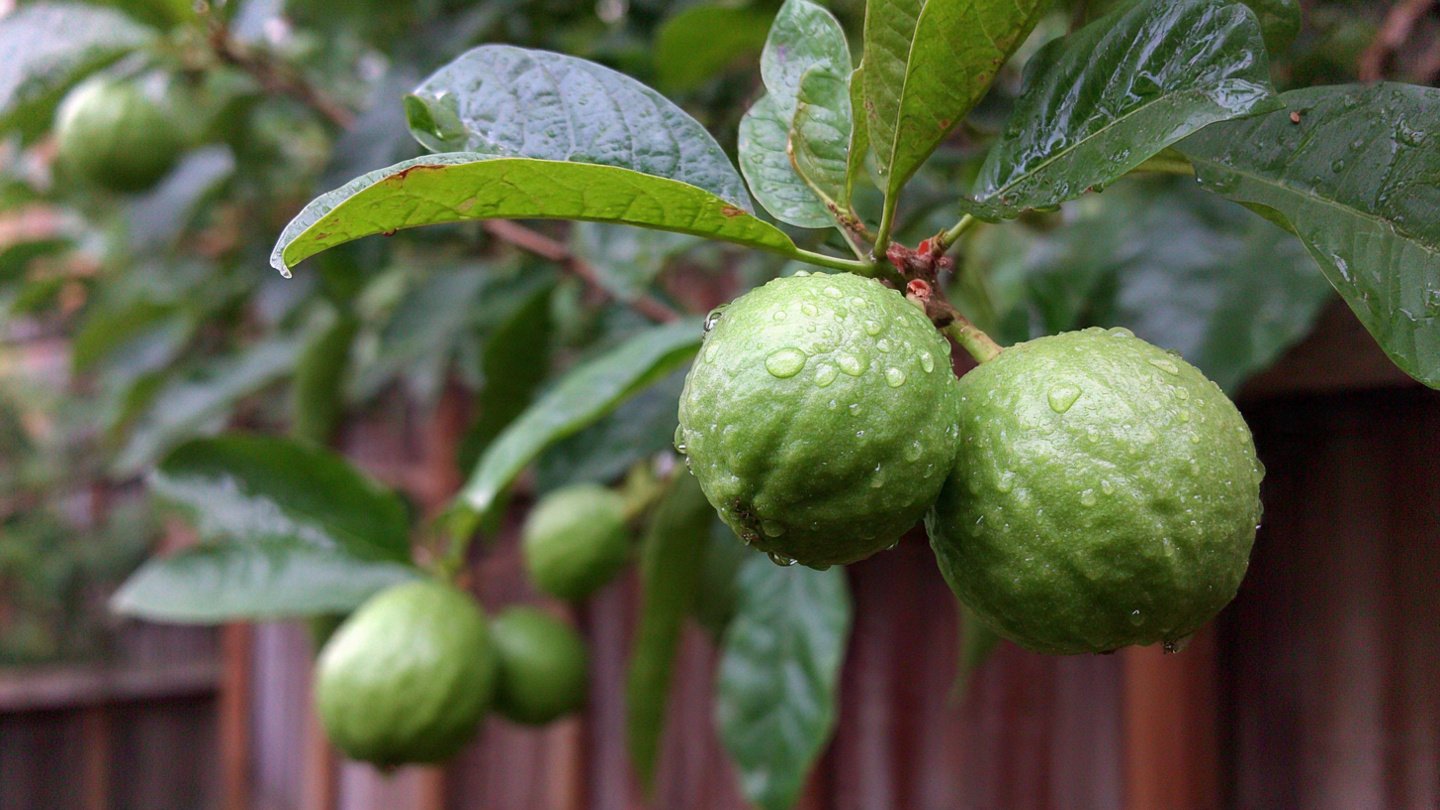
Guava trees are one of the most rewarding fruit plants a home gardener can grow. They are hardy, fast-growing, and generous producers of sweet, aromatic fruits packed with nutrients. Whether you have a backyard garden or a sunny terrace, guava can thrive with surprisingly little effort. This complete guide explains the best way to grow guava trees at home, from planting and care to harvesting healthy, delicious fruits.
Why Choose Guava for Home Gardening?
Guava is loved by gardeners for many reasons. The tree adapts well to different climates, grows quickly, and starts fruiting earlier than many other fruit trees. Guava fruits are rich in vitamin C, fiber, and antioxidants, making them excellent for daily consumption.
Another advantage is versatility. Guava trees can be grown:
- Directly in the ground
- In large pots or containers
- In small home gardens or open terraces
With the right care, a single guava tree can supply fresh fruits for your family for many years.
Choosing the Right Guava Variety
Selecting a suitable variety is the first step toward success. Common guava types include white-fleshed and pink-fleshed varieties. When choosing a plant, consider:
- Climate compatibility: Most guava varieties prefer warm, tropical to subtropical conditions.
- Fruit preference: Pink guavas are sweeter and aromatic, while white guavas are mildly sweet and firm.
- Plant size: Dwarf varieties are ideal for containers and small spaces.
Always buy healthy, disease-free saplings from a reliable nursery for better survival and faster fruiting.
Ideal Climate and Sunlight Requirements
Guava trees love warmth and sunlight. For best growth:
- Provide 6–8 hours of direct sunlight daily
- Ideal temperature range is 20–35°C
- Protect young plants from frost and strong cold winds
Guava tolerates heat well, but extreme cold can damage flowers and young fruits.
Soil Preparation for Healthy Growth
Soil quality plays a crucial role in guava cultivation. The tree prefers:
- Well-draining, fertile soil
- Slightly acidic to neutral pH (5.5–7.5)
Before planting, improve the soil by mixing:
- Garden soil
- Well-rotted compost or vermicompost
- A small amount of sand for drainage
Avoid waterlogged soil, as it can cause root rot and slow growth.
How to Plant a Guava Tree
Planting in the Ground
- Dig a pit about 2 feet deep and wide
- Fill it with prepared soil and organic compost
- Place the sapling carefully, keeping roots intact
- Cover with soil and press gently
- Water thoroughly
Growing Guava in Pots
- Choose a pot at least 18–24 inches wide and deep
- Ensure proper drainage holes
- Use a lightweight but nutrient-rich potting mix
Container-grown guava trees may need repotting every 2–3 years as they grow.
Watering Schedule: Finding the Right Balance
Guava trees do not like excess water, but consistent moisture is important.
- Young plants: Water 2–3 times a week
- Established trees: Water once a week, depending on weather
- Reduce watering during rainy or winter seasons
Overwatering can lead to yellow leaves and fungal diseases, so always check soil moisture before watering.
Feeding and Fertilization
Regular feeding ensures strong growth and better fruiting.
- Apply organic compost or vermicompost every 2–3 months
- Use well-decomposed cow dung manure during the growing season
- Add a balanced organic fertilizer before flowering
Avoid excessive chemical fertilizers, as they promote leafy growth at the expense of fruit production.
Pruning and Training the Guava Tree
Pruning is one of the best ways to keep guava trees productive and manageable.
- Prune lightly during early growth to shape the tree
- Remove dead, weak, or crossing branches
- After harvesting, trim excess growth to encourage new shoots
Guava fruits grow on new growth, so regular pruning directly increases yield.
Flowering and Fruit Development
Guava trees usually start flowering within 2–3 years of planting. Flowers appear in clusters and are self-pollinating, though bees and insects improve fruit set.
To support healthy fruit development:
- Maintain regular watering
- Avoid heavy pruning during flowering
- Protect flowers from pests
Fruits mature in about 4–5 months after flowering.
Common Pests and Diseases
While guava is relatively hardy, some issues may appear:
- Fruit flies: Use organic traps or cover fruits with paper bags
- Aphids and mealybugs: Wash with neem oil spray
- Leaf spots or fungal diseases: Improve air circulation and avoid overhead watering
Regular inspection helps catch problems early and prevents serious damage.
Harvesting Guava Fruits
Guavas are ready to harvest when:
- The skin changes from dark green to light green or yellow
- Fruits give off a strong, sweet aroma
- They feel slightly soft to touch
Harvest gently by hand to avoid damaging branches. Fresh guavas can be eaten raw, juiced, or used in jams and desserts.
Tips for Bigger and Sweeter Guavas
- Ensure full sunlight throughout the day
- Prune regularly to encourage new fruiting branches
- Feed with organic compost before flowering
- Avoid water stress during fruit formation
Consistency in care makes a noticeable difference in fruit size and flavor.
Final Thoughts
Growing guava trees at home is simple, economical, and deeply satisfying. With minimal space and basic care, you can enjoy fresh, chemical-free fruits straight from your garden. From planting the sapling to harvesting fragrant guavas, the journey is rewarding for beginners and experienced gardeners alike.
By following this easy and practical guide, you can successfully grow healthy guava trees and enjoy abundant harvests year after year—right from your own home garden.