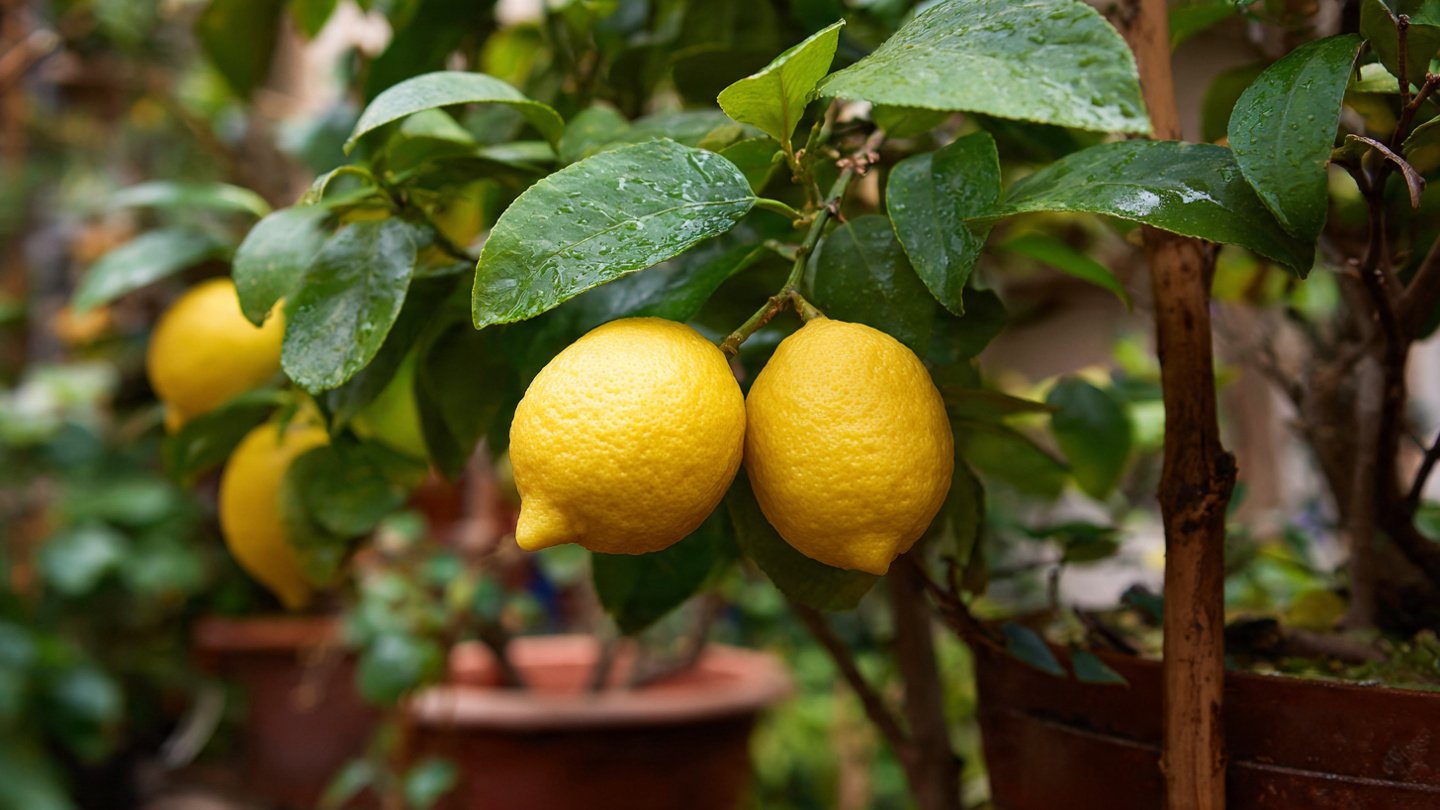
Growing your own lemon tree at home may sound like a task reserved for experienced gardeners, but the truth is far more encouraging. Lemon trees are surprisingly adaptable, rewarding, and well-suited for beginners who are willing to follow a few simple principles. Whether you have a sunny backyard, a small terrace, or even a bright balcony, you can enjoy fresh, fragrant lemons straight from your own plant. This complete guide will walk you step by step through everything you need to know to grow lemon trees successfully at home—even if you’re starting from scratch.
Why Grow Lemon Trees at Home?
Lemon trees are more than just fruit producers. They add beauty, fragrance, and greenery to your living space. The glossy leaves, delicate white blossoms, and vibrant yellow fruits make them an attractive ornamental plant as well. On top of that, homegrown lemons are free from chemicals, fresher than store-bought ones, and incredibly satisfying to harvest.
Another major advantage is versatility. Lemon trees can be grown directly in the ground or in containers, making them suitable for a wide range of climates and living situations.
Choosing the Right Lemon Variety
Selecting the right lemon variety is the foundation of success. Some varieties grow better in containers, while others thrive outdoors.
For beginners, compact and productive varieties are ideal. Dwarf lemon trees are especially popular because they stay manageable in size while still producing abundant fruit. These varieties adapt well to pots and are easier to care for if space is limited.
Before purchasing, ensure the plant is healthy, with green leaves and no signs of pests or disease. Grafted plants are often a better choice than seed-grown trees because they fruit faster and more reliably.
Ideal Location and Sunlight Requirements
Lemon trees love sunlight. To grow and fruit well, they need at least 6 to 8 hours of direct sunlight every day. Choose the sunniest spot available in your home or garden.
If you are growing your lemon tree indoors or on a balcony, place it near a south-facing window or in an open area where sunlight is uninterrupted. Outdoors, select a location protected from strong winds but exposed to ample sun.
Without sufficient light, lemon trees may grow slowly, drop flowers, or fail to produce fruit.
Soil and Pot Selection
The right soil ensures strong roots and healthy growth. Lemon trees prefer well-draining, slightly acidic soil. Poor drainage is one of the most common reasons lemon trees fail, as waterlogged roots can lead to root rot.
For ground planting, loosen the soil and mix in compost or organic matter to improve drainage and fertility. For container growing, use a high-quality potting mix designed for citrus or fruit plants.
Choose a pot with drainage holes at the bottom. As the tree grows, you may need to upgrade to a larger container to give the roots enough space to expand.
Planting Your Lemon Tree
When planting, dig a hole twice as wide as the root ball and just as deep. Place the tree so that the top of the root ball sits slightly above ground level. This helps prevent water from pooling around the trunk.
Gently backfill with soil, press lightly to remove air pockets, and water thoroughly. Avoid burying the trunk too deeply, as this can cause disease and slow growth.
Watering the Right Way
Proper watering is crucial, especially for beginners. Lemon trees prefer consistently moist soil, but they do not tolerate soggy conditions.
Water deeply when the top layer of soil feels dry to the touch. During hot weather or the growing season, you may need to water more frequently. In cooler months, reduce watering to avoid over-saturation.
A good rule of thumb is to water slowly and deeply, allowing excess water to drain out completely.
Feeding and Fertilizing
Lemon trees are heavy feeders and require regular nutrition to grow and fruit well. Use a balanced fertilizer designed for citrus trees, rich in nitrogen, phosphorus, and potassium.
Feed your lemon tree every 4 to 6 weeks during the growing season. Organic options like compost, vermicompost, or well-rotted manure can also be added to the soil to improve long-term fertility.
Signs of nutrient deficiency include yellowing leaves, slow growth, and poor fruit production. Adjust feeding as needed, but avoid over-fertilizing, which can damage roots.
Pruning and Shaping
Pruning helps maintain the shape of your lemon tree, improves air circulation, and encourages healthy growth. Remove dead, damaged, or crossing branches regularly.
Light pruning can be done throughout the year, while more extensive pruning is best done after harvesting. Avoid excessive cutting, especially for young trees, as this can delay fruiting.
A well-pruned tree is easier to manage and more productive in the long run.
Flowering, Pollination, and Fruit Development
Lemon trees usually flower multiple times a year under good conditions. The fragrant white flowers eventually develop into fruit if pollination is successful.
Outdoor trees are naturally pollinated by insects. Indoor or balcony-grown trees may benefit from hand pollination. Gently transferring pollen from flower to flower using a soft brush can improve fruit set.
Once pollinated, lemons take several months to mature. Patience is key—healthy trees reward consistent care with generous harvests.
Common Problems and How to Fix Them
Beginners often worry when leaves turn yellow or flowers drop. In many cases, these issues are linked to overwatering, nutrient imbalance, or insufficient sunlight.
Pests such as aphids, mealybugs, and spider mites can occasionally appear. Regular inspection and simple organic treatments like neem oil or soap sprays usually keep them under control.
Healthy lemon trees are resilient, and most problems can be corrected with timely care.
Harvesting and Enjoying Your Lemons
Lemons are ready to harvest when they reach full size and develop a rich yellow color. Gently twist or cut the fruit from the branch rather than pulling it off.
Homegrown lemons are incredibly versatile—use them in cooking, drinks, cleaning, or simply enjoy their fresh aroma and flavor. The joy of picking your own lemons is one of the most rewarding aspects of growing a lemon tree.
Final Thoughts
Growing a lemon tree at home is a fulfilling experience that combines beauty, fragrance, and practicality. With the right variety, enough sunlight, proper watering, and regular feeding, even beginners can succeed.
Start small, observe your plant closely, and adjust your care as needed. Over time, your lemon tree will grow stronger, healthier, and more productive—providing you with fresh citrus and the satisfaction of nurturing life right at home.