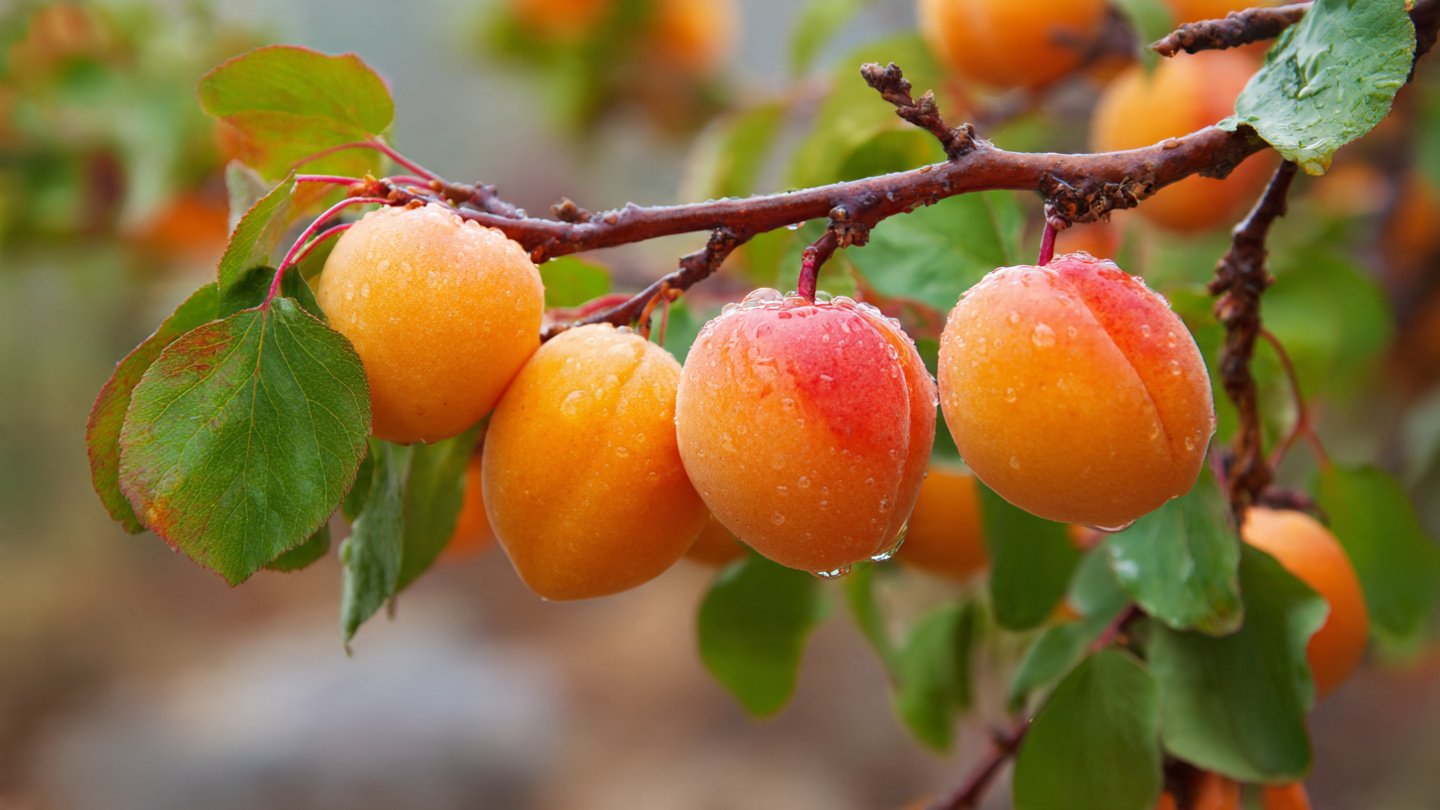
Apricots are beloved for their sweet, juicy fruits and delicate aroma. While traditionally grown in orchards or garden beds, apricot trees can thrive in containers, making them accessible to urban gardeners, balcony growers, and anyone with limited outdoor space. Growing apricot trees in containers allows for mobility, soil control, and easier maintenance, all while producing fresh, homegrown fruit. This guide provides easy, actionable hacks to help both beginners and experienced gardeners cultivate healthy, productive apricot trees in containers.
Why Grow Apricot Trees in Containers?
Container-grown apricot trees offer several advantages over traditional planting methods:
- Space-Saving: Ideal for small patios, terraces, or balconies where ground planting isn’t feasible.
- Mobility: Containers can be moved to follow sunlight, avoid harsh winds, or be brought indoors during extreme weather.
- Soil Control: Allows precise management of soil type, drainage, and fertility.
- Pest and Disease Management: Reduced risk of soil-borne diseases and easier pest monitoring.
- Extended Growing Options: Containers allow gardeners in cooler climates to grow apricots successfully with seasonal adjustments.
With these benefits, container gardening makes apricot cultivation more practical and rewarding.
Choosing the Right Apricot Variety
Not all apricot trees are suitable for container growing. Selecting dwarf or semi-dwarf varieties ensures manageable growth and higher productivity in confined spaces:
- Dwarf or Semi-Dwarf Varieties: Varieties like Goldcot, Katy, or Tomcot remain compact, making them ideal for pots.
- Self-Pollinating Trees: Some apricots are self-fertile, reducing the need for multiple trees for fruit production.
- Cold-Hardy Options: Select varieties suited to your climate, especially if your area experiences frost or low temperatures.
Choosing the right variety is a key factor in successful container apricot cultivation.
Selecting the Perfect Container
The container is one of the most important considerations for growing apricot trees:
- Size: Use a pot at least 20–25 gallons (75–95 liters) for young trees. Larger trees may require 30–40 gallons. A bigger container supports root development and reduces stress.
- Material: Plastic, ceramic, or fiberglass pots are ideal. Plastic is lightweight and portable, while ceramic or fiberglass provides stability and insulation.
- Drainage: Ensure multiple drainage holes to prevent waterlogging, which can lead to root rot.
A properly sized and well-draining container sets the foundation for a healthy, productive apricot tree.
Preparing the Soil
Apricot trees thrive in fertile, well-draining soil. A good container soil mix includes:
- 50% high-quality garden soil or potting mix
- 30% compost or well-rotted manure for nutrients
- 20% perlite, sand, or coco peat for aeration and drainage
This mix ensures strong root growth, adequate moisture retention, and nutrient availability for vigorous tree development.
Planting Apricot Trees in Containers
Planting apricot trees correctly is crucial for healthy growth:
- Remove the Tree from Its Nursery Pot: Gently loosen the roots without breaking them.
- Position in Container: Place the tree slightly higher than the container rim to allow space for watering and mulch.
- Backfill with Soil: Fill around the root ball with the prepared soil, pressing lightly to remove air pockets.
- Water Thoroughly: Water immediately after planting to settle the soil and reduce transplant shock.
For multiple trees, leave enough space between containers to allow airflow and sunlight exposure.
Sunlight and Placement
Apricot trees need full sun for optimal flowering and fruiting:
- Place the container in a location that receives 6–8 hours of direct sunlight daily.
- Avoid locations with strong winds, which may damage branches or flowers.
- Use movable pots to follow the sun, particularly in urban or balcony gardens.
Adequate sunlight is essential for flower formation, fruit set, and overall plant health.
Watering Tips for Container Apricots
Container-grown apricot trees dry out faster than those planted in the ground, so proper watering is critical:
- Frequency: Water deeply 2–3 times per week during warm seasons, reducing frequency in winter.
- Soil Moisture: Keep the soil evenly moist but not soggy; apricot roots are sensitive to overwatering.
- Mulching: Apply a layer of organic mulch around the base to retain moisture and regulate soil temperature.
Consistent watering promotes strong root systems, vigorous growth, and abundant fruiting.
Fertilization Hacks
Nutrient management is vital for container-grown apricot trees:
- Initial Fertilization: Mix slow-release fertilizer into the soil at planting for steady nutrient supply.
- Ongoing Fertilization: Feed with balanced liquid fertilizer every 4–6 weeks during the growing season.
- Phosphorus and Potassium: Support flower and fruit development, while moderate nitrogen encourages healthy foliage without excessive vegetative growth.
Proper fertilization ensures strong branches, lush foliage, and high-quality fruit.
Pruning and Maintenance
Pruning improves tree structure, encourages airflow, and enhances fruit production:
- Formative Pruning: Shape young trees to develop a strong framework of branches.
- Maintenance Pruning: Remove dead, damaged, or crowded branches to prevent disease and improve sunlight penetration.
- Timing: Prune in late winter or early spring before new growth begins.
Regular pruning keeps container apricot trees healthy and productive while maintaining manageable size.
Pollination Tips
Most apricot varieties are self-pollinating, but some benefit from cross-pollination:
- Plant two compatible varieties in nearby containers if needed.
- Encourage pollinators like bees by planting flowering plants nearby.
- In indoor or urban settings, gently hand-pollinate flowers with a small brush to boost fruit set.
Proper pollination improves fruit quantity and quality.
Pest and Disease Management
Container apricots are less prone to pests and diseases than ground-grown trees but still require vigilance:
- Common Pests: Aphids, scale insects, and spider mites may appear. Treat with neem oil or insecticidal soap.
- Fungal Diseases: Root rot can occur from overwatering; powdery mildew can affect leaves in humid conditions. Ensure good drainage and airflow.
- Preventive Care: Inspect trees regularly and remove affected leaves or branches promptly.
Early intervention helps maintain healthy, productive trees.
Harvesting Apricots
Apricots are ready to harvest when:
- The fruits develop a full, rich color and are slightly soft to touch.
- The fruit separates easily from the stem.
- Harvesting at the right stage ensures maximum sweetness and flavor.
Container apricot trees can produce multiple flushes of fruit with proper care, giving gardeners a rewarding harvest.
Advantages of Growing Apricot Trees in Containers
- Flexibility: Move trees to ideal locations for sun, wind protection, or winter protection.
- Space Efficiency: Perfect for urban gardening or small yards.
- Control: Manage soil quality, moisture, and nutrition precisely.
- Reduced Disease Risk: Less exposure to soil-borne pests and pathogens.
- Aesthetic Appeal: Adds a beautiful, productive focal point to patios, terraces, or balconies.
Container apricots combine practicality, beauty, and delicious fruit production.
Conclusion
Growing apricot trees in containers is a practical, rewarding way to enjoy fresh, homegrown fruits even in limited spaces. By selecting dwarf or semi-dwarf varieties, choosing a large and well-draining container, providing nutrient-rich soil, and maintaining consistent care, gardeners can cultivate healthy, productive apricot trees year after year. Proper sunlight, watering, fertilization, pruning, and pollination further enhance fruit quality and yield.
With these easy hacks, even beginner gardeners can experience the joy of harvesting sweet, juicy apricots at home. Container gardening makes apricot cultivation accessible, efficient, and enjoyable—transforming balconies, patios, or small yards into productive, fruit-bearing gardens.