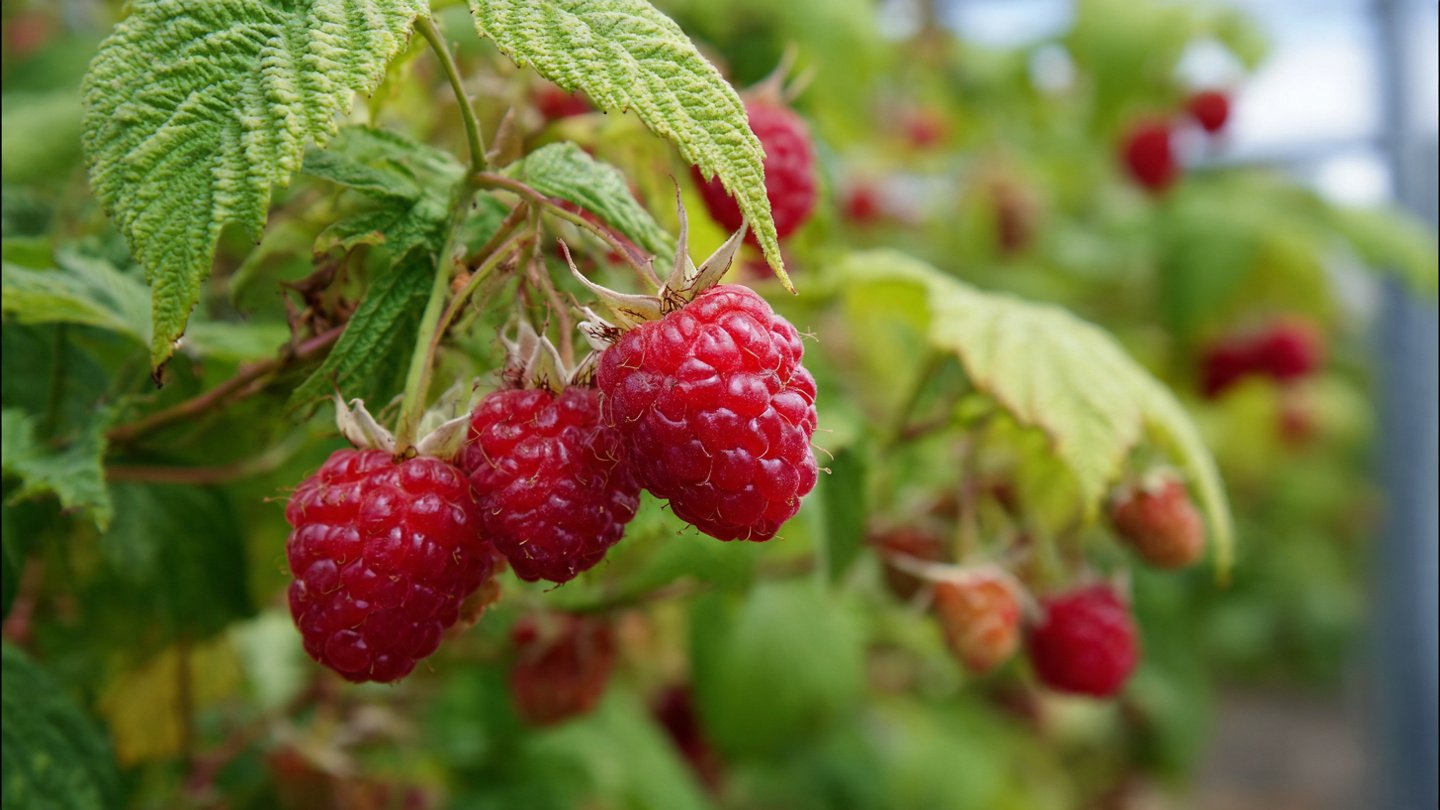
Raspberries (Rubus idaeus) are a favorite fruit for home gardeners due to their sweet, juicy berries and their versatility in jams, desserts, and fresh consumption. However, the secret to a bountiful raspberry harvest lies not just in planting but also in proper cane management. Pruning raspberry canes is essential for healthy plants, vigorous growth, and maximizing fruit yield. Done correctly, pruning encourages air circulation, prevents disease, and ensures the plant focuses its energy on producing abundant, high-quality fruit. This comprehensive guide will walk you through effective strategies for pruning raspberry canes to enhance fruit yield.
Step 1: Understanding Raspberry Plant Types
Raspberry pruning strategies depend largely on the type of raspberry you grow. There are three main types:
- Summer-bearing raspberries: Produce fruit on two-year-old canes (floricanes). New canes (primocanes) grow the first year and fruit the next.
- Ever-bearing (or fall-bearing) raspberries: Produce fruit on first-year canes in the fall and may also produce on second-year canes the following summer.
- Black raspberries: Produce fruit on second-year canes but have a distinct cane structure and slightly different pruning requirements.
Understanding the type of raspberry in your garden is essential, as pruning methods vary to maximize yield and maintain plant health.
Step 2: The Importance of Pruning
Pruning raspberry canes offers multiple benefits:
- Encourages strong growth: Removing weak or damaged canes allows the plant to invest energy in the healthiest stems.
- Improves air circulation: Proper spacing reduces the risk of fungal diseases such as powdery mildew and botrytis.
- Enhances sunlight penetration: Sunlight reaches the inner canes, improving berry ripening and sweetness.
- Increases fruit yield: Pruning redirects nutrients from old, unproductive canes to young, fruiting canes.
- Facilitates harvesting: Well-spaced canes make picking berries easier and more efficient.
Neglecting pruning can lead to overgrown, tangled canes with smaller, lower-quality fruit.
Step 3: Timing Your Pruning
The timing of pruning varies depending on the type of raspberry:
- Summer-bearing raspberries: Prune immediately after harvest in mid to late summer. Removing old fruiting canes prevents disease and prepares the plant for new growth.
- Ever-bearing raspberries: Prune in late winter or early spring if you want a single summer crop, or selectively prune in fall for a double crop (fall and summer).
- Black raspberries: Prune in late winter while the plants are dormant. Remove old fruiting canes and thin remaining canes to encourage new growth.
Pruning at the correct time ensures minimal stress to the plant and maximizes fruiting potential.
Step 4: Tools for Pruning
Having the right tools makes pruning safer and more effective:
- Sharp hand pruners: For precise cuts on small or medium canes.
- Loppers: For thicker, older canes that are difficult to cut with hand pruners.
- Gloves: Protect hands from thorns and scratches.
- Disinfectant: Clean tools before and after pruning to prevent the spread of disease.
Sharp, clean tools prevent damage to the plant and reduce the risk of infection.
Step 5: Pruning Techniques for Summer-Bearing Raspberries
Summer-bearing raspberries require careful pruning of their two-year-old canes:
- Remove old canes: Cut all canes that fruited last year down to ground level. These are typically darker, woody canes.
- Thin new canes: Retain 4–6 of the strongest primocanes per linear foot of row. Remove weak, spindly, or damaged canes.
- Tip pruning: Trim the tips of primocanes to encourage branching and more lateral buds, which will produce fruit next year.
- Maintain spacing: Space remaining canes 6–8 inches apart to ensure adequate airflow and sunlight penetration.
Consistent pruning after harvest sets the stage for healthy, productive canes next season.
Step 6: Pruning Ever-Bearing Raspberries
Ever-bearing raspberries offer flexibility in pruning depending on whether you want one or two harvests:
- Single summer crop: Cut all canes to the ground in late winter. This removes old canes and focuses energy on new growth. You will harvest in late summer on these new canes.
- Double crop: After the fall harvest, prune only the top portion of canes that fruited. Leave the lower sections to produce a summer crop the following year. Thin out weaker canes to maintain plant health and improve airflow.
Strategic pruning for ever-bearing varieties allows you to manage yield according to your culinary and garden preferences.
Step 7: Pruning Black Raspberries
Black raspberries fruit on second-year canes, but their cane structure requires unique attention:
- Remove spent floricanes: Cut old fruiting canes at the base after harvest.
- Thin suckers: Select the strongest new canes and remove excess suckers to maintain 4–6 canes per plant.
- Tip pruning: Trim tips of new canes slightly to encourage lateral branching.
Properly pruned black raspberries remain vigorous, disease-free, and productive year after year.
Step 8: Maintaining Cane Health
Pruning is also an opportunity to improve plant health:
- Remove damaged or diseased canes: Cut out any canes showing signs of mold, mildew, or insect damage.
- Clean debris: Clear fallen leaves and old plant material from the base to reduce disease risk.
- Monitor pests: Check for raspberry beetles, aphids, or spider mites and treat early.
Maintaining cane health ensures that energy is focused on fruit production rather than fighting disease.
Step 9: Training and Supporting Canes
Supporting raspberry canes enhances fruit yield and makes harvesting easier:
- Trellises: Vertical supports reduce cane breakage and keep fruit off the ground.
- Horizontal wires: Train canes to grow along wires to maintain spacing and airflow.
- Tie loosely: Use soft ties to avoid damaging canes as they grow.
Well-supported plants grow more vigorously, bear more fruit, and remain easier to manage.
Step 10: Fertilization After Pruning
Pruning removes old, unproductive tissue, and fertilization supports new growth:
- Nitrogen: Promotes strong vegetative growth on new canes.
- Phosphorus: Supports root development and flower formation.
- Potassium: Enhances fruiting and berry quality.
Apply a balanced fertilizer immediately after pruning and again during early spring to maximize growth and yield.
Step 11: Common Pruning Mistakes to Avoid
Even experienced gardeners can make mistakes that reduce fruit yield:
- Pruning too late: Canes left unpruned after dormancy may grow poorly.
- Over-thinning: Removing too many canes reduces potential yield.
- Under-thinning: Crowded canes hinder airflow, increasing disease risk and reducing berry size.
- Ignoring damaged canes: Diseased or broken canes divert energy from productive growth.
Avoiding these mistakes ensures your raspberry patch remains productive and healthy.
Step 12: Additional Tips for Enhancing Fruit Yield
- Regular watering: Keep soil consistently moist, especially during flowering and fruit set.
- Mulching: Apply straw or compost around the base to conserve moisture and regulate temperature.
- Rotate rows or varieties: Prevent soil-borne diseases by avoiding planting raspberries in the same spot repeatedly.
- Monitor light: Raspberries need full sun for maximum yield; prune to allow sunlight to penetrate.
Combining pruning with proper care maximizes both the quantity and quality of berries.
Step 13: Harvesting and Beyond
After effective pruning and care, raspberry plants reward gardeners with abundant fruit:
- Harvest timing: Pick berries when fully colored, soft, and easily detachable.
- Frequency: Harvest every 2–3 days during peak season to avoid overripe fruit.
- Post-harvest care: Continue pruning and feeding to maintain plant vigor for the next season.
Consistent pruning and care create a cycle of healthy growth and high yields year after year.
Conclusion
Pruning raspberry canes is more than a routine task—it is an essential strategy for enhancing fruit yield, improving plant health, and ensuring a long-lasting, productive raspberry patch. By understanding your raspberry variety, pruning at the right time, thinning and tip-pruning canes, and maintaining proper support, you can maximize both the quantity and quality of your harvest.
Whether you grow summer-bearing, ever-bearing, or black raspberries, effective pruning practices combined with proper watering, fertilization, and disease management ensure vigorous plants and abundant berries. With patience and consistent care, your raspberry canes can thrive, producing sweet, juicy fruit season after season, and turning your garden into a haven for fresh, homegrown raspberries.