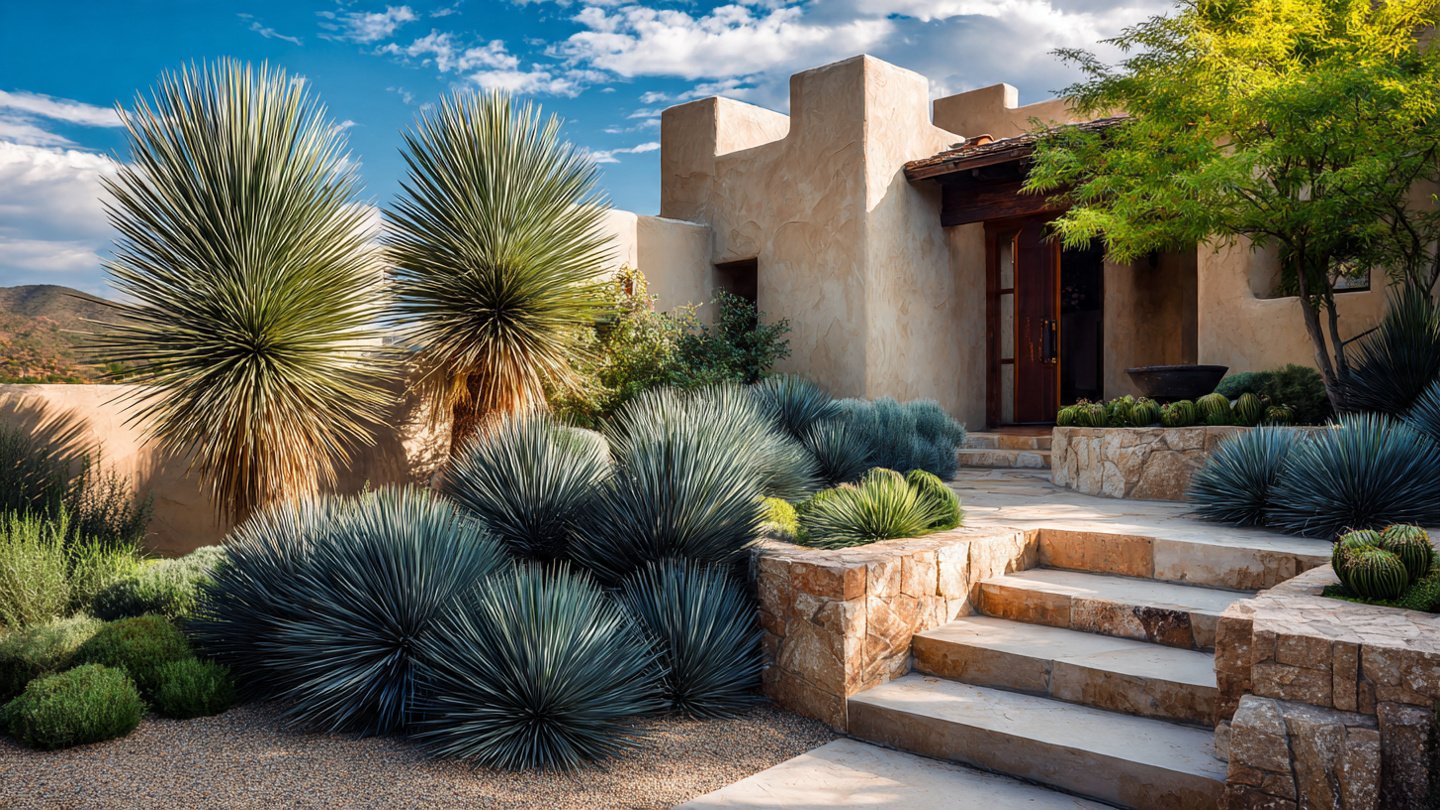
Yucca plants are striking, low-maintenance perennials that bring bold, architectural flair to gardens and landscapes. With their spiky leaves, tall flower stalks, and sculptural forms, yuccas create dramatic focal points, adding texture and structure to outdoor spaces. Whether used as a centerpiece, a border plant, or part of a xeriscape, yuccas thrive in diverse climates and are surprisingly easy to grow with the right techniques.
This comprehensive guide will walk you through the best methods for cultivating yucca plants, from selection and planting to care, flowering, and landscape design strategies, ensuring your garden achieves a sophisticated, architectural aesthetic.
Why Choose Yucca as a Landscape Feature?
Yucca plants are more than just visually striking—they offer several benefits for gardeners and landscapers:
- Architectural Appeal: Their bold form and upright growth provide natural structure and height variation.
- Low Maintenance: Yuccas are drought-tolerant and resilient, requiring minimal watering and pruning.
- Versatility: They can thrive in garden beds, borders, rock gardens, and container plantings.
- Wildlife Attraction: Yucca flowers attract pollinators such as bees and hummingbirds.
- Longevity: Once established, yuccas can live for decades, creating a lasting landscape feature.
With their striking appearance and hardy nature, yuccas are perfect for gardeners seeking impact with minimal upkeep.
Step 1: Selecting the Right Yucca Variety
There are over 40 species of yucca, each with unique characteristics. Choosing the right variety depends on your climate, garden size, and desired aesthetic. Popular options include:
- Yucca filamentosa (Adam’s Needle): A hardy, clumping variety with long, narrow leaves and tall white flower spikes.
- Yucca gloriosa (Spanish Dagger): Elegant and taller, ideal as a dramatic centerpiece in larger landscapes.
- Yucca rostrata (Beaked Yucca): Compact with a globe-like crown and stiff, spiky leaves—perfect for architectural interest.
- Yucca elephantipes (Spineless Yucca): Smooth, tree-like yucca ideal for subtropical and container planting.
Selecting the appropriate variety ensures the yucca complements your landscape and thrives in your local climate.
Step 2: Choosing the Ideal Location
Yuccas perform best in areas with well-drained soil and full sun. Key considerations include:
- Sunlight: Most yuccas need at least 6–8 hours of direct sunlight per day to develop strong leaves and flower stalks.
- Soil: Sandy or gravelly soil with excellent drainage prevents root rot. Amend heavy clay soil with sand or grit for improved drainage.
- Space: Give yuccas ample room to spread their leaves and flower spikes. Avoid overcrowding with other plants.
Proper site selection maximizes growth, flowering, and overall visual impact.
Step 3: Planting Yucca
Planting yucca correctly lays the foundation for healthy growth and dramatic architectural presence:
- Prepare the Soil: Dig a hole twice as wide as the root ball and slightly deeper than the plant’s base.
- Amend Soil: Mix native soil with compost or coarse sand for improved drainage and nutrition.
- Planting Depth: Place the yucca at the same depth it was growing in its nursery container. Avoid burying the crown, which can cause rot.
- Backfill and Water: Fill the hole with amended soil, lightly firming around the roots. Water thoroughly to settle the soil.
Planting correctly ensures long-term health, strong roots, and an upright architectural form.
Step 4: Watering and Drought Management
Yucca plants are drought-tolerant, but proper watering during establishment ensures vigorous growth:
- Establishment Phase: Water regularly for the first 4–6 weeks after planting to help roots develop.
- Mature Plants: Once established, water sparingly. Yuccas survive extended dry periods, making them ideal for xeriscaping.
- Avoid Overwatering: Excess moisture can lead to root rot and fungal diseases. Allow soil to dry completely between watering.
By understanding yucca’s water needs, you maintain healthy, sculptural plants without excessive maintenance.
Step 5: Fertilizing Yucca
Fertilization encourages robust growth and flowering:
- Use a slow-release, balanced fertilizer in spring to support leaf and root development.
- For nutrient-poor soils, supplement with compost or organic amendments annually.
- Avoid excessive nitrogen, which encourages leafy growth but reduces flowering potential.
Fertilized properly, yuccas produce stronger leaves, taller flower stalks, and more striking architectural appeal.
Step 6: Pruning and Maintenance
Yuccas require minimal pruning, but occasional care improves appearance and longevity:
- Remove Dead Leaves: Trim brown or damaged leaves at the base to maintain a tidy form.
- Flower Stalks: Cut spent flower stalks after blooming to redirect energy back into the plant.
- Division: Older clumping species like Yucca filamentosa can be divided every few years to rejuvenate the plant and create additional landscape features.
Regular maintenance keeps the yucca looking clean, structured, and visually impactful.
Step 7: Encouraging Flowering
Yuccas are renowned for their dramatic flower spikes, which enhance their architectural presence:
- Maturity: Most species flower after 3–5 years. Patience is essential.
- Sunlight: Full sun exposure stimulates flowering and robust growth.
- Pollination: Flowers attract bees and hummingbirds, ensuring seed set for propagation.
Flowering adds vertical height, elegance, and seasonal interest to your landscape.
Step 8: Propagating Yucca
Yuccas can be propagated to expand your landscape or create new focal points:
- Offsets: Remove small offsets or “pups” growing at the base and plant in new locations.
- Stem Cuttings: Mature stems can be cut, dried for a few days, and planted in well-draining soil.
- Seeds: Collect seeds from flowers and germinate in sandy soil. This method is slower but allows for more varieties.
Propagation lets you multiply yuccas to create repeated architectural interest throughout your garden.
Step 9: Using Yucca as a Landscape Feature
Yuccas provide flexibility for creative landscaping:
- Centerpiece: Place a large yucca in the center of a garden bed for dramatic focal impact.
- Borders: Use smaller or mid-sized varieties along pathways or borders for structured form.
- Xeriscapes: Combine yuccas with succulents, cacti, and rocks for low-maintenance, water-efficient gardens.
- Containers: Tall species like Yucca elephantipes thrive in large containers on patios or decks, providing vertical structure.
Strategically positioning yuccas enhances their architectural effect and adds visual drama to any landscape.
Benefits of Cultivating Yucca
- Low Maintenance: Minimal watering and pruning needs.
- Drought-Tolerant: Ideal for arid or water-conscious gardens.
- Architectural Statement: Adds structure, height, and texture to any landscape.
- Wildlife-Friendly: Flowers attract pollinators for a healthy garden ecosystem.
- Longevity: Once established, yuccas can remain in the landscape for decades with minimal intervention.
With these advantages, yuccas are a smart investment for gardeners seeking beauty and sustainability.
Final Thoughts
Cultivating yucca as an architectural feature transforms ordinary landscapes into bold, striking environments. By choosing the right variety, planting in well-draining soil, providing proper sunlight and water, and applying minimal maintenance techniques, yuccas thrive and make a lasting impression.
Their dramatic foliage, vertical growth, and magnificent flower spikes make them perfect for focal points, borders, and container displays. Low-maintenance yet visually powerful, yuccas are an excellent choice for gardeners who want stunning, sculptural elements without the burden of high-maintenance plants.
By following these proven methods, you can create a landscape where yucca plants serve as enduring symbols of elegance, structure, and natural beauty—making your garden not just a collection of plants, but a visually captivating experience.