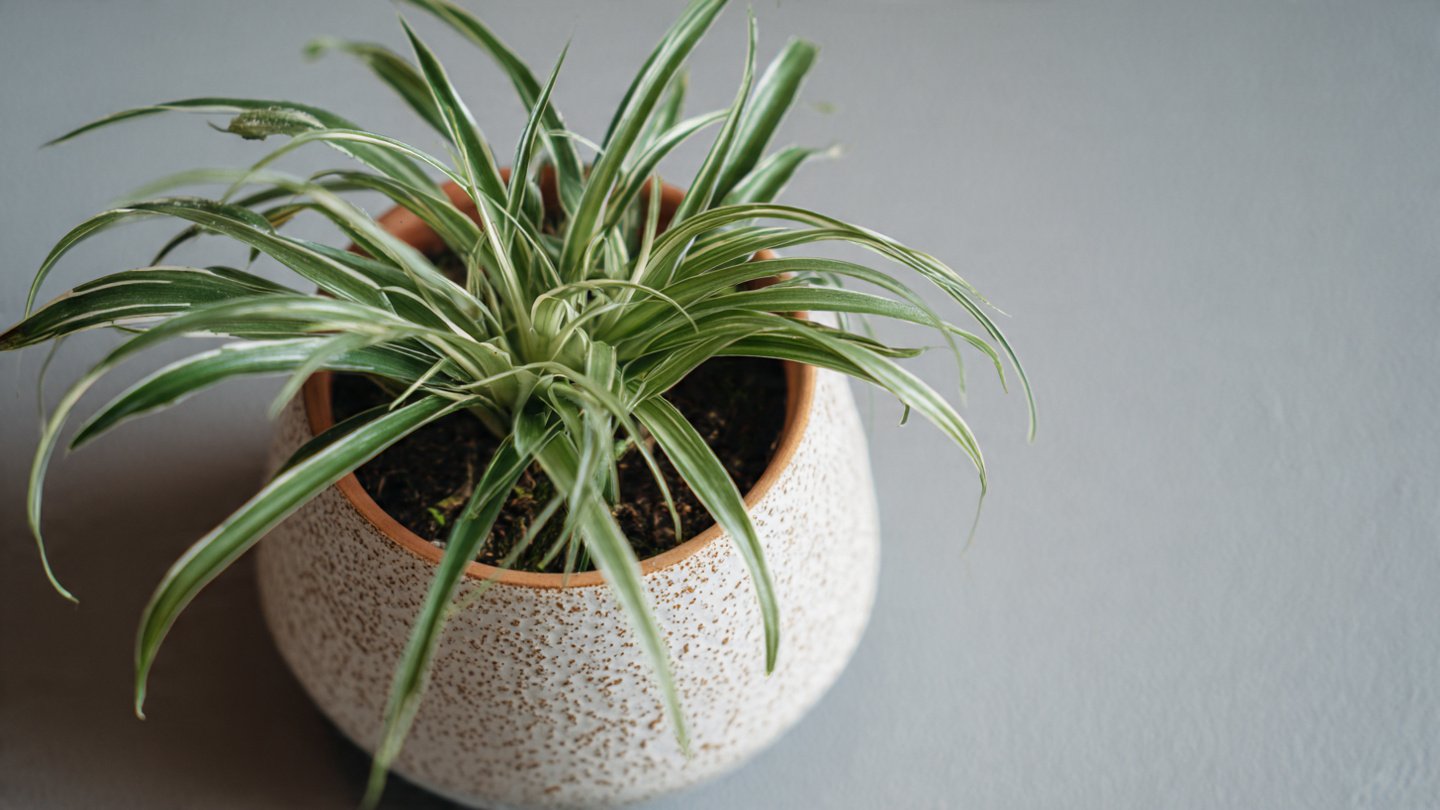
Spider plants (Chlorophytum comosum) are among the most popular and resilient houseplants worldwide. Known for their arching green leaves with white stripes and their ability to produce “spiderettes” or baby plants, spider plants are perfect for both beginners and experienced gardeners. Propagating these plants at home is simple, cost-effective, and rewarding, allowing you to expand your indoor garden or share plants with friends and family.
This comprehensive guide will walk you through simple methods for cultivating healthy spider plant offspring at home, covering propagation techniques, care tips, and troubleshooting common problems to ensure strong, thriving plants.
Why Grow Spider Plant Offspring?
Spider plants are more than just decorative greenery—they offer several benefits that make propagating their offspring worthwhile:
- Air Purification: Spider plants remove toxins like formaldehyde and xylene from indoor air.
- Low Maintenance: They thrive with minimal care, making them ideal for beginners.
- Decorative Appeal: Their cascading foliage and baby plants add charm to shelves, hanging baskets, and tables.
- Cost-Effective Gardening: Propagating spider plants allows you to grow multiple plants from one parent.
- Gift-Friendly: Spider plant offspring make excellent gifts for friends, neighbors, and family.
Propagating spider plants is a simple way to enhance your home environment and expand your green space.
Step 1: Identifying Healthy Parent Plants
The first step in propagating spider plants is selecting a strong, healthy parent. Look for these characteristics:
- Vibrant green leaves with healthy white stripes.
- Multiple spiderettes (baby plants) emerging from stolons or runners.
- No signs of disease, pests, or nutrient deficiencies.
A healthy parent plant produces robust offspring that will root easily and grow into thriving new plants.
Step 2: Understanding Spider Plant Propagation
Spider plants produce baby plants, also called spiderettes, that hang from long runners. These can be propagated in two primary ways:
- Water Propagation: Rooting spiderettes in water before planting in soil.
- Soil Propagation: Planting spiderettes directly into soil to develop roots.
Both methods are simple, effective, and can produce healthy plants when done properly.
Step 3: Propagating Spider Plant Offspring in Water
Water propagation is a great method for beginners and allows you to monitor root development:
- Choose a Spiderette: Select a healthy baby plant with a small cluster of leaves.
- Prepare the Runner: Cut the runner near the base of the parent plant using sterilized scissors.
- Place in Water: Submerge only the base of the spiderette in a container of clean water. Avoid immersing the leaves to prevent rot.
- Provide Light: Keep the container in bright, indirect sunlight. Avoid direct sunlight, which can scorch leaves.
- Change Water Regularly: Replace the water every 2–3 days to prevent bacterial growth.
- Wait for Roots to Develop: Roots typically form within 2–4 weeks. Once roots are 1–2 inches long, the spiderette is ready to be transferred to soil.
Water propagation allows you to observe root growth and ensures that only healthy offspring are planted.
Step 4: Propagating Spider Plant Offspring in Soil
Soil propagation is another simple method that produces strong, well-established plants:
- Choose a Spiderette: Select a healthy baby plant with a small leaf cluster and visible buds at the base.
- Prepare a Pot: Use a small container with drainage holes and fill it with well-draining potting soil. A mix of peat moss and perlite works well.
- Plant the Spiderette: Gently plant the base of the baby plant into the soil, burying only the root area.
- Water Lightly: Keep the soil moist but not waterlogged. Overwatering can cause root rot.
- Provide Light: Place the pot in bright, indirect sunlight.
- Monitor Growth: Roots will begin to establish within 2–3 weeks, and new leaves will appear.
Soil propagation creates a strong root system and reduces transplant shock when the plant matures.
Step 5: Care Tips for Young Spider Plants
After propagation, proper care ensures healthy growth of spider plant offspring:
- Light Requirements: Bright, indirect sunlight is ideal. Spider plants tolerate low light but will grow slower.
- Watering: Keep soil evenly moist. Allow the top inch of soil to dry between waterings to prevent overwatering.
- Temperature: Spider plants thrive in temperatures between 60–75°F (16–24°C). Avoid cold drafts.
- Fertilizing: Apply a balanced, water-soluble fertilizer every 4–6 weeks during the growing season.
- Humidity: Average indoor humidity is sufficient, but occasional misting can enhance leaf health.
Consistent care during the early stages ensures the spiderette grows into a robust adult plant.
Step 6: Transplanting Offspring
Once spider plant offspring have established roots and grown several leaves, they can be transplanted to larger pots or permanent locations:
- Choose the Right Pot: Select a container slightly larger than the root ball with good drainage.
- Soil Preparation: Use well-draining potting mix enriched with compost or perlite.
- Transplant Carefully: Gently remove the plant from its container or water, and plant it at the same depth it was previously growing.
- Water Thoroughly: Water the plant immediately after transplanting to settle the soil.
- Provide Light and Protection: Keep the plant in indirect sunlight for a few days until it acclimates.
Transplanting allows spider plant offspring to grow larger and produce new spiderettes in the future.
Step 7: Multiplying Spider Plants
Spider plants produce runners continuously, allowing for repeated propagation. To maximize offspring production:
- Allow several runners to develop on the parent plant.
- Select multiple healthy spiderettes for propagation at once.
- Maintain a healthy parent plant to encourage continual growth.
- Rotate propagation methods between water and soil to observe which produces the strongest plants.
By multiplying spider plants, you can expand your indoor garden or share plants with others.
Common Issues and Troubleshooting
While spider plants are hardy, offspring propagation can encounter a few issues:
- Root Rot: Often caused by overwatering. Ensure soil drains well and avoid submerging leaves in water.
- Yellow Leaves: Could indicate overwatering, nutrient deficiency, or insufficient light. Adjust care accordingly.
- Weak Roots: Use rooting hormone during water propagation or ensure the soil remains evenly moist.
- Pests: Spider mites and aphids may occasionally infest young plants. Use mild insecticidal soap or neem oil if needed.
Regular monitoring and preventive care ensure the successful cultivation of healthy spider plant offspring.
Advantages of Propagating Spider Plants at Home
- Cost-Effective: Produce multiple plants from a single parent without purchasing new ones.
- Fast Growth: Offspring develop quickly and can produce their own spiderettes within months.
- Decorative: Expand your indoor garden, create hanging baskets, or line windowsills with cascading plants.
- Gift-Friendly: Share plants with family and friends as living gifts.
- Educational: Teach children about plant propagation and care in an easy, hands-on way.
Propagating spider plants is not only practical but also enhances indoor greenery and environmental quality.
Conclusion
Cultivating healthy spider plant offspring at home is simple, rewarding, and suitable for gardeners of all levels. By selecting strong parent plants, choosing the right propagation method—either in water or soil—providing proper care, and transplanting offspring carefully, you can grow a thriving indoor garden full of lush, cascading greenery.
Spider plants are resilient, forgiving, and visually appealing, making them perfect candidates for propagation. Following these simple methods for cultivating spider plant offspring ensures strong growth, continuous production of baby plants, and years of indoor beauty.
With patience, attention, and a little practice, your home can be filled with vibrant spider plants, creating a refreshing, clean, and lively atmosphere that benefits both your space and your well-being.