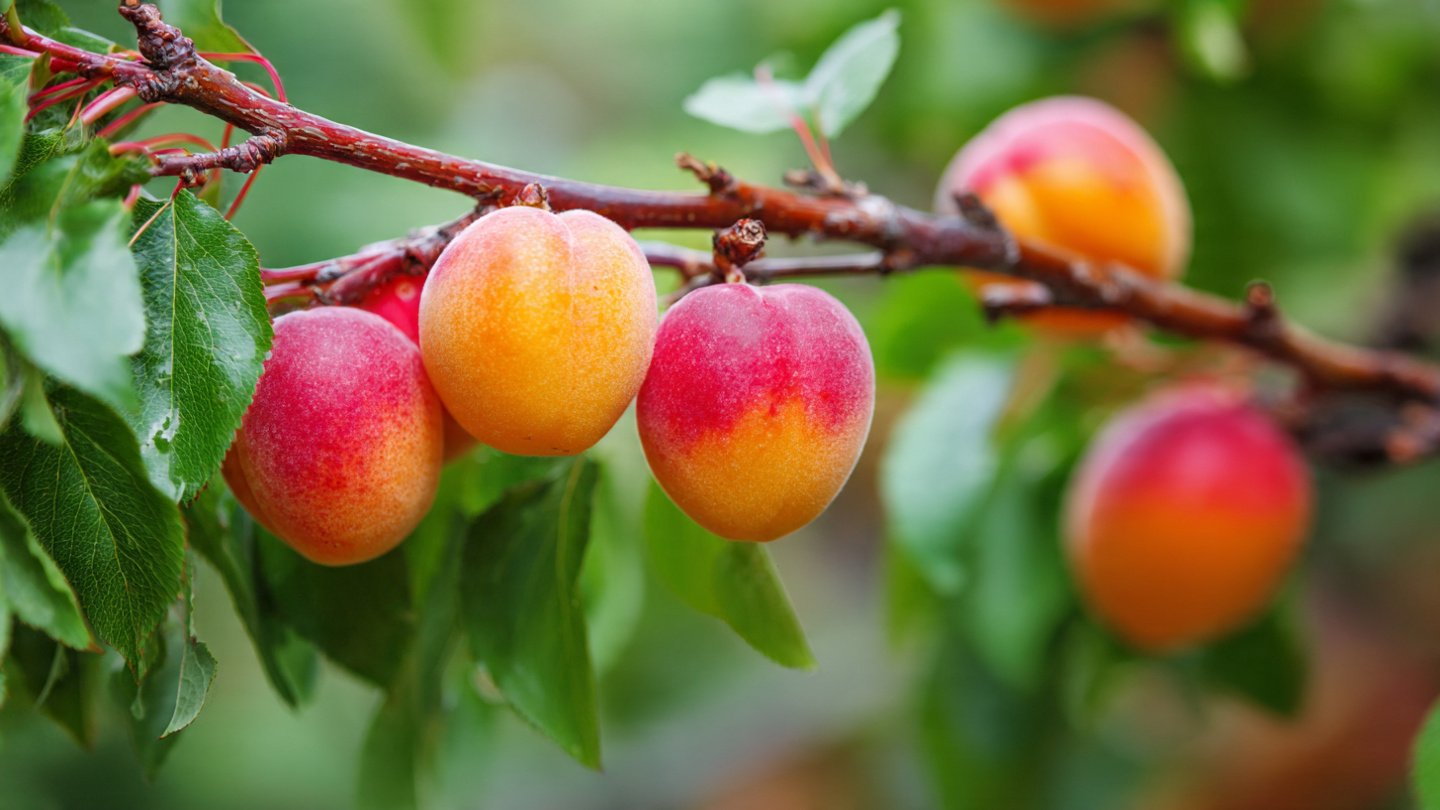
Apricots are one of the most delightful stone fruits, offering juicy, sweet-tart flavors and a beautiful orange hue that brightens up any summer harvest. However, growing apricots in Canada can be challenging due to the country’s short growing season and cold winters. Early apricot varieties, which mature quickly and can withstand cooler temperatures, are particularly well-suited for Canadian gardens. With proper planning, careful selection, and attentive care, home gardeners can enjoy a bountiful apricot harvest. This guide will walk you through everything you need to know to successfully grow early apricot varieties in Canada.
Why Grow Early Apricot Varieties in Canada?
Canada’s climate presents unique challenges for apricot cultivation, including:
- Short Growing Season: Many regions have late frosts in spring and early frosts in autumn, which can damage flowers or fruit.
- Cold Winters: Some apricot varieties are susceptible to frost damage.
Early apricot varieties are bred to flower and mature earlier in the season, reducing the risk of frost damage and allowing fruit to ripen fully before colder weather arrives. Additionally, these varieties often have hardier growth habits, making them ideal for Canadian gardeners.
Choosing the Right Early Apricot Varieties
Selecting the right variety is the foundation of success. Here are some popular early apricot varieties suitable for Canadian climates:
- ‘Harcot’: A classic Canadian variety that ripens early, usually in late July. Hardy, productive, and resistant to frost, making it ideal for cooler regions.
- ‘Velox’: Known for its early harvest and excellent flavor. Produces medium-sized, sweet fruit.
- ‘Aurora’: Compact tree with early ripening fruit, perfect for smaller gardens.
- ‘Thiessen’: Early, hardy, and disease-resistant, with bright orange, flavorful fruit.
- ‘Katy’: Fast-growing, early-ripening, and produces large, firm fruits suitable for fresh eating and preserving.
When selecting varieties, consider your specific climate, local hardiness zone, and intended use (fresh consumption, canning, or drying). Many Canadian growers recommend planting two or more varieties for cross-pollination, although some apricots are partially self-fertile.
Selecting the Planting Site
Location is critical for apricot success in Canada:
- Sunlight: Apricots require full sun, ideally 6–8 hours per day, to produce sweet, juicy fruit.
- Soil: Well-drained, loamy soils with a pH between 6.0 and 7.0 are ideal. Apricots do not tolerate heavy clay soils, which can cause root rot.
- Air Circulation: Planting in a location with good airflow helps prevent fungal diseases and reduces frost damage risk. Avoid low-lying areas where cold air may settle.
- Frost Protection: Apricots are sensitive to late spring frosts, which can damage blossoms. Plant on gentle slopes or higher ground to minimize frost exposure.
Planting Early Apricot Trees
When to Plant
In Canada, the best time to plant apricot trees is in early spring after the risk of severe frost has passed. Planting in the spring gives the tree a full growing season to establish strong roots before winter.
Planting Process
- Dig a Hole: The hole should be twice as wide and as deep as the root ball.
- Prepare the Soil: Mix native soil with compost or well-rotted manure to provide nutrients.
- Position the Tree: Place the tree in the hole, ensuring the graft union (if present) is above the soil line.
- Backfill and Water: Fill the hole, gently firm the soil, and water thoroughly to eliminate air pockets.
- Mulching: Apply a 2–3 inch layer of organic mulch around the base, leaving a few inches around the trunk to prevent rot. Mulch conserves moisture and regulates soil temperature.
Care and Maintenance
Proper care ensures strong growth, healthy trees, and high yields.
Watering
- Apricots need regular watering, especially during the first few years after planting.
- Water deeply once or twice a week, depending on rainfall and soil type.
- Reduce watering during the dormant winter period to prevent root problems.
Fertilizing
- Apply a balanced fertilizer (10-10-10) in early spring before bud break.
- Avoid excessive nitrogen, which encourages leafy growth at the expense of fruit.
- Supplemental feeding may be needed in subsequent years, especially for trees in poor soils.
Pruning
Pruning is essential for shaping the tree, encouraging airflow, and preventing disease:
- Formative Pruning: Shape young trees into an open-center or vase-like structure to maximize sunlight penetration.
- Maintenance Pruning: Remove dead, damaged, or diseased branches each year.
- Thinning Fruit: If fruit load is heavy, thin young fruits to improve size and prevent limb breakage.
Pest and Disease Management
Apricots can be affected by pests and diseases, but careful attention can minimize problems:
- Common Pests: Aphids, spider mites, and codling moths. Handpicking or using organic insecticidal sprays can help.
- Fungal Diseases: Brown rot and leaf curl are common. Ensure proper spacing, remove infected plant parts, and consider organic fungicides if needed.
- Birds: Birds love apricots. Use netting or reflective scare devices to protect ripening fruit.
Pollination
Most early apricot varieties are partially self-fertile, but planting two compatible varieties can improve fruit set and yield. Ensure flowers bloom simultaneously for successful cross-pollination. Bees and other pollinators play a crucial role, so maintaining a pollinator-friendly garden benefits your apricot trees.
Harvesting Early Apricots
Timing is key for harvesting:
- Ripeness Indicators: Fruit should be fully colored, slightly soft to the touch, and aromatic.
- Handling: Handle fruit gently to prevent bruising. Apricots are delicate and do not store well once overripe.
- Storage: Picked apricots can be stored in the refrigerator for 2–3 days. For longer storage, consider freezing, canning, or drying.
Protecting Apricot Trees in Canadian Winters
Even hardy early apricot varieties can be vulnerable to harsh winters:
- Mulching: Apply a thick layer of mulch around the root zone to insulate the soil.
- Trunk Protection: Wrap young tree trunks with tree guards or burlap to prevent frost cracks and sunscald.
- Pruning Timing: Avoid heavy pruning in late fall, which may stimulate new growth that is vulnerable to frost.
Tips for Maximizing Yield
- Choose Varieties Wisely: Select varieties recommended for your hardiness zone.
- Maintain Proper Spacing: Proper spacing prevents overcrowding and ensures sunlight reaches all branches.
- Regular Care: Consistent watering, fertilization, and pruning are crucial for healthy growth.
- Monitor for Pests and Disease: Early detection and intervention prevent major damage.
- Encourage Pollinators: Bees and insects improve pollination and fruit set.
- Harvest Strategically: Pick fruit at peak ripeness for maximum flavor and to encourage further production.
Benefits of Growing Apricots at Home
- Freshness: Homegrown apricots are far superior to store-bought, offering maximum flavor and nutrients.
- Cost Savings: Growing your own reduces reliance on imported fruits, which can be expensive.
- Satisfaction: Cultivating a tree from planting to harvest is a rewarding experience.
- Aesthetic Appeal: Apricot trees are beautiful additions to gardens, offering spring blossoms and vibrant summer fruit.
Conclusion
Growing early apricot varieties in Canadian gardens is entirely possible with careful variety selection, proper site preparation, and attentive care. While Canada’s climate presents challenges such as short growing seasons and harsh winters, early-ripening and hardy varieties like ‘Harcot’, ‘Velox’, and ‘Aurora’ can thrive and reward gardeners with delicious, nutritious fruit.
By following best practices for planting, watering, fertilization, pruning, pest management, and frost protection, you can successfully cultivate apricot trees that produce high yields year after year. Whether you enjoy fresh fruit, jams, or preserves, early apricots are a delightful addition to any Canadian garden and a testament to the rewards of patient and thoughtful gardening.
With dedication and careful planning, Canadian gardeners can enjoy the unique taste of homegrown apricots, turning a short summer season into a fruitful and satisfying harvest.