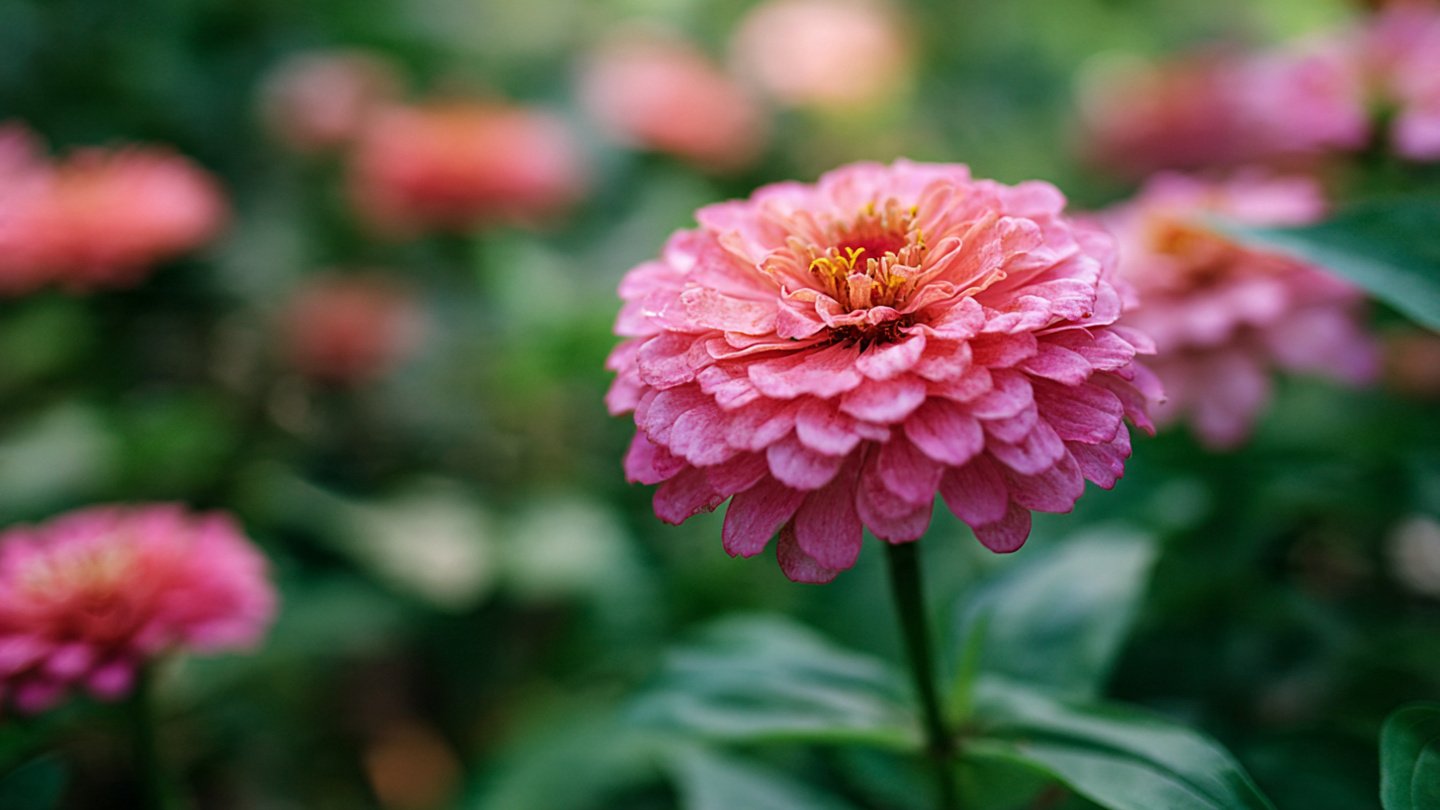
Few flowers bring as much vibrant color and joy to a garden as zinnias. Known for their long-lasting blooms, easy maintenance, and wide range of colors, zinnias are a favorite among gardeners of all levels. With proper care and planning, it’s possible to enjoy zinnias blooming continuously throughout the year, turning your garden into a bright, lively space no matter the season. This guide will walk you through selecting the best varieties, planting, care, and strategies for nonstop zinnia blooms.
Why Grow Zinnias?
Zinnias are more than just pretty flowers—they’re garden champions for several reasons:
- Vibrant colors: From fiery reds to soft pastels, zinnias brighten any garden.
- Long blooming season: Flowers can last for months with proper care.
- Pollinator-friendly: They attract bees, butterflies, and other beneficial insects.
- Low maintenance: Zinnias are hardy and easy to grow in most climates.
- Versatile: Suitable for garden beds, borders, containers, and even indoor arrangements.
For gardeners wanting a year-round splash of color, zinnias are an excellent choice.
Choosing the Right Zinnia Varieties
Selecting varieties that bloom profusely and suit your garden space is key:
- Dwarf varieties: Perfect for containers, balconies, or small garden beds. Examples include ‘Thumbelina’ and ‘Zahara.’
- Medium-height varieties: Ideal for borders and garden beds, such as ‘Cut and Come Again’ or ‘State Fair Mix.’
- Tall varieties: Great for background planting or cutting gardens; examples include ‘Benary Giant’ and ‘Zinnia Elegans.’
- Single and double blooms: Single flowers attract pollinators, while double blooms provide more visual impact.
- Continuous bloomers: Varieties like ‘Profusion’ series are bred for nonstop flowering and disease resistance.
Choosing the right varieties ensures longer bloom times and a more visually appealing garden.
Preparing Your Garden or Containers
Zinnias thrive in well-draining soil and full sunlight:
- Sunlight: At least 6–8 hours of direct sun daily for robust growth.
- Soil: Loamy, well-drained soil with a pH of 5.5–7.5.
- Fertilizer: Mix in compost or organic fertilizer to enrich the soil.
- Containers: Use pots at least 20–25 cm deep for dwarf varieties, larger for taller varieties, ensuring drainage holes are present.
Proper preparation sets the stage for strong plants and continuous blooms.
Planting Zinnias
From Seeds
- Sow seeds 0.5–1 cm deep in seed trays or directly in the garden bed.
- Maintain spacing of 15–30 cm depending on the variety to allow airflow and reduce disease risk.
- Keep soil moist but not waterlogged until germination, which occurs in 5–10 days.
- Thin seedlings to the strongest plants if multiple seeds germinate in a single spot.
From Seedlings
- Transplant young seedlings carefully to avoid root damage.
- Water immediately after transplanting to help plants settle in.
- Space plants adequately to promote air circulation and healthy growth.
Starting zinnias from seedlings can provide a head start and help maintain continuous blooms.
Watering and Care
Consistent care is essential for nonstop flowering:
- Watering: Water at the base of the plants 2–3 times per week, more in hot, dry periods. Avoid wetting the foliage to prevent fungal issues.
- Mulching: Apply organic mulch around plants to retain moisture, suppress weeds, and regulate soil temperature.
- Fertilization: Apply a balanced liquid fertilizer every 2–3 weeks to support continuous flowering.
Healthy care routines encourage stronger stems, larger blooms, and longer flowering periods.
Deadheading for Continuous Blooms
Deadheading—or removing spent flowers—is essential for nonstop zinnia blooms:
- Pinch or cut faded flowers just above the first set of healthy leaves.
- This encourages the plant to produce new buds rather than setting seeds.
- Regular deadheading can increase flowering by several weeks and keep the garden looking fresh.
Deadheading is one of the simplest yet most effective techniques to maintain a vibrant, long-lasting zinnia display.
Succession Planting
To enjoy zinnias year-round, succession planting is crucial:
- Staggered sowing: Sow new seeds or seedlings every 3–4 weeks.
- Layered planting: Plant different varieties with varied bloom times to maintain color continuously.
- Container rotation: Move containers indoors or to shaded areas during extreme weather, then back to sunlight to prolong flowering.
Succession planting ensures your garden never runs out of blooms, regardless of the season.
Pest and Disease Management
Zinnias are generally hardy, but monitoring for pests and diseases keeps plants healthy:
- Aphids: Spray with neem oil or insecticidal soap.
- Powdery mildew: Avoid overhead watering and ensure proper spacing for airflow.
- Leaf spot or fungal diseases: Remove infected leaves and use organic fungicides if necessary.
- Birds and insects: Protect seedlings with netting if necessary.
Preventive care is easier than treating problems after they arise and supports continuous blooming.
Attracting Pollinators
Zinnias naturally attract bees, butterflies, and other pollinators, which enhance the health and productivity of your garden:
- Plant a mix of single-flower varieties for easier access to nectar and pollen.
- Include other flowering plants nearby to create a pollinator-friendly environment.
- Avoid using harsh chemical pesticides that can harm beneficial insects.
Healthy pollination improves flowering and overall plant vitality.
Creative Garden Designs with Zinnias
Zinnias are versatile and can enhance garden aesthetics in multiple ways:
- Borders and edges: Use medium-height zinnias for striking borders along pathways.
- Container arrangements: Dwarf varieties brighten patios, balconies, or window boxes.
- Cutting gardens: Tall varieties provide stunning flowers for bouquets.
- Color schemes: Mix colors and bloom shapes to create eye-catching patterns and textures.
- Layered planting: Combine zinnias with low-growing ground covers or trailing plants for added visual interest.
Thoughtful design ensures zinnias not only bloom continuously but also enhance the overall beauty of your garden.
Harvesting and Enjoying Zinnias
Zinnias are perfect for cutting and arranging indoors:
- Cut flowers in the morning when blooms are fully open.
- Use sharp scissors or pruning shears to avoid damaging stems.
- Place in fresh water and change daily to extend vase life.
- Harvesting flowers regularly encourages more blooms in the garden.
Zinnias provide both aesthetic and practical value, allowing you to enjoy their beauty indoors as well.
Final Thoughts
Growing zinnias for nonstop blooms in your garden is achievable with careful planning, proper care, and a little creativity. By selecting the right varieties, preparing nutrient-rich soil, practicing succession planting, deadheading, and providing consistent water and fertilizer, your garden can be filled with vibrant, cheerful flowers year-round.
Whether you have a large backyard or a small balcony, zinnias offer versatility, beauty, and pollinator-friendly benefits that make them a perfect choice for gardeners seeking continuous color. With dedication to these simple steps, your home garden will become a zinnia wonderland, radiating color and joy in every season.