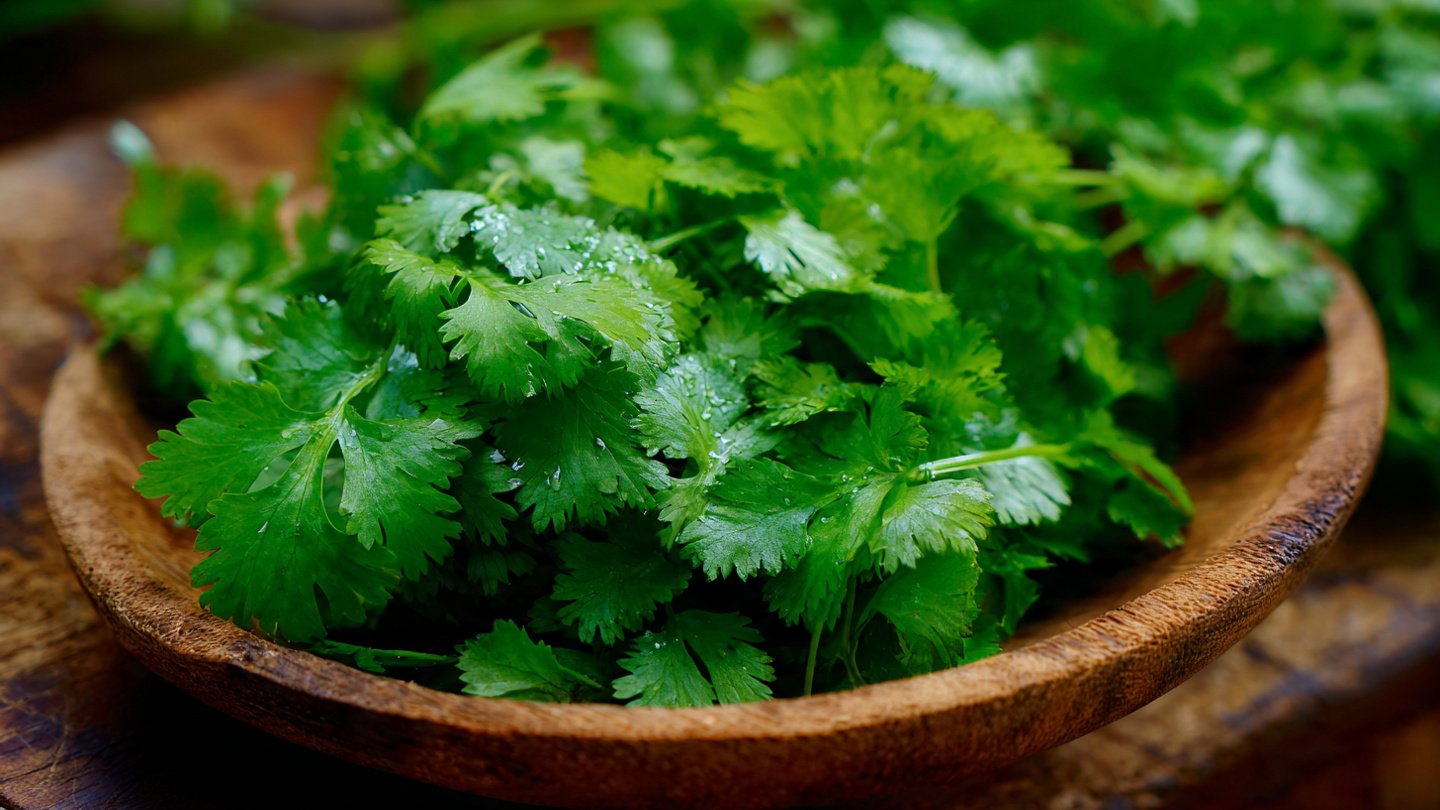
Coriander (Coriandrum sativum), also known as cilantro, is a culinary herb prized for its aromatic leaves and flavorful seeds. Home gardeners and chefs alike often desire lush, leafy coriander for cooking, but a common challenge is that coriander tends to bolt (produce flowers) quickly, especially in warm weather. Once the plant flowers, leaf production slows dramatically, and the leaves may become bitter.
In this comprehensive guide, we’ll reveal the ultimate method for growing coriander without producing flowers, including scientific explanations, environmental tips, and practical techniques that ensure a continuous supply of fresh, tender leaves.
Understanding Why Coriander Flowers Too Early
Before learning how to prevent flowering, it’s important to understand why coriander bolts:
- Temperature: Coriander is a cool-season herb. When exposed to temperatures above 25°C (77°F), the plant often reacts by flowering.
- Day Length: Long daylight hours can trigger flowering. Coriander is sensitive to photoperiod, so extended sunlight can signal it to transition from vegetative (leaf) growth to reproductive (flower) growth.
- Plant Maturity: Older plants naturally start producing flowers to complete their life cycle.
- Stress Factors: Lack of water, nutrient deficiencies, or crowded planting can accelerate bolting.
By controlling these factors, you can prolong leaf production and delay flowering significantly.
Choosing the Right Variety
Some coriander varieties are naturally more slow-bolting than others. Selecting the right seed is the first step:
- Santo: Popular for its long, tender leaves and slow bolting.
- Leisure: Ideal for warmer climates, known for extended leaf growth.
- Calypso: Slow-bolting variety, perfect for home gardens.
- Jantar: Resistant to high temperatures and flowering.
Using slow-bolting seeds increases the likelihood of maintaining leaf production for weeks or months.
Soil Preparation for Continuous Leaf Growth
Healthy coriander leaves start with well-prepared soil:
- Soil Type: Loose, well-drained soil is best. Heavy clay can trap water and stress plants.
- pH Level: Coriander prefers slightly acidic to neutral soil, with a pH of 6.2–7.0.
- Organic Matter: Mix in compost or well-rotted manure to provide nutrients and improve soil structure.
- Moisture Retention: Add perlite or vermiculite to retain moisture without waterlogging the roots.
A well-nourished root system is less likely to bolt prematurely and can sustain extended vegetative growth.
Seed Sowing Techniques
Proper sowing techniques play a crucial role in preventing early flowering:
1. Direct Sowing
- Sow seeds ½ inch deep in loose soil.
- Space seeds 6–8 inches apart to reduce stress and improve airflow.
- Cover lightly with soil and water gently.
2. Succession Sowing
- Sow seeds every 2–3 weeks for a continuous supply of young, tender leaves.
- Harvest outer leaves regularly to encourage the plant to produce more leaves rather than flowers.
3. Indoor or Container Sowing
- Use pots or trays with well-drained soil.
- Place containers in partial shade during hot months to reduce heat stress.
- Containers allow better control over water, temperature, and light exposure.
Temperature Control
Temperature is the primary trigger for bolting in coriander:
- Ideal leaf growth occurs between 17–24°C (63–75°F).
- In hot climates, provide partial shade during the afternoon to lower stress.
- For indoor plants, use fans or air conditioning to keep temperatures moderate.
- Avoid sudden heat waves or exposure to direct midday sun, which accelerates flowering.
By maintaining optimal temperatures, coriander plants stay in the vegetative stage longer.
Light Management
While coriander needs sunlight to grow, too much light can trigger flowering:
- Outdoor Plants: Provide partial shade during the hottest part of the day.
- Indoor Plants: Place near bright, indirect light instead of direct, harsh sunlight.
- Day Length: If possible, reduce exposure to long daylight periods by using shading nets outdoors or curtains indoors.
Managing light can delay bolting and keep leaves tender.
Watering for Leaf Production
Water stress is a major cause of coriander flowering prematurely:
- Keep the soil consistently moist, but avoid waterlogging.
- Water deeply and regularly during hot weather to reduce plant stress.
- Mulching with straw or coconut coir helps retain soil moisture and keeps roots cool.
Consistent hydration encourages leafy growth and prevents the plant from entering reproductive mode.
Fertilization Practices
Coriander leaves benefit from balanced nutrition to stay in the vegetative stage:
- Use a nitrogen-rich fertilizer to promote lush leaf growth.
- Organic options such as compost, fish emulsion, or liquid seaweed work well.
- Avoid over-fertilizing with phosphorus or potassium, which can encourage flowering.
Proper fertilization ensures the plant focuses on leaf production rather than seed development.
Pruning and Leaf Harvesting
Pruning is key to preventing flowering:
- Harvest outer leaves first rather than cutting the central growing tip.
- Regular harvesting stimulates new leaf growth and delays the reproductive phase.
- Remove any flower buds as soon as they appear to redirect energy back to leaf production.
By combining careful pruning with succession sowing, you can enjoy continuous leaves for several months.
Companion Planting and Pest Management
Healthy coriander plants resist stress and flowering better:
- Companion Plants: Basil, mint, or spinach can provide shade and improve soil health.
- Pest Control: Aphids, whiteflies, and leaf miners can stress plants and trigger flowering. Use neem oil or insecticidal soap to protect your plants.
- Air Circulation: Avoid overcrowding, which can cause stress and increase disease risk.
A stress-free plant is less likely to bolt and produces more flavorful leaves.
Advanced Techniques to Delay Flowering
- Partial Shade Nets: Reduce heat and light stress outdoors.
- Root Pruning in Containers: Gently prune roots when transplanting to encourage new leafy growth.
- Cool Soil Tricks: Use light-colored mulch to keep soil temperature moderate.
- Regular Watering Cycles: Avoid drought stress, especially during the early growth stage.
These methods may require extra attention but significantly extend the leaf-producing period.
Common Mistakes to Avoid
- Neglecting Temperature Control: High heat leads to rapid flowering.
- Overcrowding: Plants compete for light, nutrients, and water, increasing stress.
- Ignoring Early Flower Buds: Once flowers appear, remove them immediately.
- Inconsistent Watering: Both drought and overwatering can cause stress and premature flowering.
- Wrong Fertilization: Too much phosphorus accelerates seed formation; nitrogen promotes leaves.
Awareness of these mistakes ensures a long-lasting, productive coriander crop.
Harvesting and Storage
- Begin harvesting leaves when plants are 6–8 inches tall.
- Pick outer leaves regularly to encourage new growth.
- Wash and store in airtight containers in the fridge for up to a week, or freeze for long-term storage.
- If seeds develop, harvest them separately—they are excellent for cooking and spice blends.
Conclusion
Growing coriander without producing flowers may seem challenging, but it is entirely possible with the right techniques. By choosing slow-bolting varieties, maintaining moderate temperatures, controlling sunlight exposure, providing consistent water and nutrition, and regularly pruning, you can enjoy a continuous supply of tender, flavorful leaves.
Coriander is a sensitive herb, responding quickly to environmental cues. The key is preventing stress—both from heat, light, and water fluctuations—and actively managing leaf harvesting. With patience, attention, and these proven strategies, home gardeners can master the art of growing coriander without flowering, elevating both their kitchen creations and gardening skills.