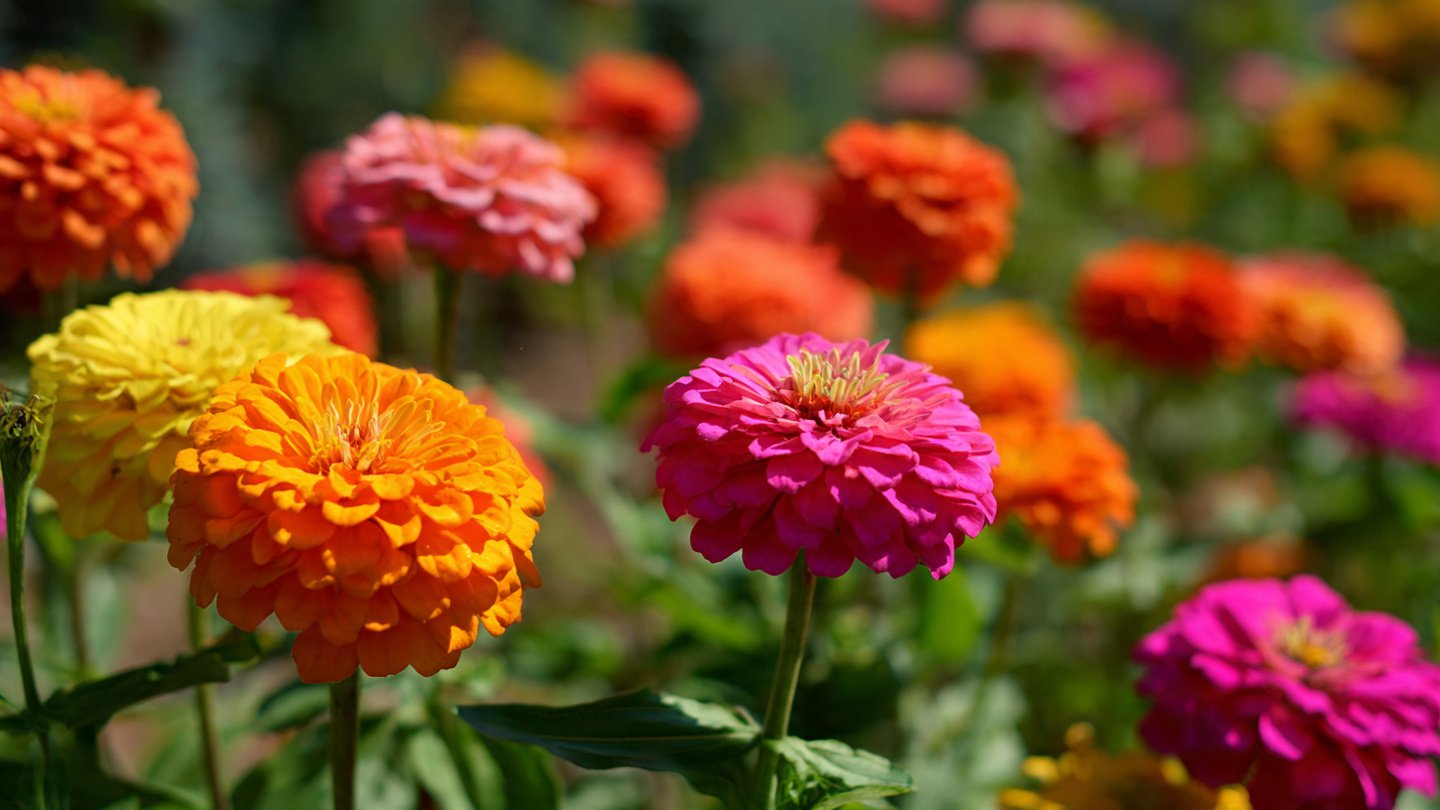
Zinnias are among the most vibrant, cheerful, and easy-to-grow flowers for home gardens. With their dazzling array of colors—ranging from fiery reds and oranges to soft pinks, purples, and sunny yellows—zinnias can create a stunning rainbow effect in your garden beds, borders, and containers. Beyond their visual appeal, zinnias are hardy, drought-tolerant, and attract pollinators such as butterflies and bees, making them a favorite among both novice and experienced gardeners. This guide will walk you through the steps to grow zinnias in a rainbow of bright colors, from seed selection to flowering success.
Why Choose Zinnias for a Colorful Garden
Zinnias are ideal for gardeners seeking a long-lasting, low-maintenance, and visually impactful floral display. Key benefits include:
- Vibrant colors: Zinnias come in a wide spectrum, allowing for creative combinations and color themes.
- Ease of growth: They thrive in most soils, tolerate heat and drought, and require minimal care.
- Pollinator-friendly: Their open flowers attract butterflies, bees, and hummingbirds.
- Continuous blooms: With proper care, zinnias bloom from summer through fall.
- Versatility: Suitable for garden beds, containers, borders, and cut flower arrangements.
By planting multiple zinnia varieties, you can design a garden with a continuous rainbow of color.
Selecting the Right Zinnia Varieties
Zinnias belong to the genus Zinnia, with hundreds of cultivars available. For a rainbow garden, consider these types:
- Zinnia elegans: Classic garden zinnias, available in tall and dwarf varieties, offering large, single or double blooms.
- Zinnia angustifolia: Slender, heat-tolerant flowers with a more delicate appearance, perfect for borders.
- Zinnia hybrida: Hybrid zinnias bred for disease resistance and vibrant colors.
Select varieties with different bloom times, heights, and flower sizes to create layers of color and continuous flowering. Popular colors include: red, orange, yellow, pink, purple, magenta, and white.
Starting Zinnias from Seeds
Growing zinnias from seeds is easy, economical, and allows you to mix colors for a rainbow effect.
Step 1: Seed Selection
- Choose fresh, high-quality seeds from reputable suppliers.
- Consider purchasing mixed-color packs for variety or select specific colors for coordinated patterns.
Step 2: Germination
- Zinnias germinate best in warm soil (70–75°F / 21–24°C).
- Sow seeds ¼ inch deep in seed trays, pots, or directly in garden soil.
- Keep soil consistently moist until seeds sprout in 5–10 days.
Step 3: Thinning Seedlings
- Once seedlings develop 2–3 true leaves, thin them to 6–12 inches apart (depending on variety).
- Proper spacing prevents overcrowding, promotes airflow, and reduces disease risk.
Choosing the Ideal Planting Location
Zinnias thrive under specific conditions for optimal growth and vibrant blooms:
- Sunlight: Plant in full sun, receiving at least 6–8 hours of direct sunlight daily. More sun produces stronger stems and more flowers.
- Soil: Well-draining soil is essential. Zinnias tolerate a range of soil types but perform best in fertile, moderately rich soil with a slightly acidic to neutral pH (6.0–7.0).
- Spacing: Taller varieties need more room (12–18 inches apart), while dwarf varieties can be planted closer (6–10 inches apart).
- Air circulation: Avoid overcrowding to reduce the risk of powdery mildew and other fungal diseases.
Caring for Zinnia Flowers
Zinnias are relatively low-maintenance, but proper care ensures vibrant color, long-lasting blooms, and disease-free plants.
1. Watering
- Water zinnias at the base of the plant to avoid wetting foliage.
- Maintain consistent moisture, particularly during dry spells, but avoid overwatering, which can lead to root rot.
- Mulching around the base helps retain soil moisture and suppress weeds.
2. Fertilization
- Apply a balanced, slow-release fertilizer at planting time to support strong growth.
- During the growing season, a liquid fertilizer high in phosphorus and potassium encourages flower production.
- Avoid excessive nitrogen, which promotes foliage growth at the expense of blooms.
3. Pruning and Deadheading
- Deadhead spent flowers regularly to encourage new blooms.
- Pinch back young plants to promote bushier growth and more flowering stems.
- Remove yellowing or diseased leaves promptly.
Creating a Rainbow Effect
To achieve a garden filled with a rainbow of zinnia colors:
- Plan your color layout: Consider planting in horizontal or vertical color blocks, or mix colors randomly for a wildflower effect.
- Stagger bloom times: Combine early-, mid-, and late-season bloomers to maintain continuous color throughout the summer.
- Mix heights and textures: Plant taller varieties behind shorter ones in borders or garden beds to create depth and visual interest.
- Use containers and raised beds: Containers allow precise color placement and mobility for sunlight exposure.
By combining colors, heights, and bloom times, you can design a garden that appears to bloom in a continuous rainbow.
Companion Planting and Pollinator Support
Zinnias attract pollinators, which benefit other plants in your garden. Consider companion planting with:
- Basil and herbs: Attract beneficial insects.
- Tomatoes and peppers: Benefit from increased pollinator activity.
- Marigolds: Provide pest control and complementary colors.
Pollinator presence enhances flower set and prolongs the blooming season for zinnias.
Managing Common Zinnia Challenges
Even hardy zinnias may face occasional challenges:
Pests
- Aphids: Small green insects that feed on plant sap. Control with insecticidal soap or neem oil.
- Spider mites: Cause leaf yellowing; spray with water or miticide.
- Japanese beetles: Eat flowers and foliage; remove manually or use organic repellents.
Diseases
- Powdery mildew: Common in humid conditions; improve air circulation, water at the base, and apply fungicide if needed.
- Leaf spot: Remove affected leaves and maintain dry foliage.
- Root rot: Avoid waterlogged soil by ensuring proper drainage.
Proper spacing, watering, and routine monitoring prevent most issues.
Harvesting Zinnias
Zinnias are excellent for cut flowers:
- Harvest in the morning when flowers are fresh.
- Cut stems 1–2 inches above the first set of leaves.
- Regular harvesting encourages more blooms and prevents flowers from going to seed too early.
- Arrange zinnias in vases to enjoy their rainbow of colors indoors.
For continuous blooms, rotate planting, deadhead spent flowers, and maintain healthy plants with consistent care.
Extending the Blooming Season
To enjoy zinnias for as long as possible:
- Succession planting: Sow seeds every 2–3 weeks during spring and early summer.
- Provide consistent care: Water, fertilize, and deadhead regularly.
- Protect from frost: Zinnias are frost-sensitive; start seeds indoors in cooler regions or use row covers for early planting.
- Choose disease-resistant varieties: Hybrids often have better resistance to powdery mildew and other common issues.
With these strategies, your zinnias can bloom continuously from late spring through fall.
Conclusion
Growing zinnia flowers in a rainbow of bright colors is a rewarding and visually stunning addition to any garden. By selecting a variety of colors, planting in sunny, well-drained soil, and maintaining proper care, you can create a vibrant floral display that attracts pollinators and provides long-lasting blooms. With careful planning, deadheading, and succession planting, your garden can showcase zinnias in a continuous rainbow throughout the season.
Whether you’re a beginner gardener or an experienced horticulturist, zinnias offer the perfect combination of beauty, ease of growth, and versatility. By following this guide, you can enjoy a lively, colorful garden filled with zinnia flowers that brighten your outdoor space and delight both the eyes and the senses.