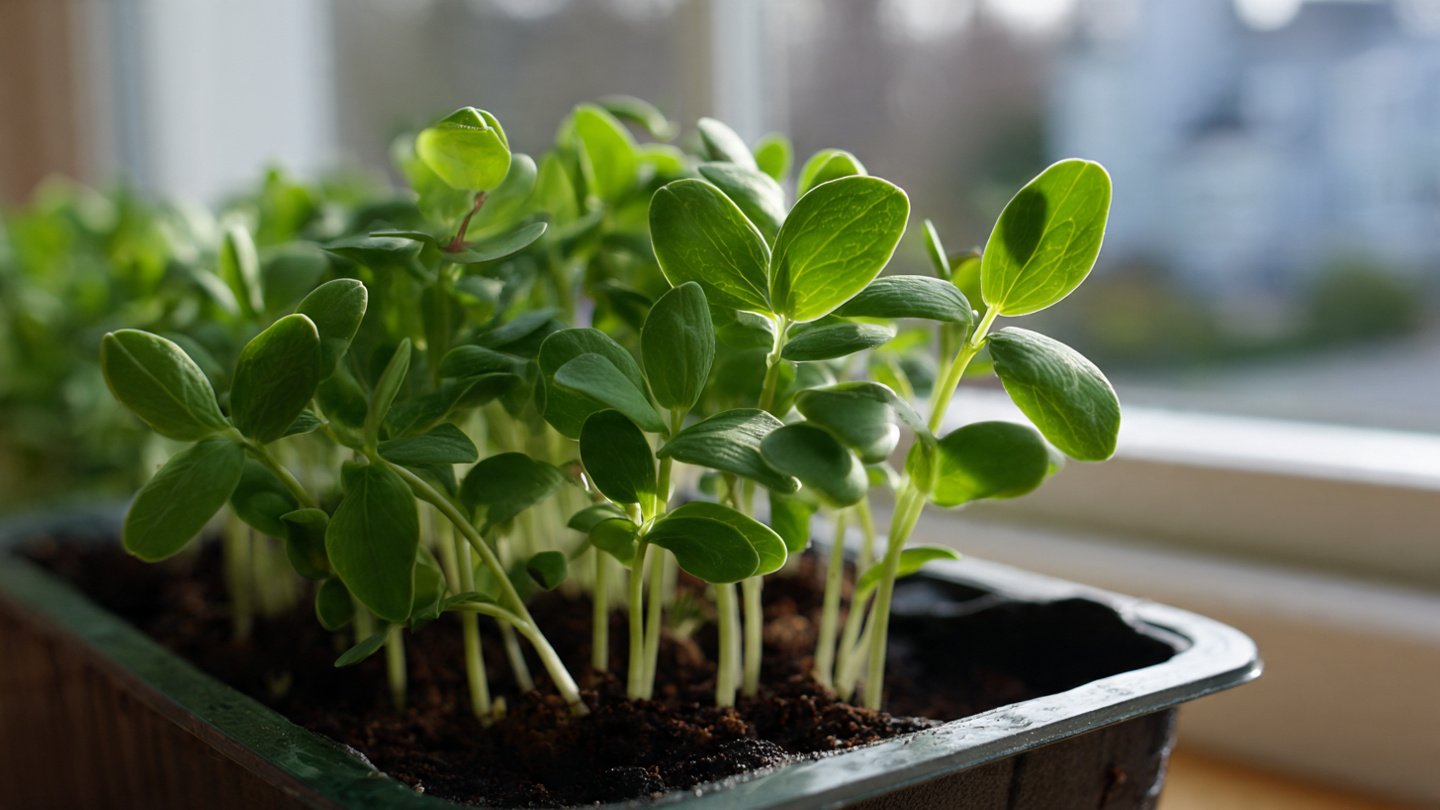
Fenugreek (Trigonella foenum-graecum), also known as methi, is an aromatic herb widely appreciated for its culinary and medicinal properties. Its seeds and leaves are staples in Indian, Middle Eastern, and Mediterranean cuisines, adding a distinctive, slightly bitter, nutty flavor to dishes. Beyond taste, fenugreek leaves are rich in vitamins, minerals, and antioxidants, making them a nutritious addition to salads, soups, sandwiches, and smoothies.
Growing fenugreek baby greens at home is surprisingly easy, fast, and cost-effective. Baby greens, harvested just after the first true leaves emerge, are tender, flavorful, and packed with nutrients. This guide will take you through the steps to grow fenugreek microgreens or baby leaves quickly, along with tips on care, harvesting, and culinary uses.
Why Grow Fenugreek Baby Greens at Home?
Growing fenugreek at home has numerous advantages:
- Quick Growth: Fenugreek seeds germinate in just 2–5 days, and baby greens can be ready to harvest in 7–14 days.
- Nutritious: Baby fenugreek leaves are rich in iron, calcium, magnesium, and vitamins A, C, and K.
- Flavorful: Young leaves have a fresh, slightly sweet, nutty flavor that enhances dishes without overpowering them.
- Pesticide-Free: Growing at home ensures your greens are free from harmful chemicals.
- Space-Efficient: Fenugreek grows well in small containers, trays, or even on windowsills, making it ideal for urban gardeners.
Choosing the Right Seeds
The success of your fenugreek baby greens begins with quality seeds. Here’s what to consider:
- Fresh Seeds: Use fresh, viable seeds for higher germination rates. Old or improperly stored seeds may have reduced sprouting.
- Organic Seeds: For chemical-free microgreens, opt for certified organic seeds.
- Seed Size: Fenugreek seeds are small and oval. Ensure uniformity in size for even sprouting.
Preparing the Seeds for Planting
Pre-soaking fenugreek seeds helps accelerate germination and ensures healthy, vigorous sprouts.
- Soak Seeds: Place seeds in a bowl of room-temperature water and soak for 8–12 hours or overnight. This softens the seed coat and triggers germination.
- Drain and Rinse: After soaking, drain the seeds and rinse them thoroughly. Excess water can cause mold or rot if seeds are left standing in water.
Choosing Containers and Growing Medium
Fenugreek baby greens can be grown in a variety of containers, from shallow trays to small pots. The key is proper drainage and enough space for roots to develop.
- Containers: Shallow trays with drainage holes are ideal for even growth. Small pots or recycled containers can also work if they allow water drainage.
- Growing Medium: Fenugreek grows well in light, well-draining soil. A mix of potting soil and compost or a seed-starting mix provides nutrients and supports healthy root development. Avoid heavy or clay soils that retain too much water.
Planting Fenugreek Seeds
Planting is quick and easy. Follow these steps for optimal results:
- Soil Preparation: Fill your container with 1–2 inches of moist soil. Lightly press it down to create a level surface.
- Sow Seeds: Spread soaked fenugreek seeds evenly over the soil surface. For denser microgreens, you can sow more seeds closely.
- Cover Seeds: Lightly cover seeds with a thin layer of soil (around ¼ inch). Seeds do not need to be buried deeply, as shallow planting encourages faster sprouting.
- Water Gently: Mist the soil with water to settle seeds without washing them away. Keep the soil moist but not soggy.
Providing the Right Conditions for Fast Growth
Fenugreek baby greens germinate and grow best under the following conditions:
- Light: Place trays in bright, indirect sunlight or under grow lights for 12–16 hours a day. While fenugreek seeds can germinate in darkness, light is necessary once leaves emerge for strong, green growth.
- Temperature: Ideal temperatures for germination and growth range between 68–75°F (20–24°C). Avoid placing trays in drafts or extreme heat.
- Humidity: Moderate humidity helps seeds sprout quickly. Covering the tray with a clear lid or plastic wrap can maintain moisture, but remove it once seedlings emerge to prevent mold.
- Air Circulation: Good airflow prevents fungal growth and keeps leaves healthy. Avoid overcrowding trays in enclosed spaces.
Watering and Maintenance
Consistent moisture is critical for healthy fenugreek baby greens:
- Keep Soil Moist: Mist daily or water gently to maintain damp soil. Do not overwater, as this can cause root rot or mold growth.
- Thin Seedlings if Necessary: If seeds were sown densely, thin seedlings after a few days by snipping some at the base. This allows remaining plants to grow stronger.
- Prevent Pests: Fenugreek is generally pest-resistant indoors, but keep an eye out for aphids or fungal issues. Clean trays and avoid standing water to minimize risk.
Harvesting Fenugreek Baby Greens
One of the greatest advantages of growing fenugreek baby greens is their rapid harvest cycle:
- Timing: Baby greens are typically ready for harvest 7–14 days after germination, once seedlings have 2–4 true leaves. Microgreens can be harvested even earlier, around 5–7 days.
- Harvest Method: Use clean scissors to snip leaves just above the soil line. Avoid pulling, as this can disturb roots and remaining seedlings.
- Continuous Harvesting: You can practice “cut-and-come-again” harvesting. After trimming, seedlings may regrow new leaves for a second harvest if conditions remain favorable.
Nutritional Benefits of Fenugreek Baby Greens
Fenugreek baby greens are packed with nutrients:
- Vitamins: High in vitamin A, C, and K, supporting immunity, skin health, and bone strength.
- Minerals: Contains calcium, iron, magnesium, and potassium, essential for various body functions.
- Antioxidants: Rich in polyphenols and flavonoids, which help combat oxidative stress.
- Digestive Support: Fenugreek has been traditionally used to support digestion and regulate blood sugar levels.
Including these greens in your diet provides a concentrated source of nutrition in just a few bites.
Culinary Uses
Fenugreek baby greens are versatile and add flavor and nutrients to many dishes:
- Salads: Use raw for a slightly bitter, nutty addition to mixed greens.
- Sandwiches and Wraps: Add fresh leaves for crunch and flavor.
- Soups and Stews: Toss in baby greens just before serving for a mild aromatic flavor.
- Smoothies: Blend with other greens for a nutrient-packed drink.
- Indian Dishes: Add to curries, dals, or parathas for authentic flavor.
Troubleshooting Common Issues
Even though fenugreek is easy to grow, beginners may face minor issues:
- Slow Germination: Check seed freshness and pre-soak longer if necessary. Ensure temperatures are warm enough.
- Yellow Leaves: Often caused by overwatering or poor drainage. Reduce water and improve airflow.
- Leggy Growth: Occurs when seedlings stretch for light. Move trays closer to light or provide supplemental lighting.
- Mold or Fungal Growth: Ensure good air circulation, avoid overcrowding, and remove plastic covers once seedlings emerge.
Tips for Quick and Successful Growth
- Use fresh, organic seeds for high germination rates.
- Pre-soak seeds overnight to speed up sprouting.
- Maintain consistent moisture without overwatering.
- Provide bright, indirect light for healthy, compact leaves.
- Harvest early for tender, flavorful baby greens.
- Practice “cut-and-come-again” harvesting for multiple yields.
- Rotate trays occasionally to ensure even light exposure and growth.
Conclusion
Growing fenugreek baby greens at home is an easy, fast, and rewarding way to add nutrition and flavor to your meals. With minimal space, simple materials, and basic care, you can enjoy fresh, tender greens within just one to two weeks. From sprouting seeds to harvesting vibrant leaves, the process offers gardeners a sense of accomplishment and the satisfaction of eating home-grown, chemical-free greens.
Fenugreek baby greens are versatile, nutritious, and perfect for a variety of culinary applications, making them an ideal addition to any kitchen garden. By following proper techniques for seed selection, planting, care, and harvesting, anyone can cultivate a continuous supply of these healthy greens, enhancing both meals and wellness.
Start today, and you’ll quickly discover that the delicate, flavorful leaves of home-grown fenugreek baby greens can transform ordinary dishes into vibrant, nutrient-packed meals.