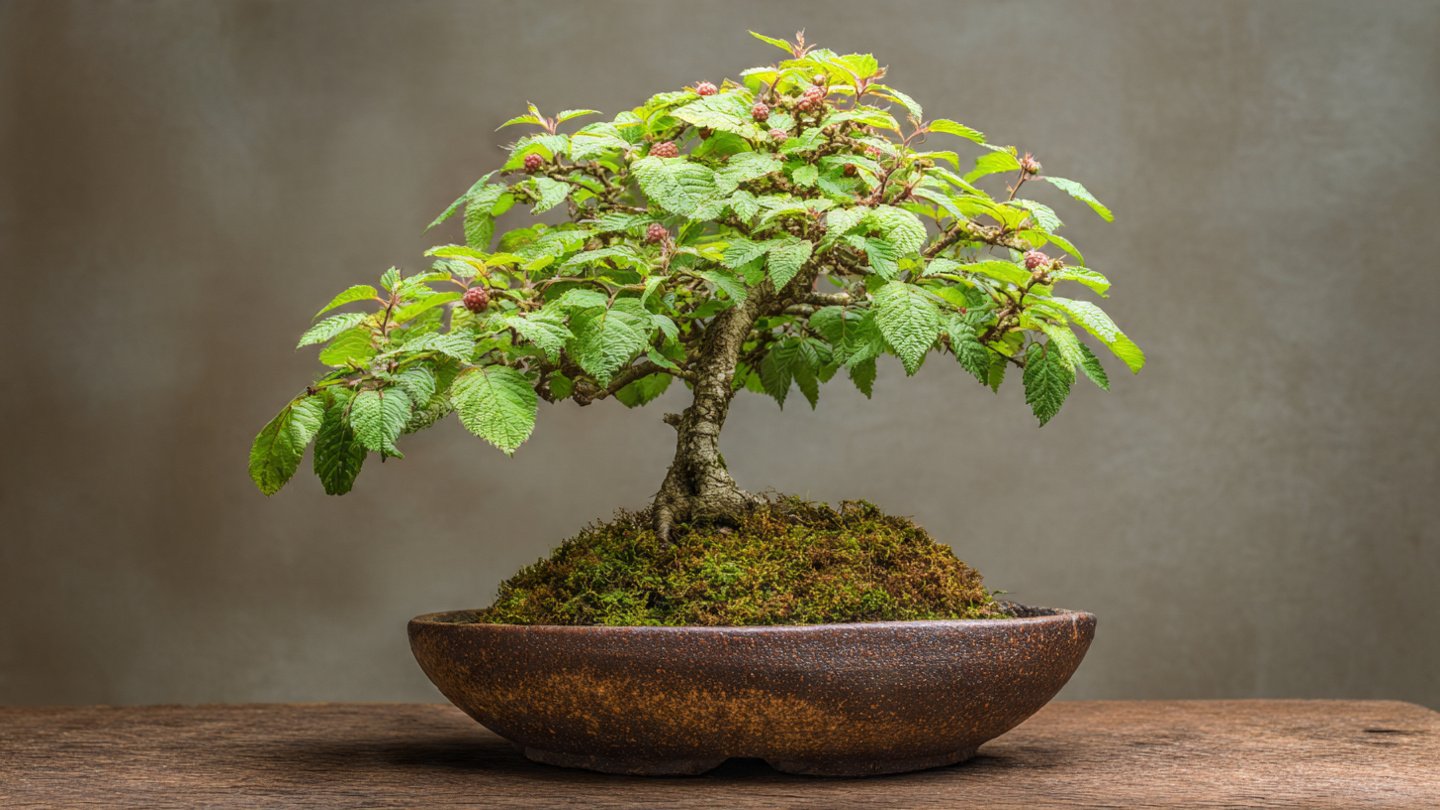
Raspberry plants are beloved for their sweet, juicy fruit and vibrant greenery. But what if you could combine their delicious harvest with the elegance of bonsai art? Raspberry bonsai is a captivating blend of horticulture and artistry, transforming ordinary raspberry bushes into living sculptures that enhance garden aesthetics. Perfect for patios, balconies, and formal gardens, raspberry bonsai offers both visual appeal and a practical source of fruit in a compact, controlled form.
This comprehensive guide explores the techniques, care, and strategies required to master raspberry bonsai cultivation, helping gardeners create unique, striking displays that are as functional as they are beautiful.
Why Grow Raspberry Bonsai?
Creating a raspberry bonsai offers several advantages:
- Unique garden aesthetics: The compact, sculpted form adds elegance and visual interest.
- Space-saving cultivation: Ideal for small gardens, patios, or container gardening.
- Fruit production: Unlike ornamental bonsai, raspberry bonsai produces edible fruit.
- Horticultural challenge: Combines gardening skills and artistic design, providing a rewarding experience.
Raspberry bonsai blends beauty with practicality, offering a living sculpture that also yields fresh berries.
Choosing the Right Raspberry Variety
Selecting the right variety is essential for bonsai success:
- Dwarf varieties: Compact raspberry types such as ‘Dwarf Golden’ or ‘Shortcake’ are ideal.
- Ever-bearing raspberries: Produce fruit continuously, maximizing harvest from small plants.
- Cold-hardy varieties: In cooler climates, choose hardy types that survive winter while maintaining growth.
Choosing varieties suited to bonsai cultivation ensures manageable growth, strong fruiting, and long-lasting plants.
Selecting a Suitable Container
Container choice is critical in raspberry bonsai cultivation:
- Size: Wide and shallow containers allow proper root development without excessive growth.
- Material: Ceramic, clay, or wooden bonsai pots provide stability and aesthetics.
- Drainage: Ensure multiple holes to prevent waterlogging and root rot.
The right container supports healthy growth while emphasizing the artistic form of the bonsai.
Preparing the Soil
Raspberry bonsai thrives in nutrient-rich, well-draining soil:
- Composition: Mix garden soil, compost, and sand or perlite for optimal drainage and aeration.
- pH level: Maintain slightly acidic to neutral soil (pH 6.0–7.0).
- Organic enrichment: Add compost or worm castings to supply essential nutrients and improve soil structure.
Proper soil preparation lays the foundation for healthy roots, balanced growth, and fruitful harvests.
Planting Techniques for Raspberry Bonsai
Planting is the first step in shaping a thriving bonsai:
- Positioning: Place the plant slightly off-center to encourage asymmetric, natural growth.
- Depth: Ensure the root crown is level with the soil surface to prevent rot.
- Initial pruning: Remove weak stems and leaves to promote balanced growth.
- Watering: Water thoroughly after planting to settle soil around roots.
Correct planting ensures a strong, healthy base for shaping your raspberry bonsai.
Pruning and Shaping Techniques
Pruning is the cornerstone of bonsai art:
- Regular pruning: Trim new growth to maintain the desired shape and height.
- Structural pruning: Remove crowded or crossing stems to improve airflow and sunlight penetration.
- Aesthetic shaping: Use selective pruning to create the classic bonsai silhouette with visible branches and compact foliage.
- Wire training: Gently bend branches using bonsai wire to guide growth without damaging the plant.
Effective pruning balances health, fruit production, and artistic form.
Watering and Moisture Management
Raspberry bonsai requires careful watering to prevent stress:
- Consistency: Keep soil evenly moist but not soggy.
- Method: Use a gentle watering can to avoid displacing soil.
- Observation: Check soil daily; bonsai containers dry faster than garden beds.
Consistent watering supports leaf growth, flowering, and fruit development while maintaining bonsai health.
Fertilization for Fruit and Growth
Nutrient management ensures vigorous growth and quality fruit:
- Balanced fertilizer: Apply a slow-release, balanced fertilizer during active growth periods.
- Organic feeding: Use compost tea or liquid seaweed extracts for additional micronutrients.
- Flowering and fruiting: Increase phosphorus and potassium content to enhance flowering and berry size.
Proper fertilization promotes both structural growth and abundant, flavorful fruit.
Pest and Disease Management
Even in bonsai form, raspberries are susceptible to pests and diseases:
- Common pests: Aphids, spider mites, and raspberry beetles.
- Diseases: Powdery mildew, root rot, and leaf spot.
- Preventive measures: Regularly inspect plants, remove damaged leaves, and maintain proper airflow.
- Organic solutions: Neem oil, insecticidal soap, or companion planting can help reduce pest pressure.
Early detection and care maintain plant health and aesthetic appeal.
Flowering and Fruit Production
Raspberry bonsai flowers and fruits like standard plants but require special attention:
- Pruning impact: Strategic pruning encourages flowering on short, productive stems.
- Pollination: Natural pollinators help, but hand pollination with a brush can improve yield in indoor or balcony settings.
- Harvesting: Pick berries when fully colored and firm; frequent harvesting encourages new fruit development.
Managing flowering and fruiting ensures your bonsai is both beautiful and productive.
Seasonal Care
Raspberry bonsai requires seasonal adjustments:
- Spring: Focus on pruning, repotting, and soil enrichment.
- Summer: Maintain consistent watering, fertilization, and pest management.
- Fall: Reduce growth activity, prepare for winter, and harvest remaining fruit.
- Winter: Protect from frost; dormant plants benefit from reduced watering and stable temperatures.
Seasonal care ensures long-term vitality and consistent fruiting for years.
Advantages of Raspberry Bonsai in Garden Design
- Visual interest: Adds a sculptural element to gardens, patios, and balconies.
- Compact cultivation: Ideal for small urban spaces or container gardening.
- Functional beauty: Combines edible plants with ornamental design.
- Educational value: Provides insight into horticulture, pruning, and plant physiology.
Raspberry bonsai integrates seamlessly into modern, traditional, or formal garden layouts, enhancing overall aesthetics.
Common Challenges and Solutions
- Overgrowth: Regular pruning keeps the plant compact.
- Root congestion: Repot every 2–3 years to refresh soil and allow root expansion.
- Pests and disease: Maintain hygiene, inspect regularly, and apply preventive treatments.
- Poor flowering: Adjust sunlight, fertilization, and pruning schedule.
With careful management, most challenges can be mitigated, ensuring a thriving, artistic plant.
Final Thoughts
Raspberry bonsai offers a unique fusion of horticulture and art, transforming ordinary raspberry plants into living sculptures that delight the senses. By selecting the right variety, preparing soil and containers carefully, and employing pruning, shaping, and seasonal care techniques, gardeners can cultivate aesthetically pleasing plants that also produce sweet, nutritious fruit.
Mastering raspberry bonsai requires patience, attention, and creativity, but the rewards are immense—a miniature garden sculpture that brings beauty, flavor, and satisfaction to any home or garden. Whether used as a centerpiece on a balcony, a focal point in a formal garden, or an elegant container display, raspberry bonsai combines visual artistry with functional gardening, offering a truly unique gardening experience.