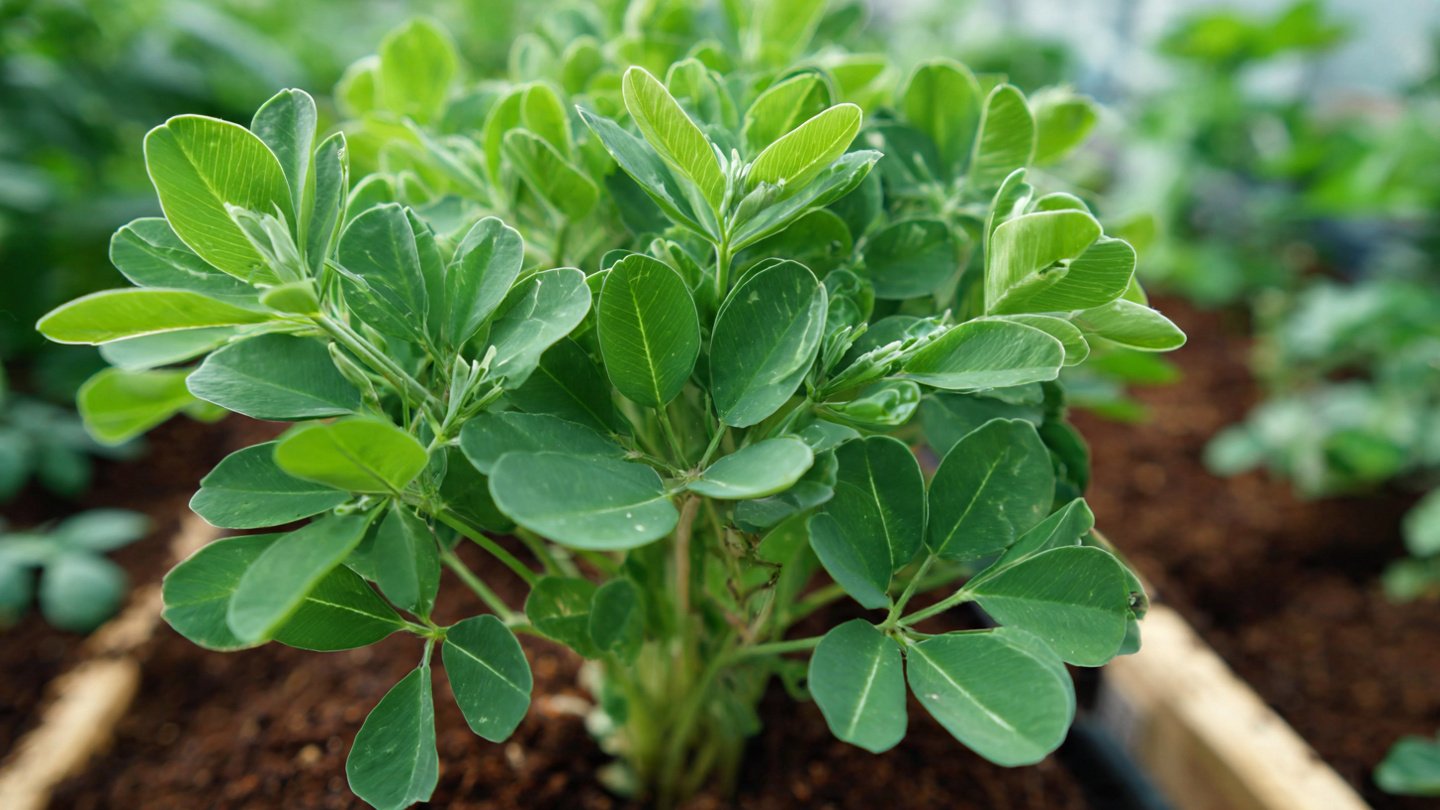
Fenugreek, also known as methi, is a versatile herb that has been cherished for centuries in cooking, medicine, and nutrition. With its slightly bitter, nutty flavor, it enhances a wide range of dishes—from curries and stews to salads and teas. Beyond its culinary appeal, fenugreek is rich in vitamins, minerals, and antioxidants, making it an excellent addition to any diet. The good news is that growing fenugreek at home is surprisingly easy, requires minimal space, and allows you to have fresh leaves and seeds for daily use. Here’s a detailed guide on how to cultivate your own fenugreek herb at home.
Step 1: Understanding Fenugreek
Before starting, it’s useful to understand what fenugreek needs to thrive. Fenugreek is an annual herb, meaning it completes its life cycle in one growing season. It grows best in warm conditions with plenty of sunlight and moderately fertile, well-drained soil. Although it can grow in soil outdoors, fenugreek is equally suitable for indoor cultivation, making it ideal for apartment kitchens or small patios.
Fenugreek can be harvested either for its tender green leaves, commonly used in cooking, or for its seeds, which are used as a spice. The leaves are ready in 2–3 weeks, while the seeds take longer, around 2–3 months. Growing your own ensures that the leaves are fresh, free from pesticides, and available whenever you need them.
Step 2: Gathering Materials
To grow fenugreek at home, you don’t need complicated equipment. Here’s what you’ll need:
- Fenugreek seeds – You can buy these from grocery stores, spice shops, or online. Organic seeds are preferable.
- Containers or pots – Fenugreek grows well in shallow trays or pots with good drainage holes. A container 4–6 inches deep works perfectly.
- Potting soil – Choose a light, well-draining mix. You can mix garden soil with compost or sand to improve drainage.
- Watering can or spray bottle – To gently water the seeds without displacing them.
- Sunlight or grow light – Fenugreek requires 4–6 hours of sunlight daily, or you can use a grow light indoors.
Step 3: Preparing the Seeds
Fenugreek seeds can benefit from soaking before planting, which speeds up germination. Here’s how I do it:
- Soak the seeds – Place the seeds in a bowl of water and let them soak for 6–8 hours or overnight. This softens the seed coat and encourages sprouting.
- Drain the seeds – After soaking, drain the water and rinse the seeds thoroughly. They are now ready to plant.
Step 4: Planting the Seeds
Planting fenugreek is straightforward, and even beginners can succeed with a few simple steps:
- Fill your container with soil – Leave about an inch of space at the top to water without overflow.
- Sow the seeds – Spread the seeds evenly across the soil surface. You can plant them about ¼ inch deep or lightly press them into the soil. There’s no need for precise spacing; fenugreek grows well even in dense arrangements.
- Cover lightly – Sprinkle a thin layer of soil over the seeds to cover them.
After planting, water gently with a spray bottle or watering can to moisten the soil without washing the seeds away.
Step 5: Germination and Early Care
Fenugreek seeds usually germinate within 2–5 days. Here’s how to care for them during this stage:
- Keep soil moist – The soil should remain consistently damp but not waterlogged. Overwatering can cause seeds to rot.
- Provide warmth – Fenugreek thrives at temperatures between 18–25°C (65–77°F). Indoors, a sunny windowsill works well. Outdoors, ensure the young plants are shielded from cold drafts.
- Light – Once sprouts appear, they require at least 4–6 hours of sunlight per day. If indoors, a grow light placed 6–8 inches above the plants helps ensure they grow strong and green.
After a week, you’ll notice tiny green leaves emerging. At this stage, the seedlings are delicate, so handle them carefully and avoid disturbing the roots.
Step 6: Thinning the Seedlings
Fenugreek tends to grow densely. When seedlings are about 1–2 inches tall, it’s a good idea to thin them to allow each plant enough space to grow. Use scissors or gently pull out excess seedlings, leaving about 2–3 inches between each plant. This ensures better airflow, reduces competition for nutrients, and prevents fungal issues.
Step 7: Ongoing Care and Maintenance
Fenugreek is a hardy herb, but a little care goes a long way. Here are key maintenance tips:
- Watering – Water the plants every 2–3 days, or when the soil feels dry to the touch. Avoid overwatering.
- Fertilization – Fenugreek doesn’t require heavy fertilization. A light dose of organic compost every 3–4 weeks is sufficient.
- Sunlight – Continue to provide ample sunlight or use a grow light. Sunlight is crucial for healthy, flavorful leaves.
- Pest management – Fenugreek is generally pest-resistant, but watch for aphids or fungus. A gentle spray of neem oil or soapy water can help if pests appear.
Step 8: Harvesting Leaves for Culinary Use
One of the joys of growing fenugreek at home is harvesting fresh leaves for your daily dishes.
- Timing – Leaves can be harvested when they are about 4–6 inches long, typically 2–3 weeks after germination.
- Method – Use scissors to snip the leaves, leaving the main stem intact. This allows the plant to continue growing and producing more leaves.
- Frequency – You can harvest leaves multiple times, trimming lightly each time. With proper care, a single batch of fenugreek can provide fresh leaves for weeks.
Fenugreek leaves are perfect for curries, parathas, soups, and even fresh salads. Their aroma is distinct, nutty, and slightly bitter, adding depth to any dish.
Step 9: Growing Fenugreek for Seeds
If you want to use fenugreek seeds as a spice, allow the plants to mature fully. Here’s what to do:
- Flowering – Fenugreek plants will flower in 6–8 weeks. Small white or pale pink flowers appear, which eventually develop into pods.
- Pod development – The pods take about 2–3 weeks to mature. They turn yellowish-brown when ready to harvest.
- Harvesting seeds – Once the pods dry, break them open and collect the seeds. These can be stored in an airtight container for months and used as a spice or for further planting.
Step 10: Indoor vs. Outdoor Cultivation
Fenugreek can be grown both indoors and outdoors, depending on your space and climate:
- Indoors – Ideal for apartments or colder climates. Use pots or trays near sunny windows. Rotate the containers occasionally to ensure even sunlight.
- Outdoors – Works best in warm, sunny areas. Fenugreek tolerates heat and moderate drought, making it suitable for balconies, gardens, or raised beds.
Indoor cultivation is especially convenient for daily culinary use, as you can snip fresh leaves whenever needed.
Step 11: Common Mistakes to Avoid
Growing fenugreek is easy, but beginners often make these mistakes:
- Overwatering – Too much water can rot seeds and roots. Keep soil moist but not soggy.
- Lack of sunlight – Fenugreek becomes leggy and weak without sufficient light.
- Harvesting too aggressively – Cutting all leaves at once can stunt growth. Harvest gradually.
- Planting too deep – Seeds need only a light layer of soil to sprout.
Avoiding these pitfalls ensures a healthy, productive fenugreek plant.
Step 12: Enjoying Fresh Fenugreek Daily
Once established, growing fenugreek at home becomes a rewarding routine. Fresh leaves can be added to your cooking directly from the plant, while seeds provide a powerful, aromatic spice for soups, sauces, and spice blends. Fenugreek also has numerous health benefits, including aiding digestion, supporting blood sugar regulation, and providing essential vitamins like A, C, and K.
By growing your own fenugreek, you not only enhance your culinary creations but also cultivate a small, sustainable herb garden right in your kitchen. The satisfaction of harvesting your own fresh herbs daily is unmatched, and it brings a sense of self-sufficiency and connection to your food that store-bought herbs cannot match.
Conclusion
Growing fenugreek at home is surprisingly simple and rewarding. From soaking seeds to harvesting fresh leaves, each step is straightforward, requires minimal space, and offers immediate benefits for your kitchen and health. With patience and a little care, you can enjoy a steady supply of this versatile herb for daily culinary use.
Whether you are an aspiring home gardener, a cooking enthusiast, or someone interested in natural, fresh ingredients, fenugreek is an excellent choice. It grows quickly, requires little maintenance, and adds flavor, nutrition, and beauty to your home. Start today, and in a few weeks, you’ll be enjoying your own fresh fenugreek leaves straight from your kitchen garden—an experience that is both satisfying and nourishing.