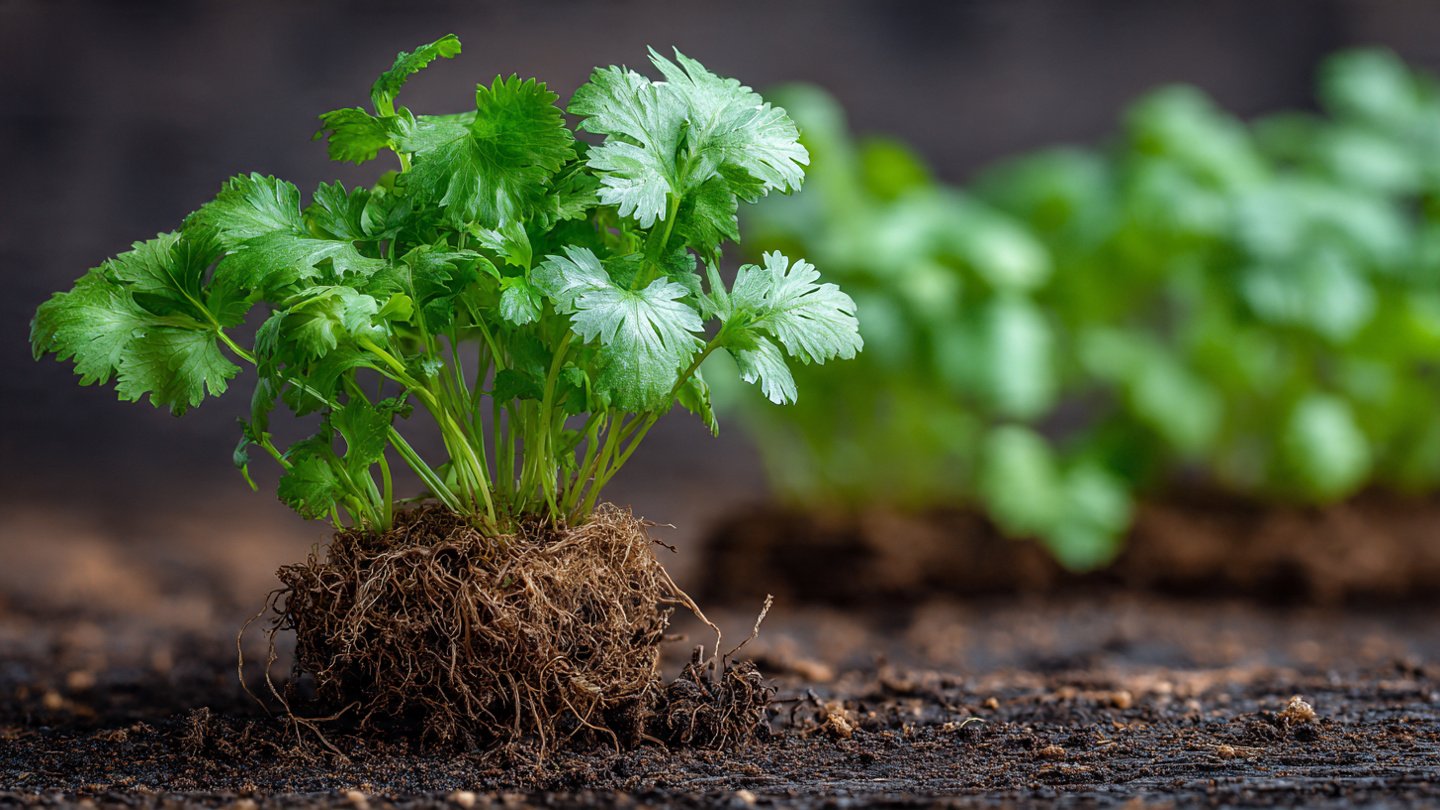
Coriander (Coriandrum sativum), also known as cilantro, is a beloved herb in kitchens worldwide. Its fresh leaves add a bright, citrusy flavor to salads, curries, chutneys, and salsas, while its seeds are used as a spice in cooking and baking. Growing lush coriander plants at home is not only rewarding but also ensures a constant supply of fresh, aromatic greens for your dishes. With the right care and techniques, even beginners can enjoy thriving coriander plants throughout the year.
This guide explores simple methods to grow coriander at home, covering everything from soil preparation and sowing to watering, harvesting, and pest management.
Why Grow Coriander at Home?
Coriander is more than just a flavorful herb. Growing it at home offers several benefits:
- Freshness: Homegrown coriander tastes better than store-bought leaves, which often wilt quickly.
- Continuous Supply: Regular sowing allows for a steady harvest.
- Cost-Effective: Saves money compared to buying fresh herbs frequently.
- Health Benefits: Rich in antioxidants, vitamins A, C, and K, and minerals such as potassium and manganese.
- Sustainability: Reduces packaging waste and carbon footprint compared to store-bought herbs.
Whether you have a small balcony, windowsill, or backyard garden, coriander can be grown successfully in containers or garden beds.
Choosing the Right Variety
Several coriander varieties are suitable for home gardening:
- Santos: Fast-growing, vigorous, and disease-resistant.
- Calypso: Compact and suitable for container gardening.
- Leisure: High-yielding and tolerant to warmer climates.
Select a variety based on your climate, available space, and whether you want to harvest mainly leaves, seeds, or both.
Selecting the Perfect Location
Coriander prefers:
- Sunlight: 4–6 hours of direct sunlight per day. Partial shade is acceptable in hot climates.
- Temperature: Cool weather is ideal. Coriander bolts (flowers prematurely) in high heat.
- Protection: Choose a location sheltered from strong winds, which can damage delicate leaves.
For indoor growth, a bright windowsill or under a grow light works well. Outdoors, raised beds or pots in sunny spots are ideal.
Preparing the Soil
Coriander thrives in well-draining, fertile soil. Prepare the soil as follows:
- Mix garden soil with compost or well-rotted organic matter to improve fertility.
- Ensure a slightly acidic to neutral pH (6.2–7.0).
- Remove stones, weeds, and debris for unobstructed root growth.
- Lightly loosen the soil to a depth of 6–8 inches to encourage strong roots.
Good soil preparation ensures lush, healthy plants and reduces the risk of disease.
Sowing Coriander Seeds
Coriander can be grown from seeds, and the process is straightforward:
- Soak Seeds (Optional): Soak seeds in water for 12–24 hours to speed up germination.
- Sowing Depth: Plant seeds about ¼–½ inch deep in the soil.
- Spacing: Sow seeds 1–2 inches apart; thin seedlings later to 4–6 inches.
- Containers: Use shallow pots or trays with good drainage if growing indoors.
Coriander seeds germinate in 7–14 days, depending on temperature and moisture.
Watering and Moisture Management
Proper watering is crucial for healthy coriander growth:
- Keep Soil Moist: Water regularly to maintain consistent soil moisture, but avoid waterlogging.
- Mulch: Apply a thin layer of organic mulch to retain moisture and suppress weeds.
- Humidity: Moderate humidity levels help prevent leaf drying and stress.
Coriander has shallow roots, so frequent, light watering is often better than infrequent heavy watering.
Fertilization for Lush Growth
Coriander benefits from light, regular feeding:
- Organic Fertilizers: Compost, vermicompost, or liquid seaweed extracts provide nutrients without burning the plants.
- Balanced Fertilizer: Use a low-nitrogen, high-phosphorus fertilizer if needed to encourage root and leaf growth.
- Avoid Overfertilizing: Excess nitrogen can cause rapid leaf growth but may reduce flavor intensity.
Fertilization every 2–3 weeks supports continuous growth and vibrant green leaves.
Pruning and Harvesting
Regular pruning encourages bushier plants and prevents bolting:
- Cut Leaves: Harvest outer leaves first, leaving the inner leaves to continue growing.
- Pinch Flower Buds: Remove early flower buds to extend the leaf-harvesting period.
- Timing: Harvest in the morning when leaves are most flavorful.
- Seed Harvest: Allow some plants to flower and mature seeds for culinary use.
Frequent harvesting promotes new growth, ensuring a steady supply of fresh coriander.
Preventing Bolting
Coriander is prone to bolting in hot weather. To minimize premature flowering:
- Sow Successive Crops: Sow seeds every 2–3 weeks for a continuous supply.
- Provide Shade: Use shade cloth or place pots where they receive morning sun and afternoon shade.
- Keep Soil Moist: Consistent watering reduces stress, which can trigger bolting.
- Choose Slow-Bolting Varieties: Some varieties are bred to resist bolting in warmer conditions.
By managing temperature and growth conditions, you can enjoy coriander leaves for longer periods.
Pest and Disease Management
Common pests affecting coriander include aphids, whiteflies, and spider mites. To manage them:
- Spray plants with a mild solution of water and neem oil.
- Encourage natural predators such as ladybugs.
- Remove infested leaves promptly.
Diseases such as powdery mildew can be prevented with proper spacing, adequate airflow, and avoiding overhead watering.
Growing Coriander Indoors
For home gardeners with limited space, coriander thrives indoors in containers:
- Use pots with drainage holes and good-quality potting mix.
- Place near a sunny window or under LED grow lights for 4–6 hours daily.
- Rotate pots for even light exposure.
- Harvest leaves regularly to encourage bushy growth.
Indoor cultivation provides fresh coriander year-round, even in colder months.
Tips for Maximum Yield
- Succession Planting: Sow seeds every 2–3 weeks to maintain a continuous harvest.
- Companion Planting: Grow coriander near tomatoes, peppers, or spinach to repel pests naturally.
- Container Gardening: Use deep pots to encourage strong root systems.
- Cleanliness: Remove dead leaves and debris to prevent fungal infections.
Following these simple practices ensures that your coriander plants remain lush and productive.
Culinary Uses
Fresh coriander leaves can be used in a wide range of dishes:
- Garnish for curries, soups, and stews
- Chutneys, salsas, and salads
- Flavoring for rice and grain dishes
- Blended into smoothies or sauces
Seeds harvested from mature plants can be dried and used as a spice for baking, pickling, and cooking.
Final Thoughts
Growing lush coriander plants at home is both simple and rewarding. With proper selection of varieties, well-prepared soil, consistent watering, adequate sunlight, and regular harvesting, even beginners can enjoy a thriving coriander garden.
By following these simple methods—soaking seeds, ensuring proper spacing, pruning, managing pests, and succession planting—you can maintain a steady supply of fresh, aromatic coriander for all your culinary needs.