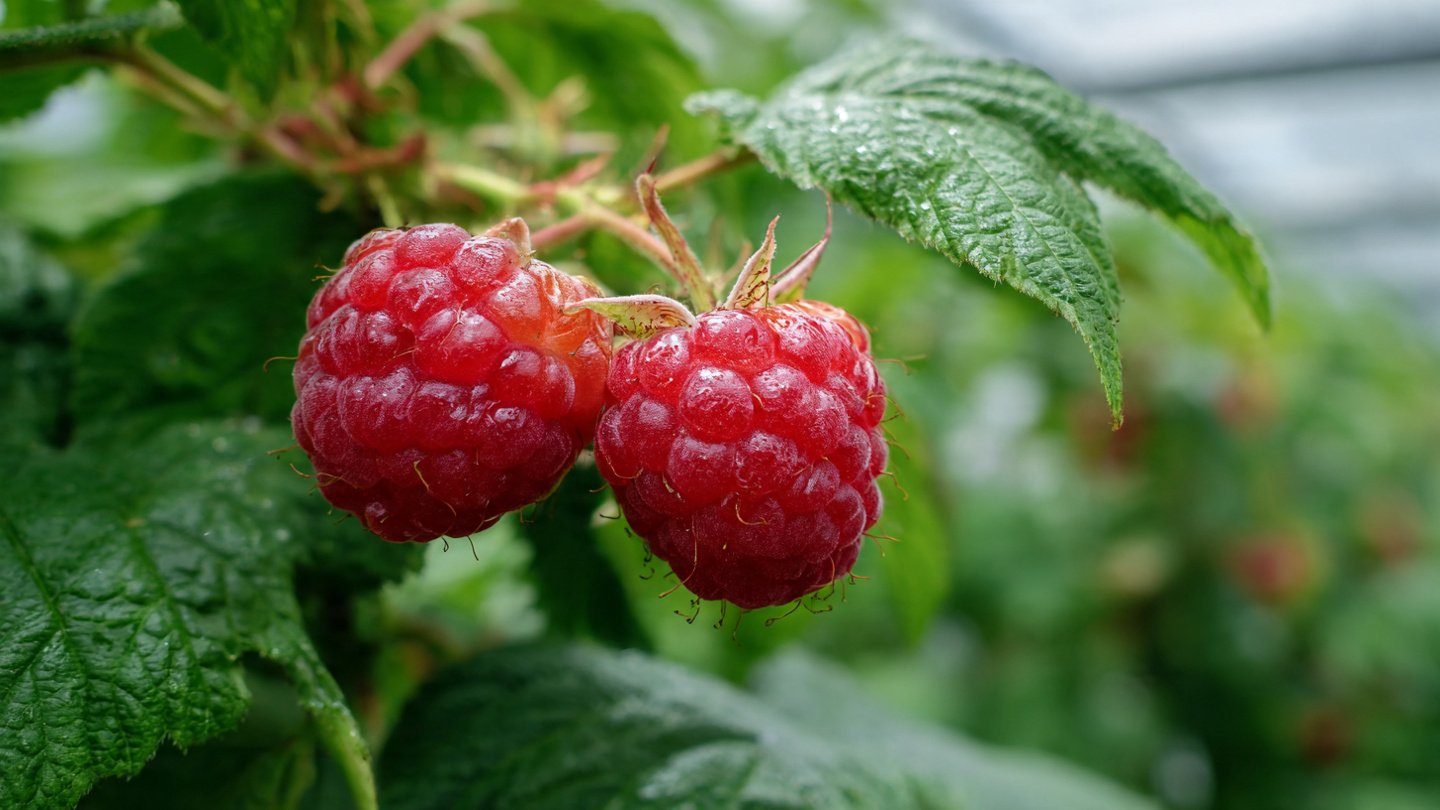
Raspberries are among the most popular fruits for home gardeners due to their sweet, tangy flavor and versatile culinary uses. While purchasing seedlings or young plants is common, one of the most effective and cost-efficient ways to cultivate raspberries is through root propagation. This technique allows gardeners to grow strong, healthy plants that are genetically identical to the parent plant and ensures higher survival rates.
This guide provides a step-by-step approach to propagating raspberries from roots, tips for successful cultivation, and insights on maintaining a productive raspberry patch.
Why Choose Root Propagation for Raspberries?
Root propagation, also called vegetative propagation, involves growing new plants from a parent plant’s root system rather than from seeds. The advantages include:
- Genetic Consistency: The new plant is identical to the parent, maintaining desirable traits like fruit quality and disease resistance.
- Faster Fruiting: Root-propagated raspberries establish more quickly and produce fruit sooner than seed-grown plants.
- Cost-Effective: Multiply existing plants without purchasing new seedlings.
- Resilience: Plants propagated from healthy roots are often stronger and more resistant to environmental stress.
Root propagation is particularly suitable for gardeners who want to expand their raspberry patch with reliable, high-quality plants.
Step 1: Selecting Healthy Parent Plants
The success of root propagation depends heavily on choosing a healthy parent plant. When selecting a raspberry plant for root cuttings, consider:
- Vigor: Choose a plant with strong growth and abundant canes.
- Disease-Free: Avoid plants showing signs of fungal infections, pests, or nutrient deficiencies.
- Fruit Quality: Select plants with the best-tasting and well-formed berries to maintain desirable traits.
Healthy parent plants produce strong roots and ensure that new plants thrive.
Step 2: Preparing for Root Harvesting
Raspberry roots suitable for propagation are usually taken from dormant plants in late winter or early spring before new growth begins.
Steps for preparation:
- Dig Carefully: Loosen the soil around the base of the parent plant to expose the roots without damaging them.
- Select Roots: Choose healthy, pencil-thick roots that are firm, unblemished, and free from rot.
- Cut Sections: Cut root sections approximately 4–6 inches long, each with at least one bud or node if possible.
- Handle Gently: Avoid excessive handling to prevent damage and stress to the roots.
Prepared roots provide the foundation for new, vigorous raspberry plants.
Step 3: Root Treatment Before Planting
Before planting, treating the roots helps improve success rates:
- Trimming: Trim damaged or excessively long roots to encourage new growth.
- Hormone Treatment: Optional use of rooting hormones can stimulate root development and enhance early growth.
- Hydration: Keep roots moist in a damp cloth or container until planting to prevent drying.
Proper preparation ensures roots develop into strong plants quickly.
Step 4: Planting Raspberry Roots
Planting is a critical step for successful propagation:
- Choose the Right Site: Select a location with full sun and well-draining soil. Raspberries prefer slightly acidic soil with a pH of 5.5–6.5.
- Soil Preparation: Incorporate compost or well-rotted manure to enrich the soil. Loosen soil to at least 12 inches deep.
- Planting Depth: Place roots horizontally in shallow trenches about 2–3 inches deep, spreading roots evenly.
- Spacing: Space roots 18–24 inches apart for proper growth, and maintain 3–4 feet between rows for airflow and ease of maintenance.
- Covering: Backfill the trench with soil and gently firm it around the roots. Water thoroughly after planting.
Correct planting technique ensures optimal root-to-soil contact and promotes rapid establishment.
Step 5: Watering and Mulching
Watering and soil care are vital for the survival of newly propagated raspberries:
- Watering: Keep soil consistently moist but not waterlogged, especially during the first few weeks after planting.
- Mulching: Apply 2–3 inches of organic mulch such as straw, leaves, or compost to retain moisture, suppress weeds, and regulate soil temperature.
Proper hydration encourages root growth and prepares the plant for vigorous above-ground development.
Step 6: Supporting Early Growth
Raspberry plants benefit from support as they grow:
- Trellis or Stakes: Erect supports to prevent canes from bending or breaking as they develop.
- Pruning: Remove weak shoots and damaged leaves to direct energy toward strong canes and root establishment.
- Fertilization: Use a balanced fertilizer after roots begin producing new shoots to encourage healthy growth.
Strong support systems and early care set the stage for a productive raspberry patch.
Step 7: Monitoring for Pests and Diseases
Even well-prepared root-propagated plants are susceptible to pests and diseases. Regular monitoring is essential:
- Aphids and Spider Mites: Inspect leaves and treat with insecticidal soap or neem oil if necessary.
- Fungal Diseases: Ensure good air circulation and avoid overhead watering to prevent mildew and rust.
- Rodents and Soil Pests: Protect roots with physical barriers or organic deterrents.
Prompt action maintains plant health and avoids setbacks in growth and fruiting.
Step 8: Pruning and Training for Optimal Production
Pruning is crucial for high yields:
- First Year: Focus on root establishment and minimal pruning. Remove weak or crowded shoots.
- Subsequent Years: Follow a two-year cane system (common for raspberries) where fruiting canes are pruned after harvest, and new canes are trained for the next season.
- Tying Canes: Use twine or garden clips to secure canes to the trellis for stability and better sunlight exposure.
Proper pruning and training maximize fruit production and keep plants manageable.
Step 9: Harvesting Raspberries
Root-propagated raspberry plants generally produce fruit within the first or second year, depending on the variety.
- Timing: Harvest when berries are fully colored, soft, and easily detached from the cane.
- Frequency: Pick regularly to encourage continuous production.
- Handling: Handle berries gently to prevent bruising and maximize shelf life.
Consistent harvesting ensures a steady supply of sweet, flavorful raspberries.
Step 10: Expanding Your Raspberry Patch
Once you master root propagation, you can expand your raspberry garden efficiently:
- Take additional root cuttings from healthy, established plants.
- Rotate planting locations to prevent soil-borne diseases.
- Interplant with companion crops like lettuce, spinach, or herbs to optimize garden space.
By multiplying plants from roots, you can grow a large, productive raspberry patch without buying new seedlings.
Tips for Successful Root Propagation
- Choose Healthy Parent Plants: Strong roots and canes produce vigorous offspring.
- Maintain Moisture: Avoid drying roots before planting.
- Use Trellises: Support growth and improve air circulation.
- Fertilize Wisely: Match nutrient application to growth stage.
- Regular Observation: Early detection of pests and diseases prevents major problems.
Following these tips ensures that your raspberry propagation efforts result in a thriving, high-yield garden.
Advantages of Root-Propagated Raspberries
- Genetic Uniformity: Plants retain the parent’s best traits.
- Faster Fruiting: Produces berries sooner than seed-grown plants.
- Cost-Effective: Expand your garden without purchasing new plants.
- Vigor and Resilience: Strong, healthy roots improve survival and stress tolerance.
- Easy Maintenance: Once established, plants require minimal care aside from regular pruning and harvesting.
Conclusion
Growing raspberries from root propagation is a rewarding and effective way to cultivate this delicious fruit. By selecting healthy parent plants, carefully preparing and planting roots, providing proper care, and training the vines on trellises, gardeners can enjoy a productive, thriving raspberry patch.
Root propagation not only saves money but also ensures strong, healthy plants with consistent fruit quality. With attention to soil health, watering, fertilization, and pest management, your root-propagated raspberries can flourish for many seasons, providing fresh, sweet berries for your family, friends, and even for sale.
Following this step-by-step guide to root propagation guarantees success and allows gardeners to fully harness the potential of this delightful fruit.