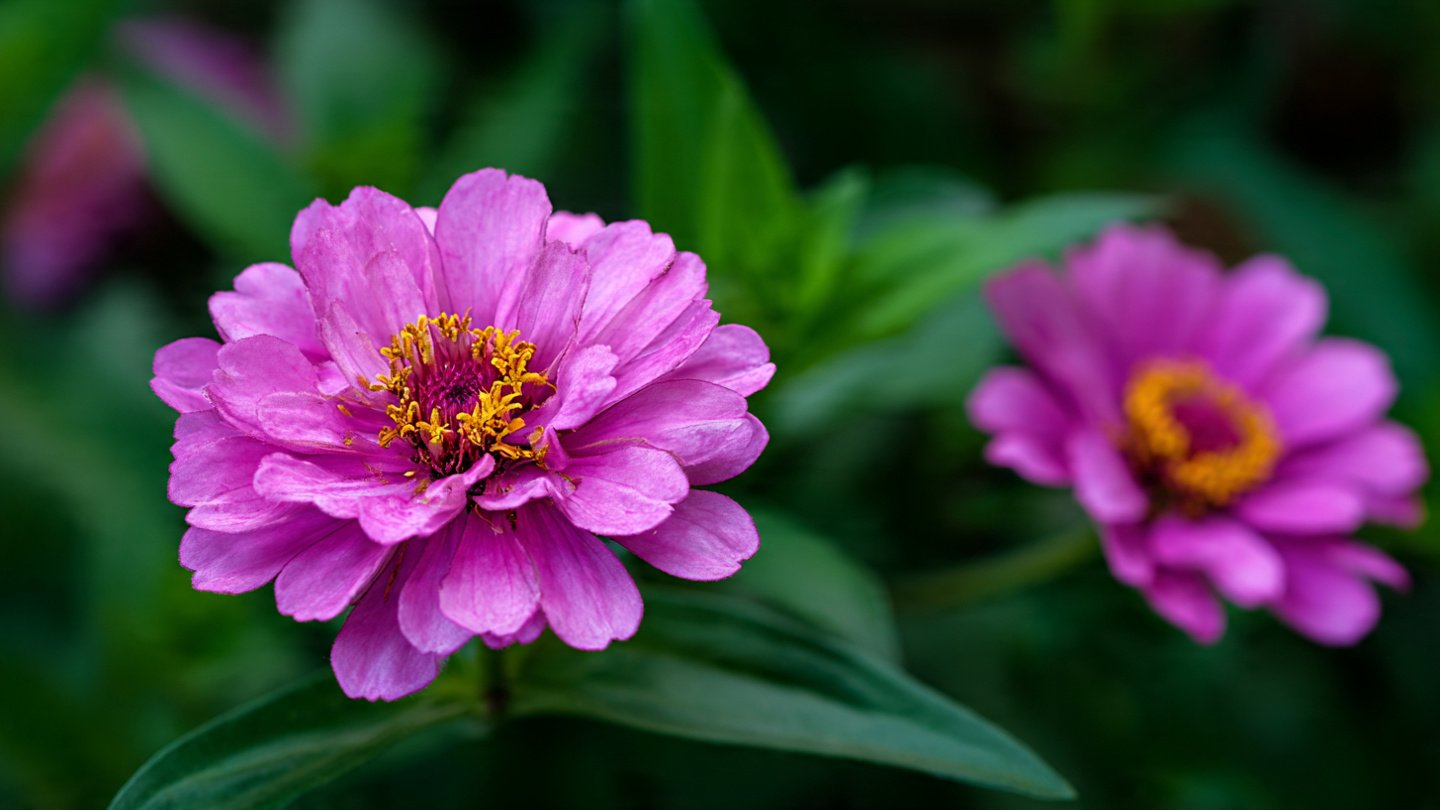
Zinnias are vibrant, hardy, and low-maintenance flowers that can instantly brighten any garden. Known for their bold colors, long-lasting blooms, and ability to attract pollinators, zinnias are perfect for both beginner and experienced gardeners. If your goal is to grow lush, bushy zinnia plants that fill your garden with abundant flowers, it’s important to understand the right techniques for planting, watering, fertilization, pruning, and care.
This guide provides step-by-step instructions to help you cultivate healthy, thriving zinnias that bloom profusely throughout the growing season.
Understanding Zinnia Growth
Zinnias are annual plants, which means they complete their life cycle within one growing season. They are native to Mexico and thrive in warm, sunny climates. Zinnias are known for their upright growth, bright daisy-like flowers, and wide range of colors—from pink, red, orange, and yellow to white and bi-color varieties.
To grow lush, bushy zinnia plants, gardeners need to focus on:
- Providing full sunlight
- Proper spacing for airflow
- Nutrient-rich soil
- Regular deadheading and pruning
Following these techniques ensures healthy foliage, stronger stems, and more abundant blooms.
Step 1: Choosing the Right Zinnia Varieties
Zinnias come in several varieties, and choosing the right type can influence the bushiness and bloom density:
Popular Varieties for Bushy Growth:
- Zinnia elegans (Dahlia-flowered): Compact, bushy plants with large flowers
- Zinnia ‘Thumbelina’: Petite, compact variety ideal for small gardens or containers
- Zinnia ‘State Fair’ or ‘Benary’s Giant’: Produces large blooms on strong, upright plants
- Zinnia angustifolia (Narrow-leaf Zinnia): Smaller flowers but dense, spreading growth
Selecting varieties that naturally grow compact and bushy makes it easier to achieve a garden full of flowers with minimal effort.
Step 2: Preparing the Soil
Healthy zinnias require well-draining soil with adequate fertility. Poor soil can result in leggy plants with fewer flowers.
Soil Preparation Tips:
- Choose a location with full sun (6–8 hours per day)
- Loosen the soil to a depth of 12–15 inches to encourage root penetration
- Incorporate organic matter such as compost or well-rotted manure to improve fertility
- Maintain a soil pH of 5.5–7.0 for optimal nutrient absorption
A nutrient-rich, well-draining soil foundation supports lush growth and vibrant blooms.
Step 3: Planting Zinnia Seeds or Seedlings
Zinnias can be grown directly from seeds or transplanted as seedlings.
Direct Seeding:
- Sow seeds ¼–½ inch deep in prepared soil
- Space seeds 6–12 inches apart for compact varieties; 12–18 inches for larger types
- Thin seedlings to avoid overcrowding, which can hinder bushy growth
Transplanting Seedlings:
- Space seedlings appropriately to allow airflow and sunlight penetration
- Water seedlings immediately after transplanting to reduce stress
Proper planting density encourages strong, bushy growth and prevents competition for nutrients.
Step 4: Watering for Lush Growth
Consistent moisture is key for zinnias, but overwatering can lead to disease and weak stems.
Watering Guidelines:
- Water deeply once or twice a week depending on rainfall
- Avoid wetting foliage; water at the soil level to reduce the risk of powdery mildew
- Mulch around the base to retain moisture and regulate soil temperature
Regular watering encourages robust growth, while proper drainage prevents root rot and other issues.
Step 5: Fertilization for Bushiness
Feeding zinnias helps promote both foliage and flower development.
Fertilizer Tips:
- Use a balanced fertilizer (10-10-10 NPK) at planting
- Supplement with a liquid fertilizer every 3–4 weeks during the growing season
- Avoid excessive nitrogen, which can cause leafy growth at the expense of flowers
Balanced nutrition supports compact, bushy plants that produce more blooms.
Step 6: Pruning and Deadheading
Pruning is one of the most effective ways to encourage bushy growth in zinnias.
Techniques:
- Pinch off the tips of young plants once they reach 4–6 inches to encourage branching
- Remove spent flowers (deadheading) regularly to stimulate new blooms
- Trim any weak or leggy stems to direct energy to healthy growth
Regular maintenance leads to denser, more vigorous plants with continuous flowering.
Step 7: Controlling Pests and Diseases
Zinnias are generally hardy, but they can face common garden pests and diseases:
Common Pests:
- Aphids
- Spider mites
- Whiteflies
Common Diseases:
- Powdery mildew
- Leaf spot
Prevention:
- Provide good airflow between plants to reduce humidity
- Water at the base of the plant rather than overhead
- Apply natural insecticides like neem oil for minor infestations
Healthy plants not only grow bushier but also produce higher-quality blooms.
Step 8: Supporting Tall Varieties
Some zinnia varieties grow tall and may need support to prevent flopping, especially after rain.
Support Techniques:
- Use stakes or bamboo sticks to support stems
- Plant in clusters to provide natural support through neighboring plants
- Trim excessively tall stems to maintain compact, bushy growth
Proper support ensures flowers remain upright, making the garden look fuller and more vibrant.
Step 9: Encouraging Continuous Blooms
For a lush garden, zinnias should bloom continuously throughout the season.
Tips for Continuous Flowering:
- Remove spent flowers promptly to stimulate new buds
- Fertilize lightly every 3–4 weeks
- Maintain consistent sunlight and moisture levels
By following these practices, your zinnia plants will produce vibrant blooms from early summer through fall.
Step 10: Companion Planting
Planting zinnias alongside other flowers or vegetables can enhance garden health and appearance:
- Attract pollinators such as bees and butterflies
- Provide natural pest control by attracting beneficial insects
- Combine with low-maintenance plants like marigolds or cosmos for colorful borders
Companion planting encourages healthy growth while adding visual interest to your garden.
Conclusion
Growing lush and bushy zinnias is achievable for gardeners of all skill levels. By selecting the right varieties, preparing nutrient-rich soil, planting properly, and following consistent watering, fertilization, pruning, and pest management practices, you can enjoy a vibrant garden filled with abundant blooms.
Zinnias are perfect for adding color, attracting pollinators, and creating a cheerful atmosphere in any garden space. With minimal effort and proper care, these hardy, beautiful flowers can transform your garden into a lively and flourishing floral display, season after season.