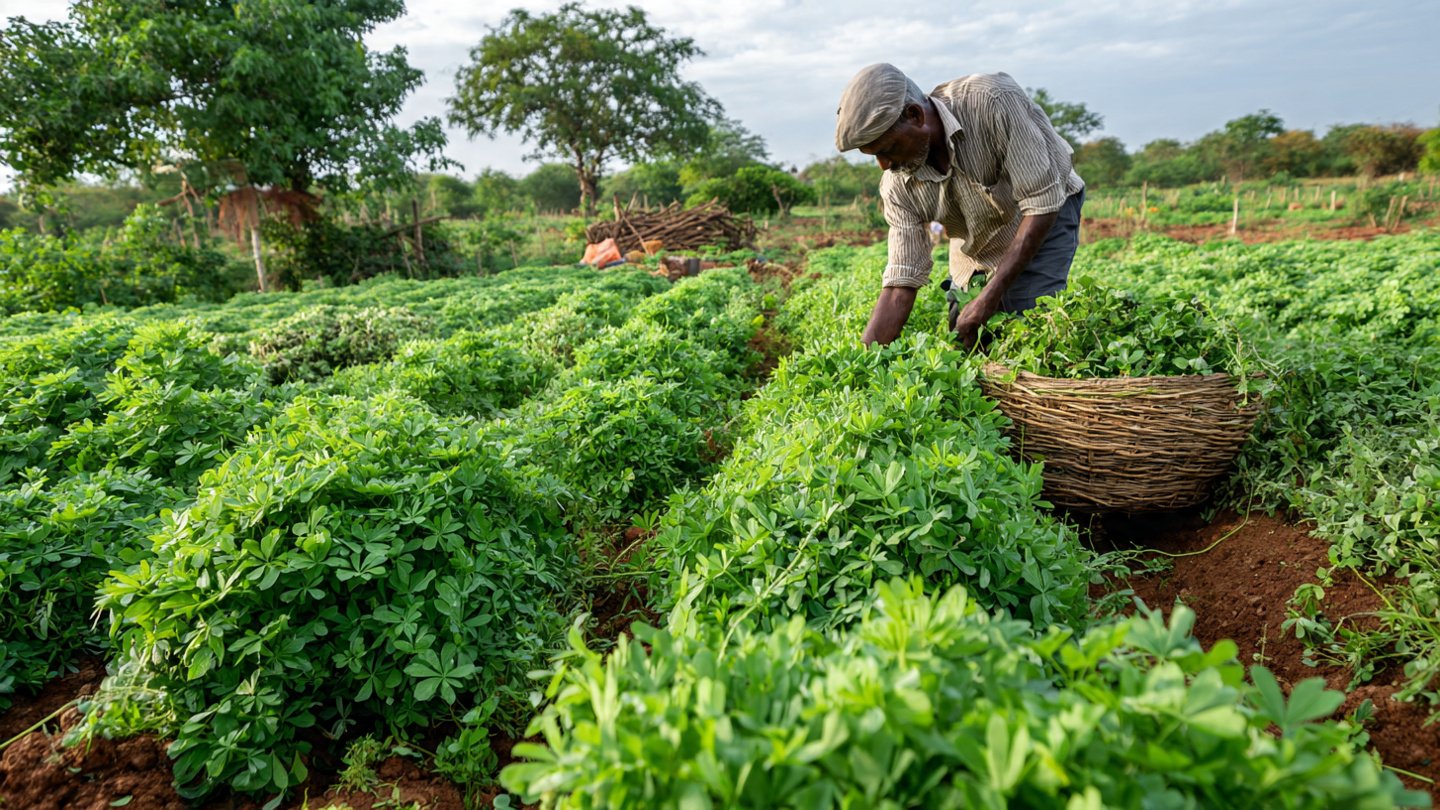
Methi, also known as fenugreek (Trigonella foenum-graecum), is a versatile herb widely used in Indian, Middle Eastern, and Mediterranean cuisines. Its bright green leaves add a unique, slightly bitter flavor to curries, parathas, salads, and even smoothies. Growing methi at home not only guarantees fresh, flavorful leaves but also ensures chemical-free harvests year-round.
However, one common challenge gardeners face is premature flowering, which reduces leaf production and changes the taste of the plant. Fenugreek is a fast-growing plant that, if allowed to flower too soon, diverts energy from leaf growth to seed production. To cultivate methi successfully for leafy harvests, gardeners need to manage planting, watering, pruning, and environmental conditions carefully. This guide provides detailed, step-by-step strategies to maximize leaf yield while keeping flowering at bay.
Understanding Methi Growth Patterns
Methi is an annual herb that completes its life cycle in about 2–3 months under ideal conditions. Its growth is divided into two main phases:
- Leafy Phase: The plant focuses on producing lush green leaves, which are edible and flavorful.
- Flowering Phase: The plant develops small white or yellow flowers, eventually producing seeds. Energy shifts from leaf growth to flower and seed formation, reducing the quantity and quality of leaves for culinary use.
Understanding this natural growth cycle is critical for gardeners who aim for continuous leaf harvests. By managing planting schedules and environmental factors, you can extend the leafy phase and prevent premature flowering.
Selecting the Right Seeds
The first step to a successful leafy methi harvest is choosing the right seeds. Not all fenugreek varieties are optimized for leaf production. Some are bred primarily for seeds, which may flower quickly.
- Leafy Varieties: Look for varieties labeled “leafy methi” or “green fenugreek.” These tend to produce larger leaves and have a slower flowering habit. Examples include ‘Kasuri Methi’ and ‘Pusa Leafy Methi’.
- Fresh Seeds: Always use fresh seeds, as old seeds may have reduced germination rates and may produce plants that bolt (flower prematurely).
Quality seed selection sets the foundation for a productive, leaf-focused harvest.
Choosing the Right Container or Garden Bed
Methi can be grown both in garden beds and containers. Both methods can produce bountiful leafy harvests if proper soil and space conditions are maintained:
- Containers: Use pots or trays at least 6–8 inches deep to allow healthy root growth. Containers are ideal for urban gardeners or those with limited space. Ensure drainage holes are present to prevent waterlogging, which can stress the plant and encourage flowering.
- Garden Beds: Choose a sunny location with well-draining soil. Raised beds are excellent for preventing water stagnation and soil compaction.
Fenugreek prefers loamy, fertile soil with a neutral pH (6.0–7.0). Incorporate compost or well-rotted organic matter to supply nutrients and retain moisture without becoming soggy.
Optimal Planting Techniques
Correct planting is essential to ensure rapid leaf growth while delaying flowering:
- Sowing Depth: Sow methi seeds about ½ inch deep. Seeds buried too deep may struggle to germinate, while shallow planting can cause drying.
- Spacing: For leafy harvests, sow seeds closely together, around 1–2 inches apart. Dense planting encourages lush, tender leaves. Avoid wide spacing, which may promote tall growth and early flowering.
- Succession Planting: To enjoy continuous harvests, plant new seeds every 2–3 weeks. This ensures a constant supply of tender leaves even if older plants begin to flower.
Watering for Leafy Growth
Watering plays a critical role in fenugreek leaf production:
- Consistent Moisture: Keep the soil evenly moist but not waterlogged. Stress from drought can trigger early flowering as the plant attempts to reproduce.
- Avoid Overwatering: Excess water leads to root rot and can weaken plants, making them more prone to bolting.
- Mulching: Apply a thin layer of straw or organic mulch to retain soil moisture and moderate temperature fluctuations. This encourages steady leaf growth.
Regular monitoring of soil moisture ensures your plants remain in the leafy phase longer.
Light and Temperature Requirements
Methi thrives in full sunlight, which promotes robust leaf growth. However, extreme heat can cause premature flowering:
- Ideal Temperature: 18–27°C (65–80°F) is perfect for leafy growth. Temperatures above 30°C may stress the plant and trigger bolting.
- Partial Shade: In hotter climates, providing partial shade during the afternoon can reduce stress and prolong the leafy phase.
- Indoor Cultivation: For indoor gardeners, place containers in a sunny windowsill or use a grow light for 6–8 hours daily.
Proper light and temperature management keeps your plants tender and prevents early flowering.
Fertilization for Leaf Production
Methi benefits from light, regular feeding to maximize leafy growth:
- Nitrogen-Rich Fertilizers: Nitrogen promotes lush, green leaves. Use organic sources such as compost tea, vermicompost, or diluted liquid manure.
- Balanced Fertilization: Avoid excessive phosphorus or potassium, which can stimulate flowering and seed production.
- Frequency: Feed every 2–3 weeks during active growth. Over-fertilization can make plants leggy, leading to increased risk of bolting.
By supplying the right nutrients, your methi plants remain healthy and productive for longer periods.
Pruning and Harvesting Techniques
Regular pruning encourages new leaf growth and prevents flowering:
- Early Harvesting: Begin harvesting leaves when the plant reaches 4–6 inches in height. Pick the outer leaves first, leaving the inner leaves to continue growing.
- Cut-and-Come-Again: Use scissors or a sharp knife to trim leaves instead of uprooting the plant. This encourages multiple flushes of new growth.
- Avoid Flower Buds: If flower buds appear, pinch them off immediately. Flowering diverts energy from leaf production, reducing the quality and quantity of the harvest.
Frequent harvesting and pruning keep plants focused on leafy growth rather than reproduction.
Pest and Disease Management
Healthy plants produce more leaves and are less likely to flower prematurely. Keep pests and diseases in check with the following practices:
- Common Pests: Aphids, leaf miners, and caterpillars can damage leaves and stress plants. Use organic insecticidal sprays, neem oil, or introduce beneficial insects like ladybugs.
- Fungal Diseases: Powdery mildew or root rot can occur in humid or poorly drained conditions. Ensure proper spacing, sunlight, and drainage to minimize risks.
- Hygiene: Remove dead or yellowing leaves promptly to prevent the spread of diseases.
Preventing plant stress through proper care reduces the likelihood of bolting.
Extending the Leafy Phase
Several strategies help keep methi in the leafy stage for longer:
- Succession Planting: Plant new seeds every 2–3 weeks to ensure a continuous supply of tender leaves.
- Staggered Harvesting: Harvest outer leaves first while leaving the central shoot intact. This keeps the plant growing rather than focusing on flowering.
- Stress Management: Avoid overwatering, extreme heat, or nutrient imbalances, all of which can trigger early flowering.
- Flower Pinching: Regularly inspect plants and remove any emerging flower buds to redirect energy back to leaf growth.
By combining these techniques, gardeners can enjoy multiple harvests from the same plant, maximizing productivity.
Using Homegrown Methi Leaves
Freshly harvested methi leaves can be used immediately or stored for short periods:
- Immediate Use: Rinse leaves gently, pat dry, and use in curries, parathas, or salads. Fresh leaves have a stronger aroma and flavor than store-bought options.
- Short-Term Storage: Store leaves in the refrigerator in a sealed container with a paper towel to absorb excess moisture. They remain fresh for up to 3–5 days.
- Freezing: Blanch leaves for 1–2 minutes, drain, and freeze in airtight bags for long-term use.
Homegrown methi ensures superior flavor, tenderness, and nutritional value, enhancing every dish.
Conclusion
Growing methi for leafy harvests requires a balance of proper seed selection, optimal soil and watering, nutrient management, and careful harvesting practices. By understanding the plant’s growth patterns and implementing strategies to delay flowering, gardeners can enjoy tender, flavorful leaves for weeks or even months.
Key takeaways include:
- Choose leafy varieties and fresh seeds for the best results.
- Provide well-draining soil, consistent moisture, and full sun.
- Fertilize lightly with nitrogen-rich organic sources.
- Harvest regularly using the cut-and-come-again method.
- Pinch off flower buds to redirect energy to leaves.
With patience and attentive care, methi can become a reliable source of nutritious, aromatic leaves, perfect for parathas, curries, and salads. Homegrown methi not only elevates your cooking but also provides the satisfaction of cultivating a flavorful herb from seed to plate.