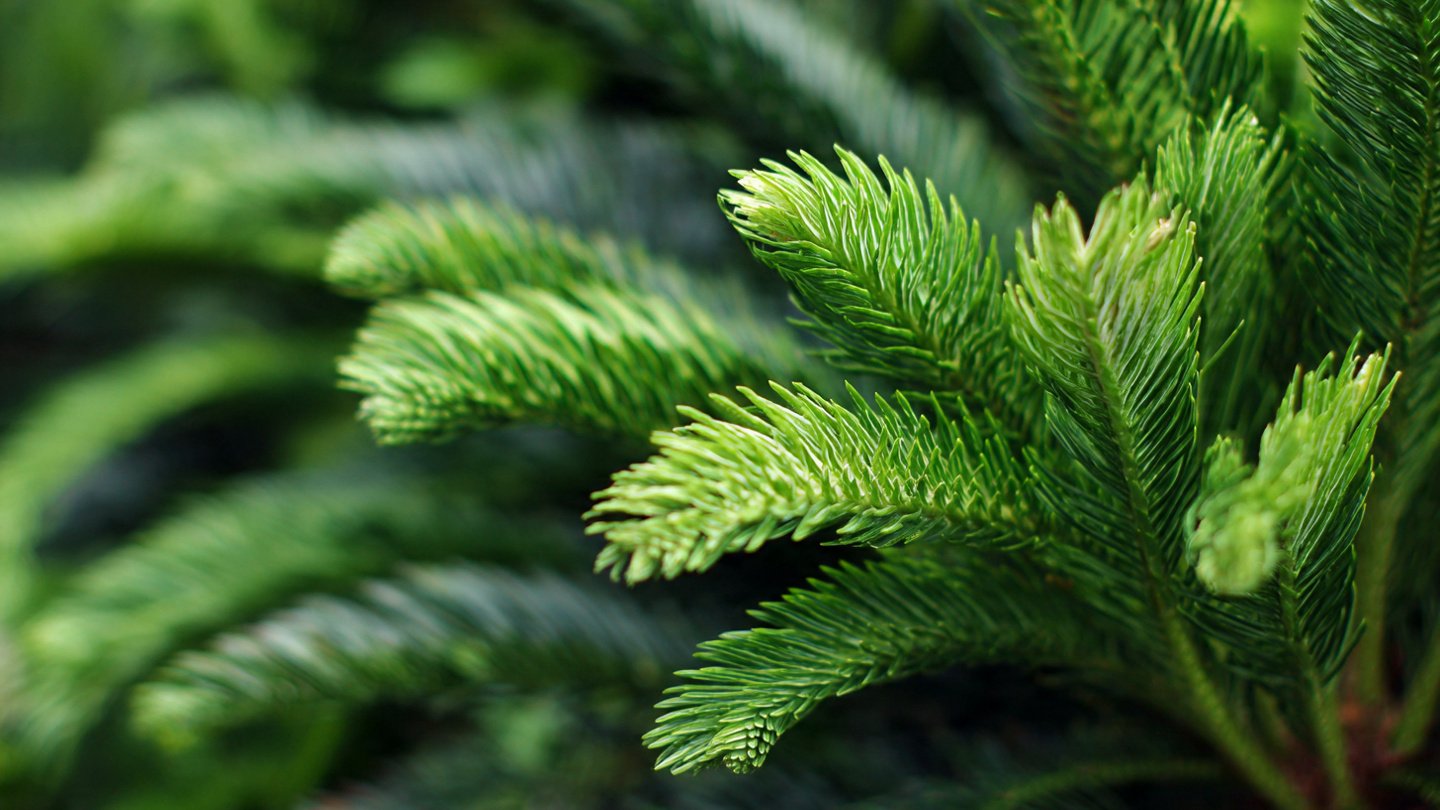
The Norfolk Pine (Araucaria heterophylla) is a striking evergreen tree that adds elegance, height, and greenery to any garden. Known for its symmetrical branches and soft, needle-like foliage, this tree can become the centerpiece of your outdoor space. While many gardeners associate Norfolk Pines with indoor planting, they can thrive beautifully in open garden spaces if given the right care. This guide reveals the secrets to effortlessly cultivating Norfolk Pines in your garden, from soil preparation to watering, fertilization, and pest management.
Why Grow Norfolk Pine in Your Garden?
Norfolk Pines are more than just visually appealing:
- Architectural beauty: Their symmetrical branches create a stunning vertical accent in gardens.
- Evergreen foliage: Retain lush greenery year-round, adding life even in winter months.
- Low-maintenance growth: Once established, they require minimal attention.
- Versatility: Suitable for large open spaces, gardens, or as a focal point in landscaping.
- Air purification: Like other evergreens, Norfolk Pines help improve air quality and create a natural cooling effect.
Whether you want a solitary statement tree or a row for landscape design, Norfolk Pines elevate the aesthetic appeal of any open garden space.
Selecting the Right Location
Choosing the proper planting location is critical to the successful cultivation of Norfolk Pines:
- Sunlight: These trees thrive in full sunlight. Aim for at least 6–8 hours of direct sun daily.
- Space: Norfolk Pines can grow up to 20–30 meters over many years. Provide ample space to allow the canopy to develop naturally.
- Protection: While hardy, young plants may need shelter from strong winds, which can damage branches.
- Soil drainage: Avoid waterlogged areas, as excess water can lead to root rot.
Proper site selection ensures your Norfolk Pine grows strong, healthy, and beautifully symmetrical.
Choosing Healthy Seedlings
Starting with healthy seedlings gives your Norfolk Pine the best chance to thrive:
- Select seedlings with vibrant green foliage and no signs of yellowing or pests.
- Look for a well-developed root system to ensure faster establishment.
- Avoid seedlings with damaged stems or roots, as they may struggle to adapt to open garden conditions.
Healthy seedlings establish faster, grow steadily, and are more resilient to environmental stress.
Preparing the Soil
Norfolk Pines prefer slightly acidic to neutral soil (pH 5.5–7.0) and require well-draining soil:
- Loosen the soil to a depth of 30–40 cm.
- Mix in compost or well-rotted manure to enrich nutrients.
- Add sand or perlite if the soil is heavy clay, improving drainage and root aeration.
- Avoid compacted areas to prevent root stagnation.
Proper soil preparation is key to ensuring strong root development and steady growth.
Planting Norfolk Pine
Planting Norfolk Pines in open gardens is simple if done correctly:
- Dig a hole: Make it twice as wide and slightly deeper than the root ball.
- Position the seedling: Center the seedling in the hole, ensuring the root collar is at soil level.
- Backfill: Fill the hole with prepared soil, pressing lightly to remove air pockets.
- Watering: Water immediately after planting to help roots settle.
- Mulching: Apply a 5–10 cm layer of mulch around the base to retain moisture, suppress weeds, and regulate soil temperature.
Young trees may need stakes to support vertical growth until roots are well established.
Watering Norfolk Pines
Consistent watering is essential, especially for young seedlings:
- Frequency: Water deeply 2–3 times per week during the first year.
- Established trees: Reduce watering once the tree is established; Norfolk Pines are drought-tolerant.
- Technique: Water at the base of the tree to encourage deep root development.
- Avoid overwatering: Too much water can lead to root rot and fungal infections.
Proper watering habits promote healthy foliage, strong roots, and faster growth.
Fertilization and Nutrient Management
Feeding Norfolk Pines supports growth, vibrant foliage, and resilience:
- Use a balanced slow-release fertilizer (10:10:10) every 2–3 months during the growing season.
- Apply additional compost or organic matter annually to improve soil fertility.
- Avoid high-nitrogen fertilizers, which can cause excessive leaf growth at the expense of strong roots.
- For optimal growth, micronutrients like magnesium, iron, and manganese may be supplemented if deficiency symptoms appear.
Regular fertilization ensures your Norfolk Pine remains healthy, lush, and visually striking.
Pruning and Shaping
Norfolk Pines require minimal pruning, but occasional maintenance enhances their appearance:
- Remove dead, damaged, or diseased branches promptly.
- Avoid heavy pruning, as it can disrupt the tree’s natural symmetry.
- Young trees benefit from removing competing shoots to strengthen the main trunk.
- Shape selectively for aesthetics, especially in formal garden designs.
Gentle pruning maintains the tree’s natural beauty while encouraging steady vertical growth.
Pest and Disease Management
While relatively hardy, Norfolk Pines can face occasional pests and diseases:
- Aphids: Spray with neem oil or insecticidal soap.
- Scale insects: Remove manually or use horticultural oil.
- Root rot: Prevent by ensuring well-draining soil and avoiding overwatering.
- Fungal infections: Maintain good airflow around the tree, especially in densely planted areas.
Early intervention is key to keeping your Norfolk Pine healthy and thriving in an open garden environment.
Seasonal Care
Seasonal adjustments help your Norfolk Pine thrive year-round:
- Spring: Fertilize and water consistently to encourage growth.
- Summer: Protect young seedlings from extreme heat and provide deep watering.
- Autumn: Reduce watering gradually; remove fallen leaves and debris.
- Winter: Protect seedlings from frost in colder regions using mulch or temporary covers.
By adapting care to the seasons, you ensure steady growth and minimize stress on the tree.
Enhancing Garden Aesthetics
Norfolk Pines are versatile in garden design:
- Use as a focal point in a lawn or border.
- Plant in rows or clusters for a formal landscape effect.
- Pair with low-growing shrubs or flowering plants for contrast.
- Incorporate lighting to highlight the tree’s structure in the evening.
With thoughtful placement and design, Norfolk Pines elevate the visual appeal of any open garden space.
Final Thoughts
Cultivating Norfolk Pines in your open garden doesn’t have to be complicated. By selecting healthy seedlings, preparing nutrient-rich soil, providing consistent watering and fertilization, and monitoring for pests and diseases, you can effortlessly grow this majestic evergreen.
Whether you desire a towering focal point, a formal landscape accent, or a year-round green backdrop, Norfolk Pines offer elegance, resilience, and low-maintenance beauty. With proper care, patience, and attention, your open garden space can flourish with these symmetrical, striking trees for years to come, creating a serene and visually stunning outdoor environment.