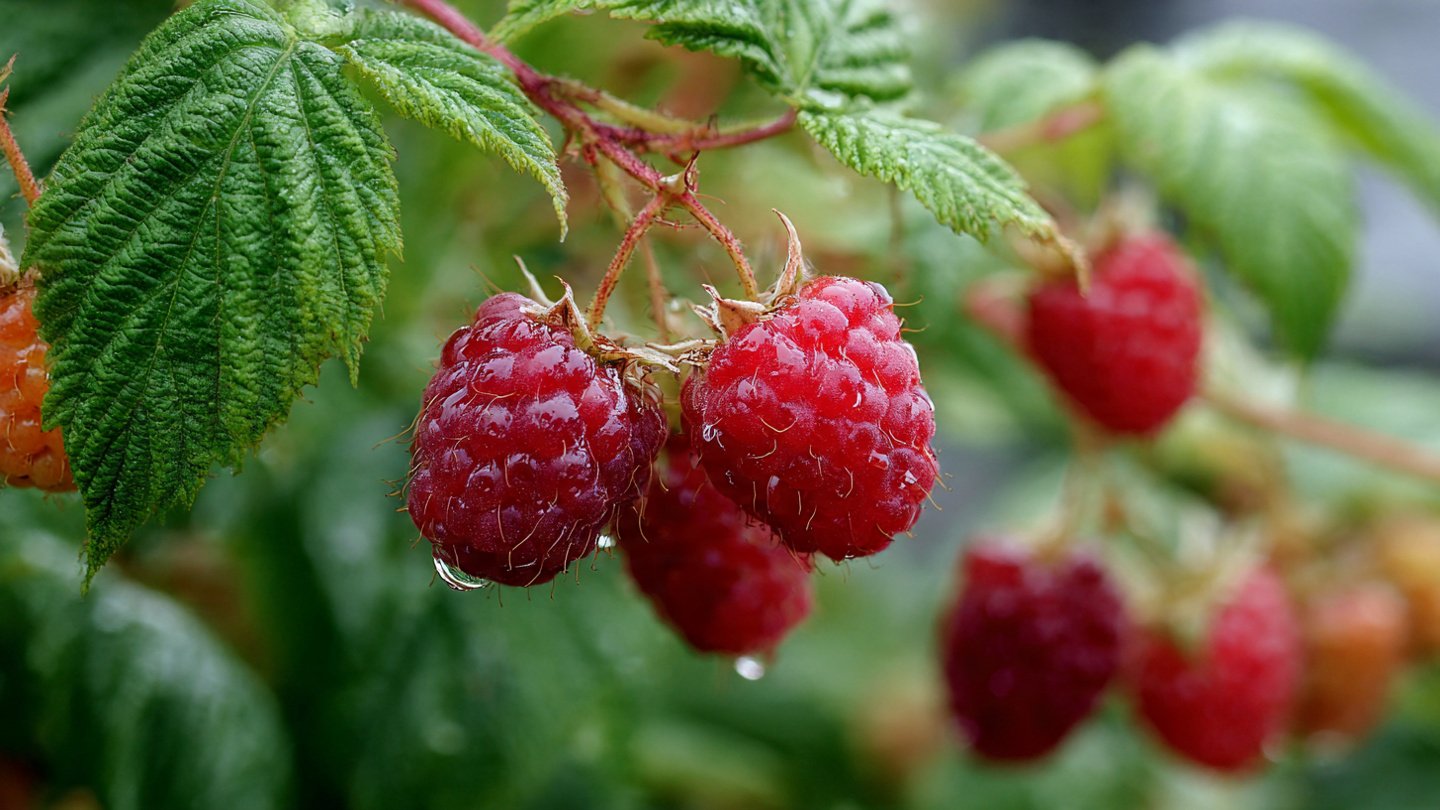
Raspberries are one of the most rewarding fruits to grow at home, offering sweet, juicy berries that can be eaten fresh, baked into desserts, or preserved for later use. However, growing raspberries successfully isn’t just about planting them in your garden—it requires careful maintenance, and pruning is one of the most critical tasks for ensuring healthy plants and abundant harvests.
Proper pruning encourages stronger growth, prevents disease, and maximizes fruit production. In this comprehensive guide, we’ll explore raspberry pruning techniques, including when and how to prune, the differences between summer-bearing and everbearing varieties, and tips for long-term raspberry health.
Why Pruning Raspberries Matters
Pruning is essential for several reasons:
- Promotes Higher Yields: Removing old or unproductive canes allows the plant to focus energy on producing fruiting shoots.
- Improves Air Circulation: Properly spaced and pruned canes reduce the risk of fungal diseases such as powdery mildew and botrytis.
- Encourages Strong Growth: Pruning stimulates new cane growth, which will bear fruit in future seasons.
- Simplifies Harvesting: Neatly pruned raspberry rows make picking easier and more efficient.
Without regular pruning, raspberry plants can become overcrowded, less productive, and more susceptible to pests and diseases.
Understanding Raspberry Types
Before you start pruning, it’s important to know which type of raspberry you are growing, because pruning methods differ:
- Summer-Bearing Raspberries: These raspberries produce fruit once a year, typically in mid to late summer. Fruit develops on two-year-old canes (floricanes). After fruiting, these canes die and must be pruned.
- Everbearing (or Fall-Bearing) Raspberries: These varieties produce two crops: one in late summer/fall on the first-year canes (primocanes) and another smaller crop the following summer on the second-year canes. Some gardeners choose to prune everbearing raspberries differently depending on whether they want one large fall harvest or two crops per year.
Knowing your raspberry type ensures that you prune at the right time and in the correct way.
When to Prune Raspberries
Timing is crucial for successful pruning:
- Summer-Bearing Raspberries: Prune immediately after harvesting in summer. Remove spent floricanes and thin out new canes for next year’s crop.
- Everbearing Raspberries: For a single fall harvest, cut all canes to ground level in late winter or early spring. For dual harvests, prune summer-fruiting floricanes after harvest, while keeping the primocanes for fall fruit.
Avoid heavy pruning during active fruiting or extremely cold periods, as this can stress the plant or damage canes.
Tools Needed for Raspberry Pruning
Using the right tools makes pruning easier and safer:
- Sharp pruning shears for smaller canes
- Loppers for thicker, older canes
- Gloves to protect your hands from thorns
- Optional: Pruning saw for exceptionally large or woody canes
Clean and sterilize tools before pruning to prevent the spread of diseases.
Step-by-Step Pruning Techniques
1. Remove Dead or Damaged Canes
Begin by identifying canes that are brown, brittle, or showing signs of disease. These are typically older floricanes that have already fruited. Cut them at the base near the soil to improve airflow and redirect nutrients to healthy canes.
2. Thin Out Crowded Canes
Raspberry plants benefit from spacing. Ideally, maintain 4–6 strong canes per foot of row. Remove weak or overcrowded canes to prevent competition for light and nutrients. Thinning also makes harvesting easier and reduces pest problems.
3. Shorten Tall Canes
Tall canes may bend or break under the weight of fruit. For summer-bearing raspberries, prune lateral branches (side shoots) to 6–12 inches long. This encourages strong fruiting and prevents the canes from sprawling.
4. Encourage New Growth
Leave a balance of strong new canes and older canes for consistent production. Cut weak or spindly growth, as it will likely produce few berries. For everbearing raspberries, selectively prune to focus energy on primocanes for fall fruit if you prefer a single harvest.
5. Maintain the Row
Keep rows neat and uniform. Remove any suckers that grow outside the desired area, particularly along paths or walkways. This prevents overcrowding and promotes easier maintenance.
Special Tips for Everbearing Raspberries
Everbearing varieties can be pruned in two ways, depending on your goals:
- Single Fall Crop: Cut all canes to ground level in late winter. The plant will produce one large crop in fall on new primocanes.
- Two Crops: After the summer harvest, prune only the fruiting top portions of floricanes, leaving the primocanes intact for a fall harvest. This method requires careful timing and attention.
Deciding which method depends on your climate, space, and personal preference for harvest timing.
Managing Pests and Diseases Through Pruning
Proper pruning reduces the risk of several common raspberry problems:
- Powdery Mildew: Improved airflow between canes helps prevent fungal growth.
- Botrytis (Gray Mold): Removing overcrowded or dead canes reduces moisture accumulation.
- Aphids and Other Pests: Thinning canes exposes infestations early, making it easier to manage with natural remedies.
Consistent pruning combined with regular monitoring keeps plants healthy and productive.
After Pruning: Care and Maintenance
After pruning, take steps to support plant recovery and growth:
- Mulch: Apply a layer of organic mulch to retain moisture and regulate soil temperature.
- Fertilize: Use a balanced fertilizer to provide nutrients for new cane development.
- Water: Maintain consistent soil moisture, particularly during dry periods, to support healthy growth.
Pruned raspberries grow vigorously when given proper care, leading to bigger, sweeter berries in the following season.
Common Mistakes to Avoid
- Pruning at the wrong time: Can reduce fruiting or stress the plant.
- Overcrowding canes: Leads to poor airflow, smaller berries, and disease problems.
- Ignoring dead or diseased canes: Weakens the plant and reduces overall yield.
- Removing too many canes: Leaves insufficient growth for next year’s harvest.
By following proper techniques, gardeners can avoid these pitfalls and enjoy consistently high yields.
Final Thoughts
Pruning is more than just maintenance—it’s an art that determines the health, longevity, and productivity of raspberry plants. Whether you are growing summer-bearing or everbearing varieties, the principles remain the same: remove dead or weak canes, thin crowded growth, support new shoots, and maintain proper spacing.
By understanding the timing, tools, and techniques for raspberry pruning, gardeners can maximize fruit production while minimizing disease and labor. With careful attention, your raspberry plants can thrive for years, providing sweet, juicy berries season after season.