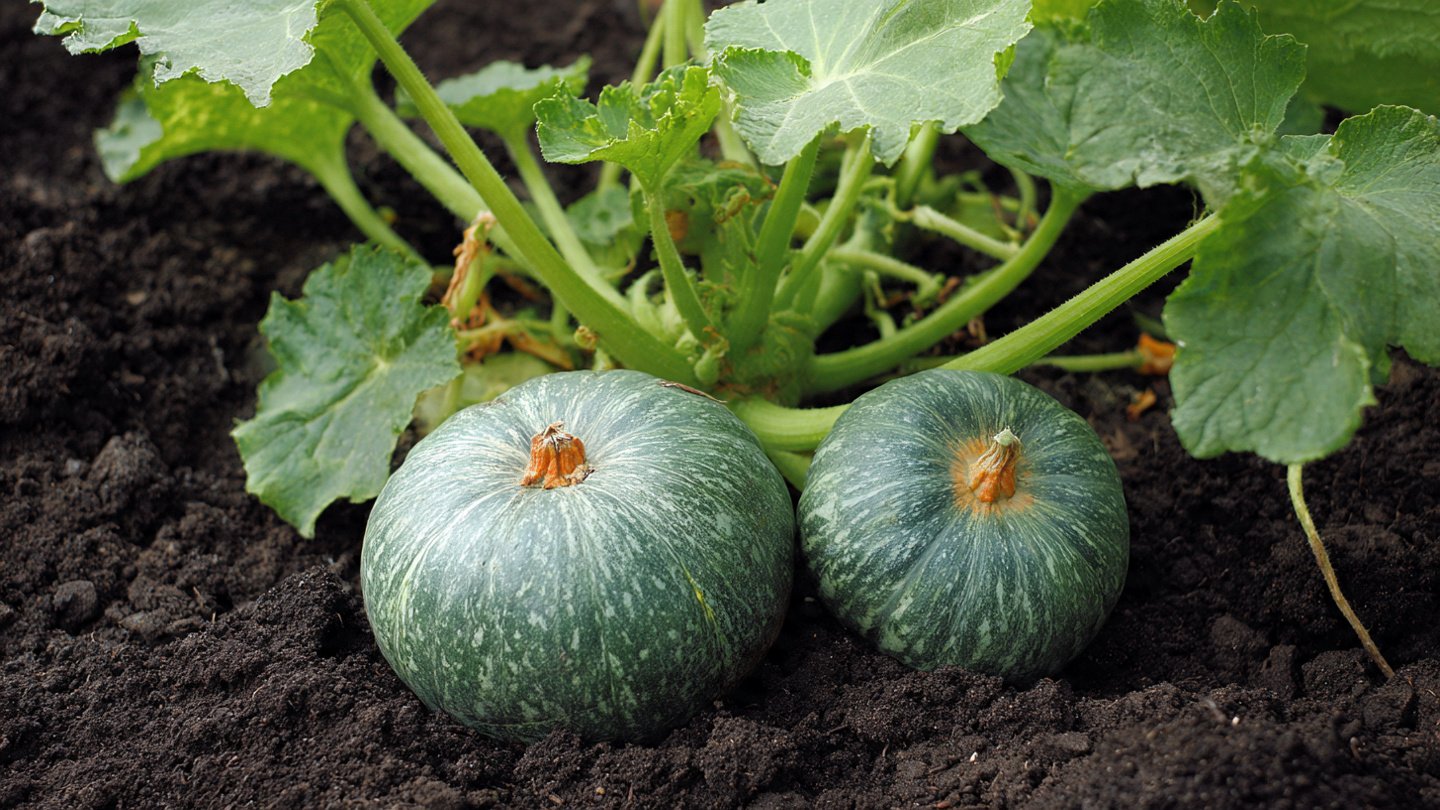
Pumpkins are a classic favorite in gardens, prized for their vibrant color, unique shapes, and versatility in cooking and decoration. Traditionally, pumpkins require large garden beds to thrive, but with modern container gardening techniques, it’s possible to grow healthy, productive pumpkins in grow bags—even for gardeners with limited space. Grow bags provide excellent drainage, aeration, and mobility, making them an ideal solution for cultivating pumpkins successfully. Whether you are a beginner or an experienced gardener, this step-by-step guide will help you achieve a bountiful pumpkin harvest.
Why Grow Pumpkins in Grow Bags?
Using grow bags to cultivate pumpkins offers numerous advantages:
- Space-saving: Perfect for patios, balconies, or small yards.
- Enhanced root development: Grow bags encourage a strong, healthy root system through air pruning.
- Improved drainage and aeration: Prevents waterlogging and root rot.
- Mobility: Easy to move plants to sunny spots or protect them from adverse weather.
- Reduced soil-borne diseases: Container growing limits exposure to pests and pathogens common in garden soil.
Grow bags are suitable for all gardeners, providing a practical and effective way to grow pumpkins with minimal effort.
Choosing the Right Grow Bag
The success of pumpkin cultivation in containers depends on the size and quality of the grow bag:
- Size: Choose bags at least 20–30 gallons (75–115 liters) to accommodate the extensive root system. Larger pumpkins may require even bigger containers.
- Material: Durable fabric grow bags are preferred for breathability and longevity. Ensure the material can support the weight of soil, water, and growing pumpkins.
- Drainage: Good drainage is crucial to prevent waterlogging. Most fabric bags naturally provide excellent drainage.
Proper grow bag selection ensures your pumpkins have enough room to thrive and produce large fruits.
Selecting the Best Pumpkin Variety
Not all pumpkin varieties are suited for container or grow bag cultivation. Consider these factors when selecting seeds:
- Size: Choose smaller or medium varieties such as Sugar Pie, Baby Pam, or Jack Be Little for easier management.
- Growth habit: Bush-type pumpkins or semi-bush varieties are more suitable than long-vining types for limited space.
- Purpose: Select varieties depending on your preference—some are better for cooking, while others are ideal for decoration.
Choosing the right variety ensures manageable growth and high productivity in containers.
Preparing the Soil
Pumpkins are heavy feeders and thrive in nutrient-rich, well-draining soil. The ideal soil mix for grow bags includes:
- 50% high-quality potting soil
- 30% compost or well-rotted manure
- 20% perlite, coco peat, or sand for aeration and drainage
Mix thoroughly and fill the grow bag, leaving 2–3 inches at the top for watering and mulching. This soil blend supports robust root growth, strong vines, and bountiful fruit production.
Planting Pumpkins in Grow Bags
Pumpkins can be started from seeds or seedlings. Starting seeds indoors can give you an early advantage, especially in cooler climates.
Step 1: Starting Seeds
- Sow seeds 1 inch deep in seed trays or small pots.
- Maintain a temperature of 70–85°F (21–29°C) for optimal germination.
- Seeds usually sprout within 7–10 days.
Step 2: Transplanting Seedlings
- Once seedlings develop 2–3 true leaves, transplant them into grow bags.
- Plant one seedling per grow bag to ensure enough space and nutrients for the roots.
- Gently firm the soil around the roots and water immediately.
Position the grow bags in a sunny spot that receives at least 6–8 hours of sunlight daily.
Supporting Pumpkin Vines
Pumpkin vines can grow long and heavy, especially when fruits start developing. Supporting the vines helps prevent damage and improves air circulation:
- Use a trellis or vertical support to allow vines to climb, saving space.
- Alternatively, allow vines to trail on the ground or a raised surface.
- For larger fruits, support them with slings made from cloth or netting to prevent stress on the stems.
Proper support ensures healthier plants and reduces the risk of fruit rot or broken vines.
Watering and Fertilization
Pumpkins require consistent moisture and regular feeding to produce large fruits:
Watering
- Water deeply 2–3 times per week, keeping the soil evenly moist.
- Avoid wetting leaves directly to reduce fungal diseases.
- Mulch around the base to retain moisture and regulate soil temperature.
Fertilization
- Apply organic fertilizer at planting, such as compost or well-rotted manure.
- Feed with liquid fertilizer every 2 weeks once flowering begins.
- Focus on phosphorus and potassium for fruit development, while nitrogen supports healthy vine growth.
Adequate water and nutrients are key to producing large, vibrant pumpkins.
Pollination
Pumpkins have male and female flowers that require pollination to set fruit:
- Outdoor plants are typically pollinated by bees or other insects.
- In indoor or balcony settings, hand pollination may be necessary.
- Use a small brush or cotton swab to transfer pollen from male to female flowers.
Successful pollination is essential for high yields in container-grown pumpkins.
Common Problems and How to Solve Them
Even in grow bags, pumpkins may encounter issues:
- Yellowing leaves: Often caused by nutrient deficiency or overwatering. Adjust fertilization and watering schedule.
- Powdery mildew: Improve airflow, avoid wetting leaves, and remove affected foliage.
- Aphids and pests: Use neem oil, insecticidal soap, or introduce beneficial insects.
- Small or misshapen fruits: May result from inadequate pollination, nutrient imbalance, or overcrowding.
Monitoring plants regularly and acting quickly can prevent most problems and ensure a healthy harvest.
Harvesting Pumpkins
Pumpkins are ready to harvest when:
- The skin is hard and fully colored according to the variety.
- The stem begins to dry and turn brown.
- Fruits sound hollow when tapped.
Use a sharp knife or garden shears to cut the pumpkin from the vine, leaving a few inches of stem attached to prolong storage life. Harvested pumpkins can be stored in a cool, dry place for months.
Advantages of Growing Pumpkins in Grow Bags
- Space efficiency: Grow pumpkins even in small yards, patios, or balconies.
- Better root health: Air pruning in grow bags encourages strong, fibrous roots.
- Mobility: Move plants to follow sunlight or protect from heavy rains.
- Reduced disease risk: Containers minimize soil-borne pathogens.
- High yields: Proper care in grow bags can produce large, healthy pumpkins comparable to garden-grown plants.
Grow bags provide an ideal growing environment, making pumpkin cultivation accessible for all gardeners.
Conclusion
Growing pumpkins in grow bags is an excellent solution for gardeners of all levels, offering a combination of space-saving design, healthy root development, and high productivity. By selecting the right variety, preparing nutrient-rich soil, supporting vines, and maintaining consistent watering and fertilization, anyone can achieve a successful pumpkin harvest—even in limited spaces. Whether you are growing pumpkins for cooking, decoration, or seasonal celebrations, grow bags make it possible to enjoy large, healthy pumpkins year after year.
With patience, care, and the right techniques, grow bag pumpkin gardening can transform even small areas into productive, vibrant vegetable gardens that bring both beauty and delicious harvests to your home.