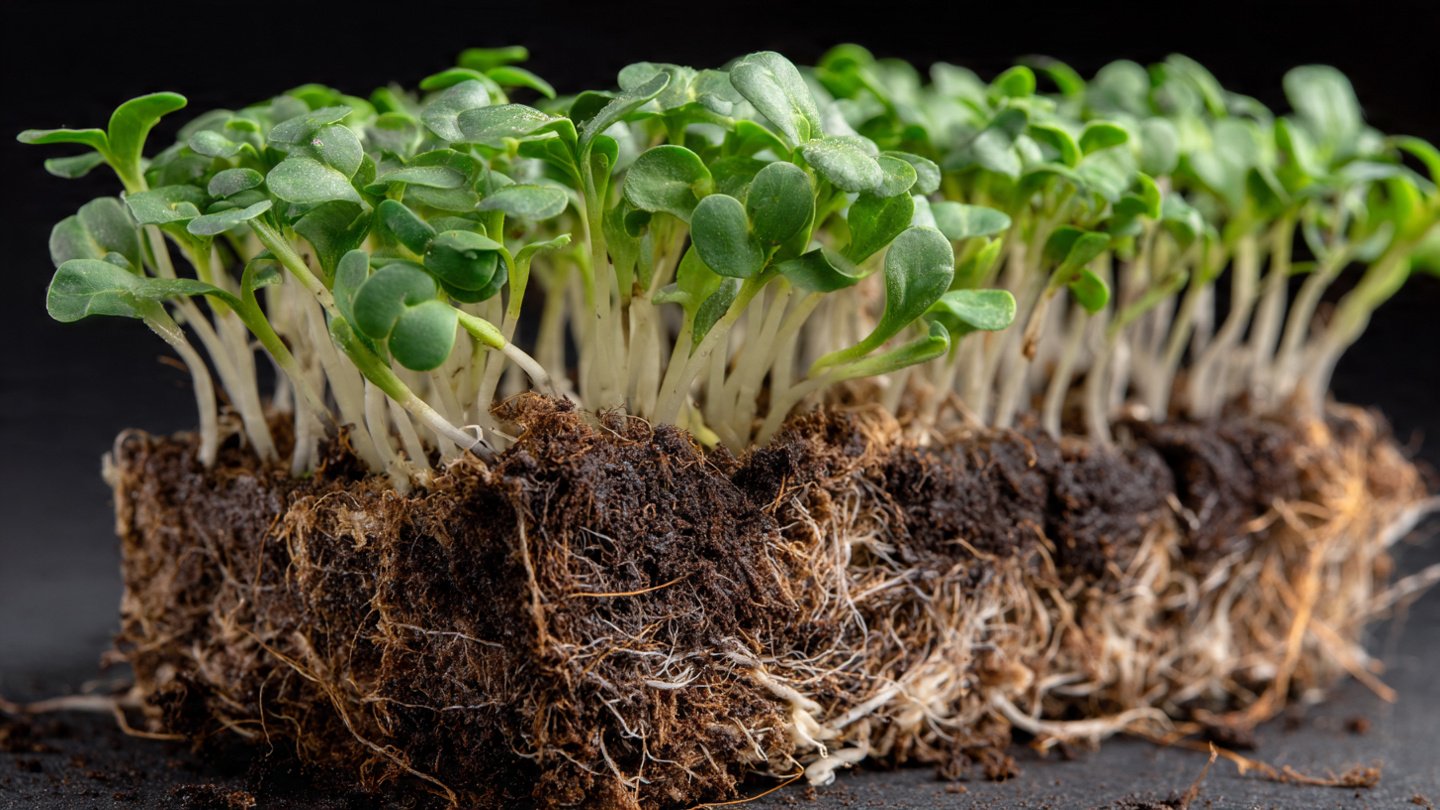
Fenugreek (Trigonella foenum-graecum) is a versatile and nutrient-rich herb, widely appreciated for its culinary, medicinal, and health-promoting properties. Known for its slightly bitter, aromatic leaves and seeds, fenugreek has been used for centuries in traditional medicine and cooking. Growing fenugreek at home or on a small farm can be highly rewarding, but achieving fast and uniform germination is key to a successful crop. This guide explores the secrets and techniques for accelerating fenugreek germination, ensuring healthy plants and high yields.
Why Fenugreek Germination Matters
Germination is the first and most crucial stage in a plant’s life cycle. Healthy seeds that sprout quickly lead to vigorous seedlings, which in turn develop into strong, productive plants. In fenugreek cultivation, fast and uniform germination offers several benefits:
- Early Harvest: Quick germination shortens the time to harvest, allowing multiple crops per year.
- Reduced Disease Risk: Healthy seedlings are less prone to fungal infections and soil-borne diseases.
- Uniform Growth: Simultaneous sprouting ensures consistent plant size, which is especially important for leaf harvesting.
- Higher Yields: Strong seedlings result in robust plants, ultimately increasing overall production.
Understanding the factors that influence germination is the first step toward cultivating fenugreek successfully.
Factors Affecting Fenugreek Germination
Several environmental and seed-related factors impact how quickly fenugreek seeds germinate:
- Seed Quality: Fresh, mature seeds have higher germination rates than old or poorly stored seeds. Always use seeds from a reliable source.
- Temperature: Fenugreek prefers moderate temperatures for germination. Ideal soil temperatures range between 20–25°C (68–77°F).
- Soil Moisture: Consistent, adequate moisture is essential. Dry soil slows germination, while waterlogged soil can rot seeds.
- Soil Type: Well-drained, loamy soil rich in organic matter promotes rapid germination. Heavy clay or compacted soil hinders seedling emergence.
- Seed Dormancy: Some fenugreek varieties may have a natural dormancy period. Techniques like soaking or scarification help break dormancy.
Optimizing these factors ensures that your fenugreek seeds sprout quickly and uniformly.
Pre-Sowing Treatments for Fast Germination
Pre-sowing treatments are among the most effective ways to accelerate fenugreek germination. Here are some proven methods:
1. Seed Soaking
Soaking seeds in water softens the hard seed coat, allowing the embryo to absorb moisture more efficiently.
- How to Soak: Place fenugreek seeds in clean, lukewarm water for 6–12 hours. Avoid prolonged soaking as it can cause seeds to rot.
- Optional Additives: Some growers add a pinch of neem powder or diluted hydrogen peroxide to the water to prevent fungal growth.
- Benefits: Soaked seeds typically germinate within 2–3 days, compared to 5–7 days for dry seeds.
2. Scarification
Scarification involves lightly breaking or scratching the seed coat to facilitate water absorption.
- Methods: Rub seeds gently with sandpaper or soak them briefly in warm water to soften the coat.
- Benefits: Scarified seeds germinate faster and more uniformly, especially if you are dealing with older or tougher seeds.
3. Pre-Sprouting
Pre-sprouting involves allowing seeds to germinate slightly before planting.
- Procedure: Place soaked seeds on a moist paper towel or in a shallow tray with a thin layer of damp soil. Keep them warm and moist until tiny sprouts appear.
- Benefits: Planting pre-sprouted seeds reduces germination time in soil and ensures early seedling establishment.
Ideal Soil Preparation
Proper soil preparation is crucial for fast germination and healthy seedling growth:
- Soil Composition: Mix garden soil with compost or well-rotted manure to enhance fertility. A ratio of 2:1 (soil to compost) works well.
- Drainage: Fenugreek seeds do not tolerate waterlogging. Add sand or perlite if your soil is heavy.
- pH Levels: Slightly acidic to neutral soil (pH 6.0–7.0) promotes faster germination.
- Seed Bed: Loosen the top 2–3 inches of soil and level it to provide a smooth seedbed. Avoid compacting the soil.
Well-prepared soil ensures seeds absorb moisture evenly, sprouting quickly and evenly.
Sowing Techniques for Fast Germination
The way you sow fenugreek seeds affects germination speed:
1. Direct Sowing
- Spacing: Sow seeds 1–2 cm deep, spaced about 1–2 inches apart.
- Rows: Maintain 6–8 inch spacing between rows to allow seedlings to grow freely.
- Covering: Lightly cover seeds with fine soil or vermiculite to retain moisture.
- Watering: Mist the soil gently to avoid displacing seeds.
2. Raised Beds or Trays
- Using raised beds or seed trays improves drainage and reduces the risk of fungal infections.
- Seeds in trays germinate faster because soil conditions can be more carefully controlled.
- Transplant seedlings to the main bed when they have 2–3 true leaves.
3. Hydroponic or Container Growth
- Fenugreek can also be grown in containers or hydroponic systems, which allow precise control over moisture, temperature, and nutrients.
- In hydroponics, seeds can germinate in 24–48 hours under optimal conditions.
Temperature and Moisture Management
Maintaining consistent temperature and moisture levels is essential for rapid germination:
- Temperature: Keep soil around 22–25°C (72–77°F). Avoid sudden temperature drops, which slow germination.
- Moisture: Keep the soil evenly moist but not soggy. Use a spray bottle to mist the soil surface regularly.
- Mulching: A thin layer of straw or vermiculite helps retain soil moisture and moderate temperature.
Light Requirements
While fenugreek seeds do not require light to germinate, seedlings need sufficient light after sprouting:
- Indoor: Place trays near a bright window or use fluorescent grow lights for 12–16 hours per day.
- Outdoor: Ensure seedlings receive partial sun initially and gradually transition to full sunlight.
Proper lighting accelerates seedling growth, reducing stress and increasing survival rates.
Fertilization for Early Growth
Young fenugreek seedlings benefit from mild fertilization to support rapid development:
- Nitrogen: Promotes healthy leaf growth.
- Balanced Fertilizer: Use diluted organic fertilizers like compost tea or fish emulsion during the first 2–3 weeks.
- Avoid Over-Fertilizing: Excessive fertilizer can burn delicate seedlings and delay growth.
A light nutrient boost ensures seedlings are strong and ready for robust growth.
Pest and Disease Control
Healthy seedlings germinate faster and grow better. Protect them from common threats:
- Damping-Off: Caused by fungal pathogens, it kills seedlings quickly. Prevent by using sterilized soil and avoiding overwatering.
- Aphids: Small insects that feed on young leaves. Spray with neem oil or mild insecticidal soap.
- Fungal Infections: Ensure good air circulation and sunlight to minimize risks.
Vigilant pest and disease management keeps seedlings healthy and accelerates growth.
Transplanting and Care
Once seedlings are 2–3 inches tall with several true leaves, they can be transplanted:
- Spacing: Maintain 6–8 inch spacing to allow airflow and sunlight.
- Watering: Gradually reduce frequency to encourage strong root development.
- Mulching: Helps retain soil moisture and suppress weeds.
- Support: Fenugreek plants are low-growing, but occasional staking may help if plants are in windy areas.
Proper care after germination ensures seedlings mature into productive plants.
Harvesting Fenugreek
Fenugreek can be harvested at multiple stages:
- Leaves: Begin harvesting leaves 3–4 weeks after germination. Regular pruning encourages bushy growth.
- Seeds: Harvest seeds when pods turn brown, usually 2–3 months after sowing.
- Multiple Crops: Fast germination and continuous care allow multiple sowings throughout the year.
Conclusion
Fast and successful fenugreek germination is achievable with the right techniques and attention to detail. By selecting quality seeds, performing pre-sowing treatments, optimizing soil, controlling temperature and moisture, and following proper sowing and care practices, you can enjoy vigorous seedlings and high-yielding plants. Fenugreek is a rewarding herb that provides nutritional, medicinal, and culinary benefits, and mastering germination ensures your crop thrives from the very start. With patience, consistency, and careful management, anyone can discover the secrets to growing healthy, productive fenugreek at home or on a small farm.