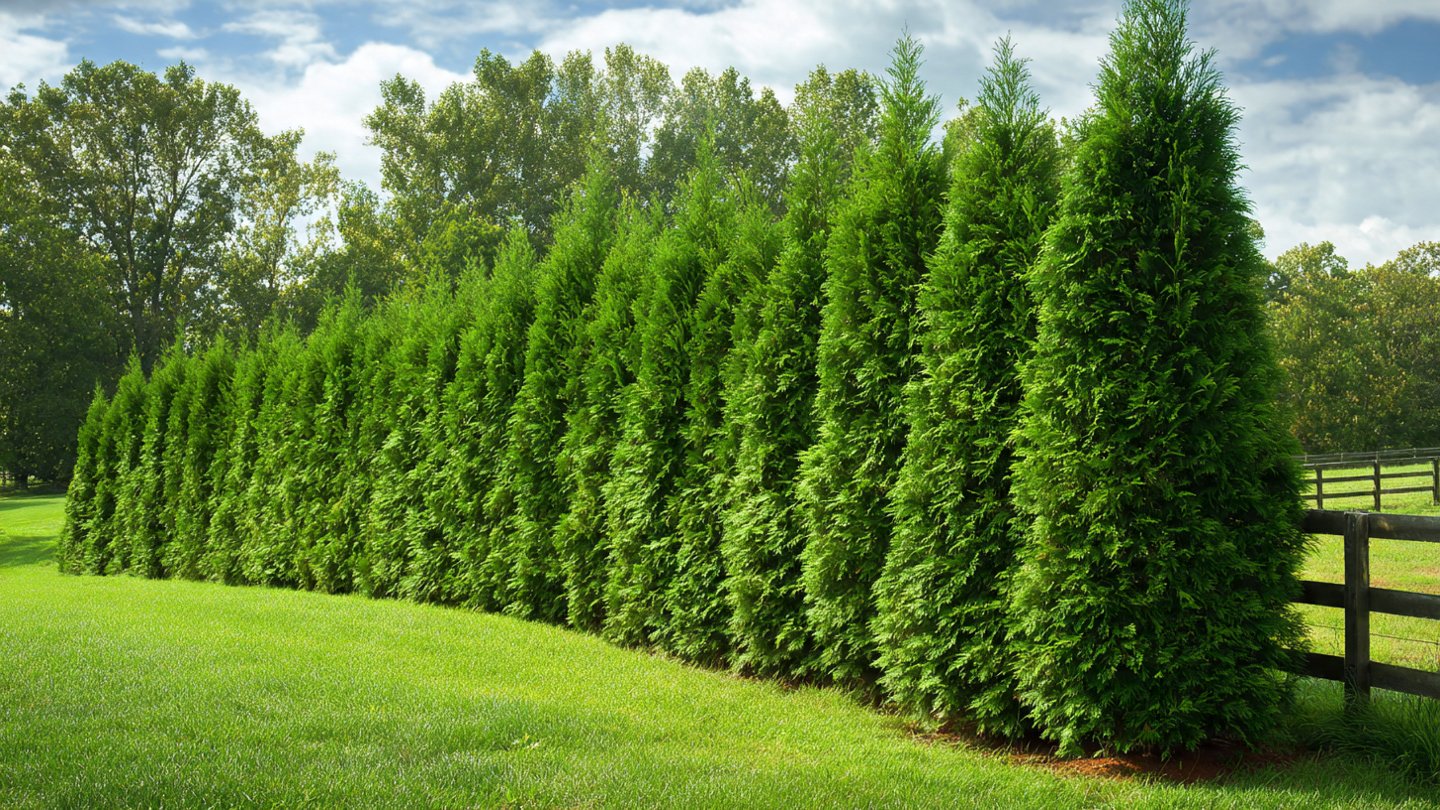
A well-planned landscape does more than beautify your property—it protects it. One of the most practical and effective tools in landscape design is a windbreak, a natural barrier that shields your garden, home, or outdoor spaces from harsh winds. Among the many options available, Arborvitae (Thuja spp.) stands out as one of the best choices for homeowners and landscapers seeking an evergreen, low-maintenance, and highly functional windbreak.
This guide explores the benefits of using Arborvitae as windbreak plants, why they are ideal for residential and commercial landscapes, and tips for planting, maintaining, and maximizing their effectiveness.
What Are Arborvitae?
Arborvitae, also known as Thuja, is a genus of evergreen conifers native to North America and parts of Asia. They are prized for their dense foliage, vertical growth habit, and vibrant green color, which remains attractive year-round. Arborvitae trees and shrubs vary in size—from compact varieties suitable for small yards to tall, stately types that can reach 40–60 feet in height.
These plants are commonly used for:
- Privacy screens
- Decorative hedges
- Noise reduction barriers
- Windbreaks and protective landscaping
Their dense, evergreen foliage ensures that they provide protection and beauty throughout all seasons.
Why Arborvitae Are Excellent Windbreak Plants
Using Arborvitae as a windbreak offers several advantages over other trees and shrubs:
- Dense Foliage for Maximum Protection
Arborvitae has tightly packed branches and leaves, creating a solid barrier against strong winds. This density reduces wind speed, protecting gardens, outdoor living areas, and even homes from cold gusts or storm damage. - Evergreen Year-Round
Unlike deciduous trees, Arborvitae maintains its leaves through winter, providing continuous protection from seasonal winds. This is especially valuable in colder climates where winter winds can be harsh. - Rapid Growth
Many Arborvitae varieties grow relatively quickly, allowing homeowners to establish an effective windbreak in a short period. Some cultivars can grow 1–3 feet per year, depending on soil and climate conditions. - Low Maintenance
Arborvitae is hardy and adaptable. Once established, these plants require minimal pruning, watering, or special care. This makes them ideal for homeowners who want an effective windbreak without intensive upkeep. - Aesthetic Appeal
Beyond functionality, Arborvitae adds visual interest to landscapes. Their uniform shape and vibrant green foliage create a natural, attractive barrier that enhances property value.
Choosing the Right Arborvitae Variety for Your Windbreak
Not all Arborvitae varieties are suitable for every landscape or windbreak purpose. When planning a windbreak, consider:
- Height and Spread
- Compact varieties: Ideal for smaller spaces or privacy screens (e.g., ‘Green Giant’ or ‘Emerald Green’).
- Tall varieties: Provide maximum wind protection for large areas (e.g., ‘Smaragd’ or ‘Techny’).
- Growth Rate
- Fast-growing varieties quickly form an effective barrier but may require occasional pruning.
- Slow-growing varieties need less maintenance but take longer to establish a windbreak.
- Climate Tolerance
Arborvitae thrives in USDA hardiness zones 3–7, with some varieties extending to zones 8–9. Choose a cultivar suited to your local climate for long-term survival and health. - Spacing for Dense Coverage
- Plant too far apart, and wind can pass through gaps.
- Plant too close, and trees may compete for resources, causing stress and slower growth. A spacing of 3–5 feet for compact varieties and 5–8 feet for taller types usually works best.
Planning Your Arborvitae Windbreak
A successful windbreak requires more than just planting trees. Consider these steps:
- Determine the Direction of Prevailing Winds
Windbreaks are most effective when planted perpendicular to prevailing winds. Use local weather data to identify the most common wind direction. - Decide on Windbreak Length
Longer windbreaks reduce wind over a greater distance. Typically, the sheltered area extends 10–20 times the windbreak’s height. - Use Multiple Rows for Maximum Protection
- Single-row windbreaks are adequate for moderate winds.
- Multi-row windbreaks (staggered planting) provide enhanced protection, reduce gaps, and increase density.
- Consider Companion Plants
Interplanting shrubs or groundcover can increase windbreak density, reduce soil erosion, and enhance biodiversity.
Planting Arborvitae for Windbreak Success
Follow these steps to ensure your Arborvitae windbreak thrives:
- Soil Preparation
Arborvitae prefers well-drained, slightly acidic soil. Mix organic compost into the planting area to improve fertility and drainage. Avoid waterlogged areas, as Arborvitae roots are prone to rot. - Dig Proper Holes
Dig holes twice as wide and equal in depth to the root ball. This ensures proper root establishment and growth. - Planting Technique
Place the tree carefully, backfill with soil, and water thoroughly. Mulch around the base to retain moisture and suppress weeds. - Watering
Newly planted Arborvitae needs consistent watering for the first year. Water deeply 2–3 times per week, adjusting frequency according to rainfall and temperature. - Mulching
Apply 2–3 inches of organic mulch around the base, keeping it away from the trunk. Mulching conserves moisture, reduces temperature fluctuations, and protects roots.
Maintaining Arborvitae Windbreaks
Proper care ensures your windbreak remains effective and healthy for decades:
- Pruning: Minimal pruning is needed. Trim dead or damaged branches and shape lightly if desired. Avoid heavy cutting, as it slows growth.
- Fertilizing: Apply a balanced fertilizer in early spring to support healthy growth.
- Pest and Disease Control: Monitor for pests like bagworms, spider mites, or fungal diseases. Use appropriate organic or chemical treatments if necessary.
- Regular Inspection: Check for gaps in the windbreak and plant new Arborvitae if needed to maintain continuous protection.
Additional Benefits of Arborvitae Windbreaks
Besides protecting against wind, Arborvitae offers multiple advantages for your landscape:
- Noise Reduction
Dense foliage can help reduce ambient noise from roads or neighbors, creating a quieter outdoor space. - Privacy Screen
Arborvitae can double as a natural fence, providing visual privacy in addition to wind protection. - Soil Erosion Control
Windbreaks reduce wind speed at ground level, preventing soil erosion and protecting garden beds. - Wildlife Habitat
Evergreen foliage provides shelter for birds, pollinators, and other beneficial wildlife. - Energy Efficiency
Strategically planted windbreaks can reduce heating costs by blocking cold winter winds and cooling costs by shading the home.
Conclusion
Using Arborvitae as windbreak plants is one of the most effective and aesthetically pleasing ways to protect your landscape from wind damage. Their dense evergreen foliage, year-round coverage, rapid growth, and low maintenance make them ideal for both small residential yards and large commercial properties. By carefully selecting the right variety, spacing properly, planting strategically, and maintaining healthy growth, you can enjoy a functional, beautiful, and long-lasting windbreak.
Whether your goal is wind protection, privacy, noise reduction, or enhanced landscape beauty, Arborvitae provides an elegant, natural solution that benefits both your garden and your property. Investing in a well-planned Arborvitae windbreak today ensures protection, productivity, and aesthetic appeal for decades to come.