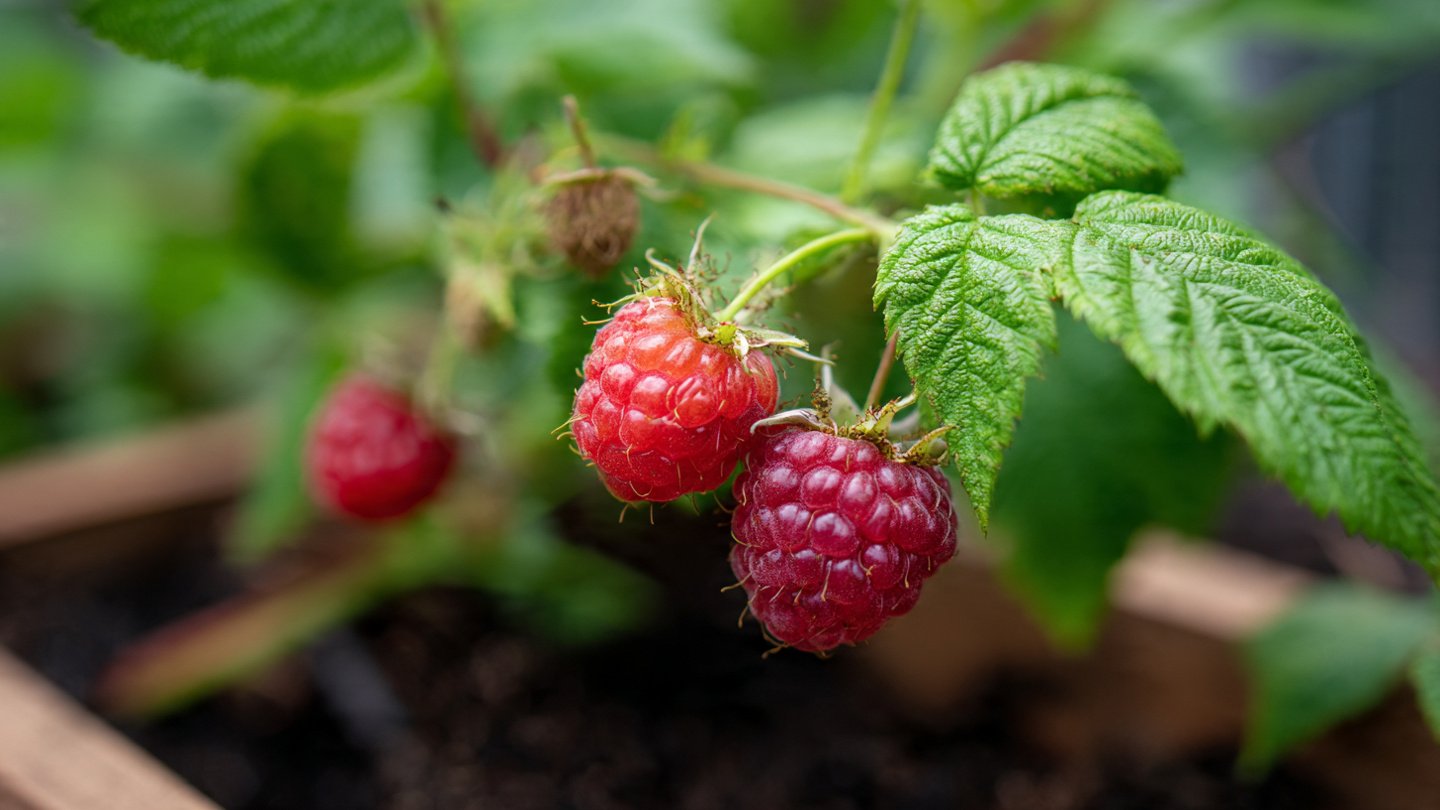
Raspberries are a delicious and rewarding fruit to grow at home. Their sweet, tangy berries are perfect for fresh eating, jams, desserts, and smoothies. While many gardeners grow raspberries in garden beds, container cultivation has become increasingly popular, especially for those with limited space, balconies, or patios. One of the most critical factors for container-grown raspberries is choosing the perfect soil. The right soil provides proper drainage, nutrients, and aeration—ensuring healthy growth, abundant flowering, and juicy berries.
This ultimate guide walks you through everything you need to know about selecting, preparing, and maintaining soil for container-grown raspberries, so you can enjoy a thriving, productive plant even in a small space.
Why Soil Matters for Container Raspberries
Raspberries have deep roots and require soil that can support moisture retention without waterlogging. Poor soil can lead to:
- Stunted growth
- Root rot or fungal diseases
- Reduced flowering and fruit production
- Nutrient deficiencies
In containers, soil conditions are even more critical because roots cannot spread freely, and water retention and drainage must be balanced carefully. The right soil creates a stable environment, promoting robust root systems, healthy stems, and sweet, plentiful berries.
Characteristics of Ideal Raspberry Soil
When choosing soil for container raspberries, consider these essential qualities:
- Well-Draining – Waterlogged soil damages roots. Choose soil that allows excess water to drain while holding enough moisture for the plant.
- Rich in Organic Matter – Raspberries thrive in nutrient-dense soil. Compost, aged manure, or peat moss provides essential nutrients.
- Slightly Acidic pH – Optimal soil pH ranges between 5.5 and 6.5. Acidic soil improves nutrient uptake and prevents deficiencies.
- Light and Aerated – Loose soil ensures roots receive oxygen and can expand easily. Avoid heavy clay soils in containers.
- Retains Moisture – While drainage is important, the soil should still hold sufficient moisture to support consistent growth.
Step 1: Choosing a Container
Before soil, the right container is crucial for healthy raspberries.
Container Tips:
- Minimum size: 12–16 inches deep and 12–16 inches wide
- Material: Plastic, ceramic, or wooden pots work well; ensure they have drainage holes
- Space for roots: Raspberries have fibrous roots that require room to grow
- Portability: Choose lightweight containers if you need to move them
A suitable container ensures the soil behaves optimally and prevents root crowding.
Step 2: Selecting or Preparing the Perfect Soil
You have two options: buy pre-made soil mixes or create your own custom mix.
Option 1: Pre-Made Soil Mixes
Look for high-quality potting mixes labeled for fruiting plants or berries. Check for:
- Good drainage and moisture retention
- Inclusion of compost, perlite, or vermiculite for aeration
- Balanced nutrients to support early growth
Avoid garden soil alone—it is often too heavy and can compact in containers.
Option 2: Custom Soil Mix
A DIY mix allows you to tailor conditions perfectly for raspberries. A recommended mix:
- 50% quality compost or peat moss
- 25% perlite or coarse sand for drainage
- 25% garden soil or coconut coir for structure and moisture retention
This combination ensures proper aeration, drainage, and nutrient availability for strong root and cane development.
Step 3: Adjusting Soil pH
Raspberries prefer slightly acidic soil. If your soil is too alkaline, nutrient uptake will be limited.
How to adjust pH:
- Test soil with a home pH kit
- If pH is above 6.5, add sulfur or pine needles to lower acidity
- If pH is below 5.5, add a small amount of lime to raise it
Maintaining the correct pH ensures that the plant absorbs nutrients efficiently, resulting in healthier growth and better fruit quality.
Step 4: Fertilization and Nutrient Management
Raspberries are moderate feeders but require balanced nutrients to produce sweet berries.
Fertilization Tips:
- Mix slow-release fertilizer into the soil when planting
- Use a balanced fertilizer with nitrogen, phosphorus, and potassium
- Supplement with organic compost or liquid feed every 3–4 weeks during the growing season
Proper nutrients in the soil prevent yellowing leaves, weak stems, and poor fruit production.
Step 5: Planting Your Raspberries in Containers
- Fill the container halfway with prepared soil.
- Place the raspberry plant in the center, ensuring roots spread evenly.
- Fill the rest of the container with soil, leaving 1–2 inches from the rim for watering.
- Water thoroughly to settle the soil around the roots.
Avoid burying the crown too deeply, as this can encourage stem rot.
Step 6: Maintaining Soil Health
Container soil can deplete nutrients and compact over time, so regular maintenance is important.
Tips for soil maintenance:
- Top-dress with compost each spring to replenish nutrients
- Loosen soil surface gently to improve aeration
- Replace or refresh soil every 2–3 years to maintain fertility and drainage
- Mulch the surface with straw, wood chips, or coconut coir to retain moisture and regulate temperature
Healthy soil ensures continuous flowering and fruiting.
Step 7: Watering Considerations
Container raspberries require consistent moisture:
- Water deeply when the top inch of soil feels dry
- Avoid waterlogging to prevent root rot
- Consider self-watering containers or a drip irrigation system for consistent hydration
Maintaining the right moisture level supports nutrient uptake and prevents stress that can affect fruit size and sweetness.
Step 8: Tips for Year-Round Success
- Use quality containers with good drainage
- Monitor soil pH and nutrients regularly
- Stagger planting if possible for continuous harvest
- Protect from pests and diseases by keeping the soil surface clean and using organic treatments if necessary
- Prune regularly to maintain plant vigor and prevent overcrowding
By following these soil and maintenance tips, your container raspberries can thrive and produce bountiful harvests year after year.
Common Mistakes to Avoid
- Using garden soil alone – it compacts easily and limits root growth.
- Overwatering – causes root rot and fungal infections.
- Neglecting pH – can prevent proper nutrient absorption.
- Failing to replenish nutrients – leads to weak plants and poor fruit.
- Using containers without drainage – waterlogging kills roots.
Avoiding these errors ensures your raspberries grow healthy, productive, and long-lived.
Conclusion
Choosing the perfect soil is the foundation of successful container-grown raspberries. Well-draining, nutrient-rich, slightly acidic, and aerated soil ensures vigorous root development, strong canes, and sweet, juicy berries. By combining proper container selection, fertilization, pH management, and consistent maintenance, you can enjoy a thriving raspberry garden even in a small space.
With the right soil and care, container raspberries can reward you with abundant fruit and the satisfaction of growing delicious berries right at home.