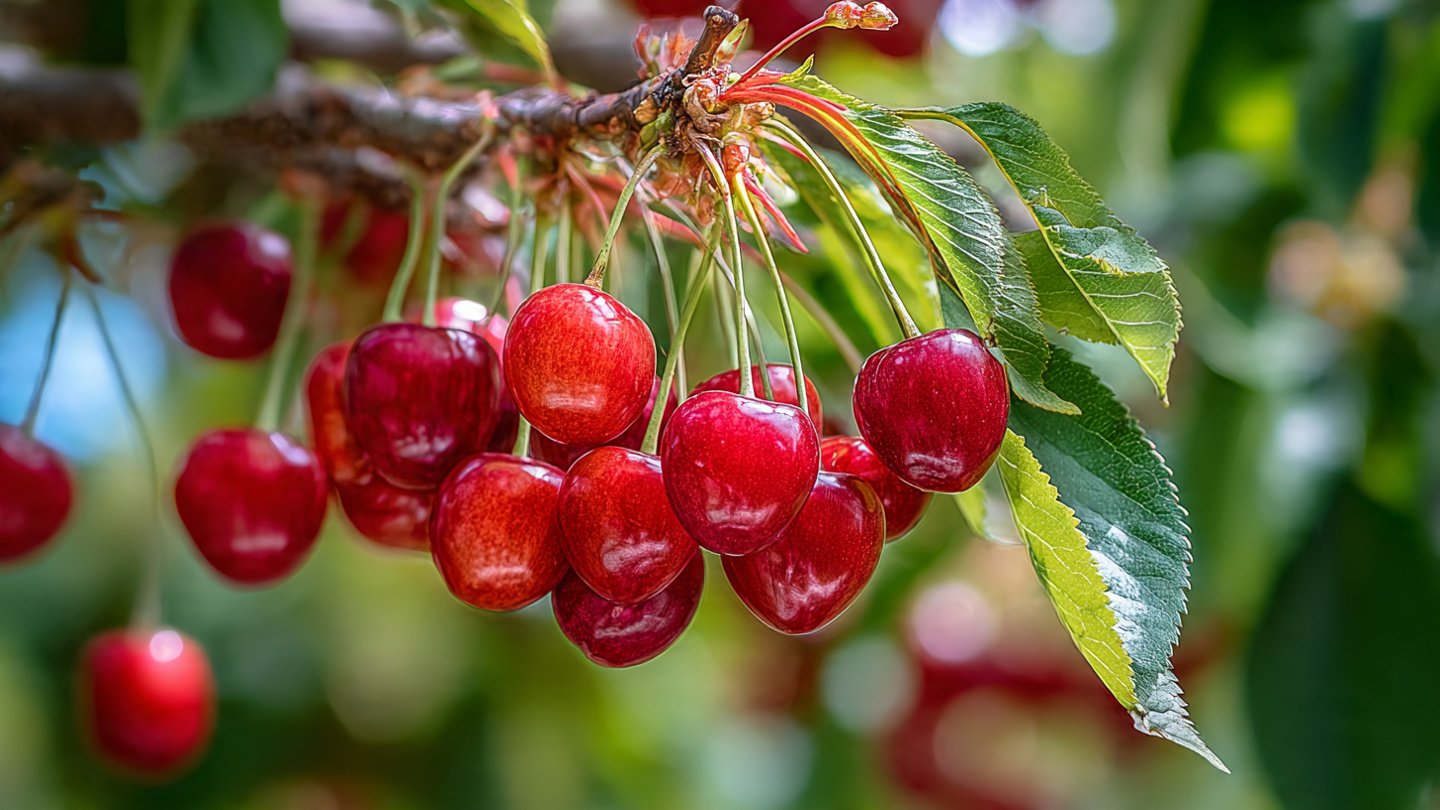
Cherries are a favorite fruit for many gardeners, offering sweet, juicy flavor and bright color to your garden and kitchen. However, traditional cherry trees can be large and challenging to manage in small spaces. The solution? Compact or dwarf cherry trees, which are perfect for small gardens, patios, and even large containers. With proper care, these trees can produce abundant fruit without taking up too much space.
This guide will walk you through how to successfully grow a compact cherry tree in a small garden, covering everything from variety selection and planting to pruning, fertilization, and maximizing fruit production.
Why Choose a Compact Cherry Tree?
Compact cherry trees offer several advantages for gardeners with limited space:
- Space-Saving: Smaller trees fit in small gardens, patios, or containers.
- High Fruit Yield: Properly managed, these trees can produce large quantities of cherries.
- Ease of Harvesting: Low-height trees make picking fruit easier.
- Faster Fruiting: Dwarf varieties often bear fruit earlier than standard trees.
- Aesthetic Appeal: Compact trees can be a beautiful focal point with their blossoms in spring.
These trees are ideal for gardeners who want the satisfaction of homegrown cherries without the hassle of a large orchard.
Selecting the Right Cherry Variety
Choosing the right variety is key to success:
- Dwarf Sweet Cherry Varieties: ‘Stella,’ ‘Compact Stella,’ and ‘Sunburst’ are popular for home gardens.
- Sour Cherry Varieties: ‘North Star’ and ‘Meteor’ are hardy, compact, and perfect for pies or preserves.
- Self-Fertile Options: Many dwarf cherries are self-pollinating, meaning only one tree is needed for fruit.
- Climate Considerations: Choose a variety suited to your local climate, considering chill hours and frost sensitivity.
Selecting the right tree ensures strong growth and abundant fruit in your small garden.
Choosing the Ideal Location
A compact cherry tree needs the right environment to thrive:
- Sunlight: Full sun (6–8 hours daily) is essential for strong growth and fruit development.
- Soil: Well-draining, loamy soil with pH 6.0–7.0 supports healthy roots.
- Space: Even dwarf trees need 6–10 feet of spacing to allow airflow and reduce disease.
- Wind Protection: Shelter from strong winds prevents branch breakage and flower damage.
- Container Growth: Dwarf cherries can thrive in large pots if soil, drainage, and sunlight requirements are met.
Proper placement ensures a healthy tree with maximum fruiting potential.
Planting a Compact Cherry Tree
- Timing: Plant in early spring or late fall when the tree is dormant.
- Soil Preparation: Dig a hole twice as wide and as deep as the root ball. Mix native soil with compost to enhance fertility.
- Planting Depth: Place the tree at the same depth as it was in the nursery container. Avoid burying the graft union.
- Backfill and Watering: Fill the hole with soil, gently tamp down, and water thoroughly to settle roots.
- Mulching: Apply 2–3 inches of mulch around the base to conserve moisture and regulate soil temperature, keeping mulch 2–3 inches away from the trunk to prevent rot.
Proper planting establishes a strong foundation for future growth and fruiting.
Watering and Moisture Management
Cherry trees need consistent moisture, especially during flowering and fruiting:
- Young Trees: Water deeply 2–3 times per week to encourage root establishment.
- Mature Trees: Reduce frequency but maintain deep watering during dry periods.
- Avoid Overwatering: Excess moisture can cause root rot and fungal diseases.
- Mulching: Helps retain soil moisture and reduces irrigation frequency.
Consistent watering promotes strong roots and juicy, healthy cherries.
Fertilization for Maximum Fruit Production
Feeding your compact cherry tree ensures strong growth and abundant fruit:
- Young Trees: Apply a balanced, slow-release fertilizer (NPK 10-10-10) in early spring.
- Mature Trees: Fertilize after leaf-out or post-harvest to support fruiting and replenish nutrients.
- Organic Options: Compost, well-rotted manure, or fish emulsion are excellent for steady growth.
- Avoid Excess Nitrogen: Too much nitrogen encourages leafy growth at the expense of flowers and fruit.
Fertilization helps your compact tree remain healthy and productive year after year.
Pruning and Training for Compact Growth
Pruning is essential for maintaining a small size, improving fruit quality, and encouraging flowering:
- Initial Pruning: Shape the tree after planting to establish a strong framework.
- Annual Pruning: Remove dead, diseased, or crossing branches each winter.
- Encourage Open Center: Maintain an open canopy for light penetration and airflow.
- Pinching Tips: Shorten overly long shoots to promote branching and more flowers.
- Remove Suckers: Cut basal shoots from the rootstock to prevent energy diversion.
Regular pruning maximizes fruit yield while keeping the tree compact and manageable.
Pollination and Flowering
Even self-fertile dwarf cherry trees benefit from good pollination:
- Bees and Insects: Encourage pollinators by planting flowers nearby.
- Wind Pollination: Outdoor trees benefit from airflow to carry pollen between blossoms.
- Multiple Trees: If possible, plant compatible cherry varieties for cross-pollination to increase fruit set.
Proper pollination ensures abundant cherries and larger fruit.
Pest and Disease Management
Compact cherry trees are susceptible to pests and diseases, but careful management keeps them healthy:
- Common Pests: Aphids, cherry fruit flies, and caterpillars. Control with organic insecticidal soap or neem oil.
- Diseases: Powdery mildew, brown rot, and leaf spot can occur in wet or humid conditions. Ensure proper spacing, good airflow, and remove affected leaves promptly.
- Preventive Care: Mulch, proper watering, and annual pruning reduce risk of fungal infections.
Healthy trees are more productive and produce better-tasting cherries.
Harvesting Cherries
- Timing: Harvest cherries when fully colored and firm but slightly soft to the touch.
- Picking: Gently twist or snip cherries from the stem to avoid damaging the tree.
- Frequency: Check daily during peak harvest for optimal fruit quality.
- Storage: Refrigerate cherries for up to a week or freeze for long-term use.
Timely harvesting encourages continued fruiting and prevents fruit from attracting pests.
Tips for Growing in Small Gardens or Containers
- Choose Dwarf Varieties: Compact trees are easier to manage and fruit abundantly.
- Large Containers: Use 15–20 gallon pots with good drainage if planting off-ground.
- Prune Regularly: Keeps the tree manageable and maximizes sunlight exposure.
- Rotate Containers: Ensure even light exposure if growing in pots.
- Support Branches: Use stakes or trellises to support heavy fruit-laden branches.
With these strategies, even gardeners with limited space can enjoy a productive cherry tree.
Maximizing Fruit Production
- Fertilization: Provide adequate nutrients throughout the growing season.
- Proper Pruning: Maintain open structure and remove unproductive branches.
- Adequate Watering: Ensure deep watering during flowering and fruiting stages.
- Pest Control: Minimize damage to flowers and young fruit.
- Sunlight: Ensure full sun exposure for optimal flowering and fruit set.
Healthy, well-maintained compact cherry trees produce high-quality fruit consistently.
Final Thoughts
Growing a compact cherry tree in a small garden is both feasible and highly rewarding. With careful variety selection, proper planting, consistent watering, fertilization, and pruning, gardeners can enjoy abundant, sweet cherries even in limited spaces.
Whether planted in a container on a balcony or a small backyard bed, a dwarf cherry tree can become a stunning focal point, providing beautiful blossoms in spring and delicious fruit in summer. By following these methods, even beginners can cultivate a healthy, compact cherry tree that maximizes fruit production while remaining manageable in size.