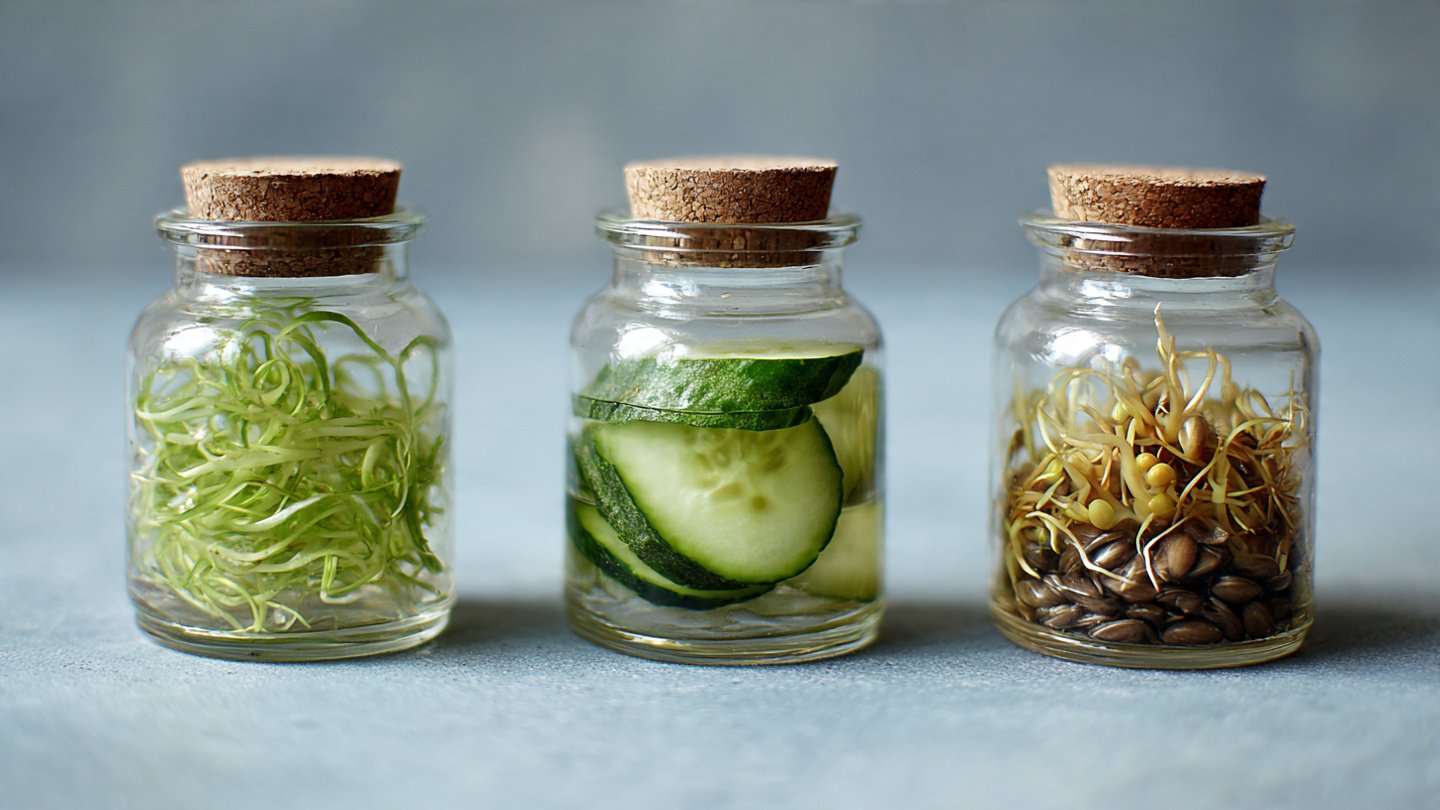
Cucumbers are one of the most popular vegetables for home gardeners. Crisp, refreshing, and versatile in salads, pickles, and snacks, cucumbers are also relatively easy to grow if you start with healthy, fast-germinating seeds. For many gardeners, the biggest challenge is getting cucumber seeds to sprout quickly and reliably, especially when starting them indoors before transplanting into the garden.
Fortunately, there’s an easy hack that can dramatically accelerate cucumber seed germination, giving you a head start on a bountiful harvest. This guide will walk you through everything you need to know to sprout cucumber seeds quickly at home, from seed preparation to planting and early care.
Understanding Cucumber Seed Germination
Cucumber (Cucumis sativus) seeds are relatively large and have a hard outer coat. When sown directly into soil, germination can take anywhere from 7 to 10 days under optimal conditions. However, factors such as temperature, moisture, and seed viability can slow this process.
By using a simple pre-soaking hack, you can:
- Soften the seed coat for faster water absorption
- Jumpstart the metabolic processes inside the seed
- Reduce the germination time to as little as 2–4 days
Faster germination means stronger seedlings and a head start on your growing season.
Step 1: Choosing High-Quality Cucumber Seeds
The foundation of successful sprouting begins with selecting the right seeds.
Tips for Choosing Seeds:
- Purchase fresh seeds from reputable suppliers to ensure high germination rates
- Choose disease-resistant or hybrid varieties if planting in your garden
- Consider the growth habit: bush varieties for pots, vining varieties for trellises or open spaces
High-quality seeds are more likely to respond well to pre-soaking and sprout quickly.
Step 2: Pre-Soaking Seeds – The Easy Hack
Pre-soaking is the secret to faster cucumber seed sprouting. By soaking the seeds, you give them a head start on germination.
How to Soak Seeds:
- Place the seeds in a small bowl of lukewarm water
- Let them soak for 6–12 hours (overnight is perfect)
- Drain the seeds and place them on a damp paper towel or directly in soil
Benefits of Soaking:
- Softens the seed coat for quicker water uptake
- Activates enzymes that stimulate growth
- Reduces the germination period by several days
This simple hack is especially useful in cooler climates or early in the season when soil temperatures are lower.
Step 3: Choosing the Right Medium for Sprouting
After soaking, the next step is to select a medium that encourages fast germination.
Recommended Options:
- Damp paper towels: Quick and easy, allows you to monitor sprouting
- Seed trays with potting mix: Provides a nutrient-rich environment for strong seedlings
- Peat pellets or coconut coir: Retains moisture and promotes healthy root growth
Whichever medium you choose, ensure it is moist (but not soggy) to maintain the ideal conditions for sprouting.
Step 4: Providing Optimal Temperature and Light
Temperature plays a crucial role in cucumber seed germination.
Ideal Conditions:
- Temperature: 70–85°F (21–29°C) for fastest sprouting
- Light: Seeds do not require light to germinate, but once sprouts emerge, they need bright, indirect sunlight for strong growth
For indoor germination, using a heating mat or placing the seeds near a sunny window can speed up the process significantly.
Step 5: Planting Sprouted Seeds
Once your cucumber seeds have sprouted (visible tiny roots or cotyledons), it’s time to plant them.
Planting Instructions:
- Use small pots, seed trays, or starter containers with well-draining soil
- Plant the seed ½ inch deep with the root facing downward
- Water gently to settle the soil around the seedling
Proper planting ensures the delicate sprout is not damaged and can grow into a healthy seedling.
Step 6: Watering for Healthy Seedlings
Moisture management is key to strong seedling development:
Watering Tips:
- Keep the soil consistently moist, but avoid waterlogging
- Water at the base to prevent fungal issues on delicate sprouts
- Use a spray bottle for gentle watering until seedlings develop sturdy stems
Maintaining consistent moisture encourages rapid root growth and prevents seedlings from wilting.
Step 7: Thinning Seedlings
If multiple seeds are sprouted in a single pot or tray, thinning is essential:
Thinning Guidelines:
- Allow only the strongest seedling per cell or area
- Snip weaker seedlings at the soil level rather than pulling to avoid disturbing roots
- Space seedlings at least 6–12 inches apart after transplanting to prevent overcrowding
Proper spacing ensures seedlings grow strong and healthy, ready for transplanting outdoors.
Step 8: Hardening Off Before Transplanting
Before moving seedlings outdoors, hardening off acclimates them to sunlight, wind, and temperature fluctuations.
Hardening Off Process:
- Place seedlings outside in a shaded, protected area for 2–3 hours daily
- Gradually increase exposure to sunlight over 7–10 days
- Reduce watering slightly to toughen stems
Hardening off prevents transplant shock and promotes faster establishment in the garden.
Step 9: Transplanting to Outdoor Beds
Once seedlings are hardened off, it’s time to plant them outdoors:
Transplanting Tips:
- Choose a sunny location with well-draining soil enriched with compost
- Space bush varieties 12–18 inches apart and vining varieties 18–24 inches apart
- Plant seedlings at the same depth they were growing in pots
- Water immediately after transplanting to settle soil and encourage root growth
Well-established seedlings grow faster and produce earlier harvests.
Step 10: Ongoing Care for Fast Growth
To maintain rapid growth after transplanting:
- Water regularly, especially during dry spells, to maintain consistent soil moisture
- Mulch around plants to retain moisture, suppress weeds, and regulate soil temperature
- Fertilize every 2–3 weeks with a balanced, nitrogen-rich fertilizer to encourage leafy growth
- Support vining varieties with trellises or stakes to prevent sprawling and disease
By maintaining optimal growing conditions, cucumbers develop quickly and produce more fruit.
Step 11: Common Challenges and Solutions
Even with fast-germinating seeds, some challenges can slow growth:
Challenges:
- Damping-off disease: Prevent with well-draining soil and avoid overwatering
- Pests: Aphids, cucumber beetles, and slugs can damage seedlings; use natural pest control
- Bolting: Avoid high temperatures and inconsistent watering to prevent premature flowering
Proactive care ensures your fast-sprouting cucumber seedlings reach maturity quickly.
Conclusion
Using the simple seed-soaking hack, combined with proper soil, temperature, watering, and care, you can sprout cucumber seeds quickly and grow strong, healthy seedlings at home. This technique gives you a head start on the growing season, reduces germination time, and sets the stage for a bountiful harvest.
Whether you’re planting in pots, raised beds, or directly in the garden, this easy method makes growing cucumbers faster, more reliable, and incredibly satisfying. With consistent care, you can enjoy fresh, crisp cucumbers from your garden in record time.