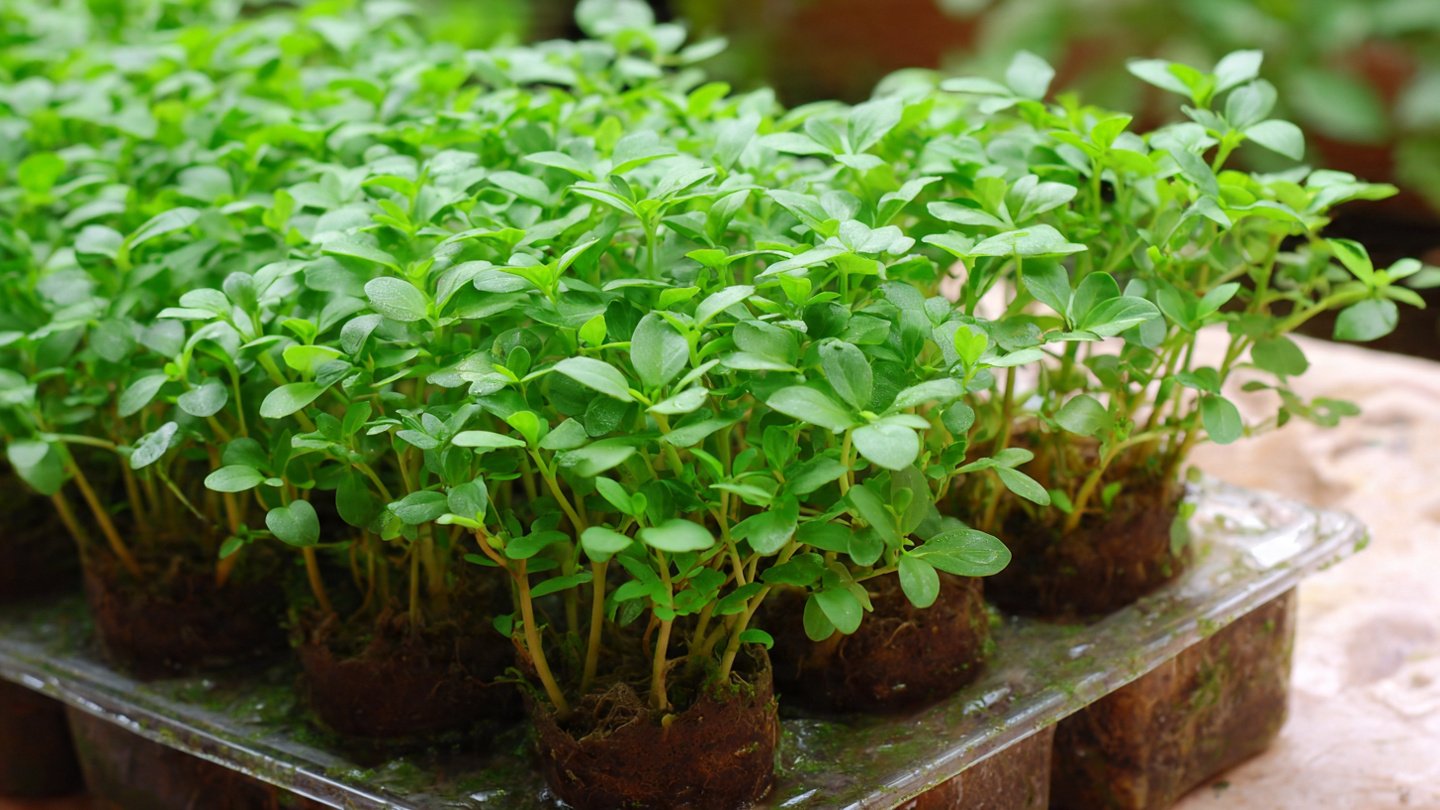
Fenugreek, commonly known as methi, is a versatile herb used widely in Indian, Middle Eastern, and Mediterranean cuisines. Beyond its culinary uses, methi offers remarkable health benefits, including improved digestion, blood sugar regulation, and antioxidant properties. Growing methi at home is not only cost-effective but also ensures a fresh, chemical-free supply for your kitchen. Even if you don’t have a garden, methi can thrive in shallow trays on a balcony, windowsill, or kitchen counter.
This comprehensive guide provides simple, step-by-step instructions to help you grow methi successfully in a shallow tray, from selecting seeds to harvesting fresh leaves.
Why Grow Methi at Home?
Homegrown methi offers numerous advantages:
- Freshness and flavor: Leaves harvested at the peak of growth are more aromatic and flavorful than store-bought alternatives.
- Health benefits: Methi is rich in iron, fiber, and vitamins, supporting overall wellness.
- Space-efficient gardening: Shallow trays fit easily on balconies, kitchen counters, or small apartments.
- Cost-effective: Continuous harvest reduces the need to buy fresh leaves from the market.
By cultivating methi at home, you can enjoy all these benefits while engaging in a simple and rewarding gardening activity.
Choosing the Right Seeds
The success of methi cultivation starts with selecting quality seeds:
- Fresh seeds: Purchase seeds from reputable suppliers to ensure high germination rates.
- Organic seeds: Preferably choose organic seeds for chemical-free growth.
- Varieties: Both traditional and hybrid varieties grow well in trays; for culinary use, select varieties with tender leaves.
Using fresh, high-quality seeds ensures healthy seedlings and a strong start to your methi garden.
Selecting the Tray and Soil
Even a shallow tray can support thriving methi plants if prepared properly:
Tray selection:
- Depth: 2–4 inches is sufficient for methi roots.
- Material: Plastic, ceramic, or wooden trays work well, but ensure proper drainage holes.
- Size: Larger trays allow more plants and continuous harvest.
Soil preparation:
- Use well-draining potting mix or garden soil mixed with compost.
- Maintain slightly acidic to neutral pH (6.0–7.0).
- Avoid heavy clay soil, which retains water and may cause root rot.
Proper tray and soil preparation ensure roots develop healthily and prevent waterlogging.
Preparing Seeds for Sowing
Methi seeds require minimal preparation but soaking improves germination:
- Rinse seeds: Wash to remove dust and impurities.
- Soak seeds: Soak in lukewarm water for 6–8 hours or overnight to soften the seed coat.
- Drain: Remove seeds from water and let them dry slightly before sowing.
Soaking seeds accelerates germination, leading to faster and uniform sprouting.
Sowing Methi Seeds
Follow these steps for successful tray cultivation:
- Fill the tray with prepared soil, leaving a small gap at the top.
- Evenly sprinkle methi seeds over the soil surface.
- Lightly press the seeds into the soil; avoid deep planting, as methi seeds require light to germinate.
- Mist the surface with water to moisten seeds without washing them away.
- Cover the tray with a thin layer of soil or a transparent lid to retain moisture.
Seeds usually germinate within 5–7 days under optimal conditions.
Light and Temperature Requirements
Methi grows best in moderate sunlight and warm temperatures:
- Sunlight: Place the tray in a bright location with indirect sunlight for 4–6 hours daily.
- Temperature: Ideal temperature range is 18–25°C.
- Indoor lighting: If natural light is limited, use a grow light to ensure healthy growth.
Adequate light and warmth promote strong stems, healthy leaves, and faster growth.
Watering and Moisture Management
Consistent moisture is critical for tray-grown methi:
- Mist the soil regularly to keep it damp but not waterlogged.
- Avoid pouring excessive water that may wash away seeds or cause mold growth.
- Ensure drainage holes are clear to prevent water accumulation.
Proper watering supports rapid germination and prevents seedling stress.
Thinning and Transplanting
Once seedlings develop 2–3 true leaves, thinning may be necessary:
- Thinning: Remove weaker seedlings to provide space for stronger plants.
- Spacing: Maintain 2–3 cm between plants for optimal growth.
- Transplanting (optional): Thinned seedlings can be transferred to larger trays or pots to extend harvest.
Thinning ensures healthy, vigorous growth and better leaf production.
Fertilization for Maximum Yield
Methi requires minimal fertilization, but organic nutrients can enhance growth:
- Use compost or well-rotted manure mixed into soil before sowing.
- Liquid organic fertilizers like diluted neem or vermicompost tea can be applied once seedlings develop 2–3 true leaves.
- Avoid synthetic fertilizers that may affect taste or safety.
Organic nutrition ensures lush green leaves and a robust harvest.
Pest and Disease Management
Methi is relatively pest-resistant, but common problems include aphids and fungal growth:
- Aphids: Spray mild soap solution or neem oil to control infestations.
- Fungal issues: Avoid overwatering and maintain good airflow around trays.
- Regular inspection: Check seedlings daily for early signs of stress or pests.
Preventive care keeps plants healthy and maximizes leaf production.
Harvesting Methi
Methi leaves can be harvested multiple times during the growing season:
- First harvest: Begin when seedlings are 3–4 inches tall.
- Cutting: Use scissors to trim leaves, leaving the central shoot intact for regrowth.
- Frequent harvesting: Harvest every 7–10 days to encourage continuous leaf production.
- Flavor: Younger leaves are tender and mild, while older leaves may have a stronger taste.
Proper harvesting techniques extend the life of your methi crop and ensure a constant supply.
Extending Methi Growth
To enjoy methi for an extended period:
- Use succession sowing: sow new seeds every 2–3 weeks in a separate tray.
- Rotate trays to maintain light and prevent overcrowding.
- Use organic mulch or a thin soil layer on mature trays to conserve moisture and promote continued growth.
With careful management, shallow tray methi can provide fresh leaves throughout the growing season.
Tips for Best Results
- Use clean trays and tools to prevent contamination.
- Provide gentle airflow to reduce mold risk.
- Combine methi with companion herbs like coriander or basil in trays to maximize space and productivity.
- Keep trays in a stable environment, avoiding temperature fluctuations or direct harsh sunlight.
Small adjustments in care can lead to healthier plants, faster growth, and more flavorful leaves.
Final Thoughts
Growing methi in a shallow tray at home is a simple, rewarding, and space-efficient way to enjoy fresh, nutrient-rich herbs. With careful seed selection, proper soil preparation, consistent watering, and attention to light and nutrients, even beginner gardeners can cultivate lush, productive methi trays.
By following these simple steps, you can enjoy a steady supply of fresh leaves for your daily cooking, benefit from the herb’s health properties, and experience the joy of growing your own herbs at home. Shallow tray methi cultivation proves that even limited space can yield abundant, flavorful, and healthy greens, making home gardening accessible to everyone.