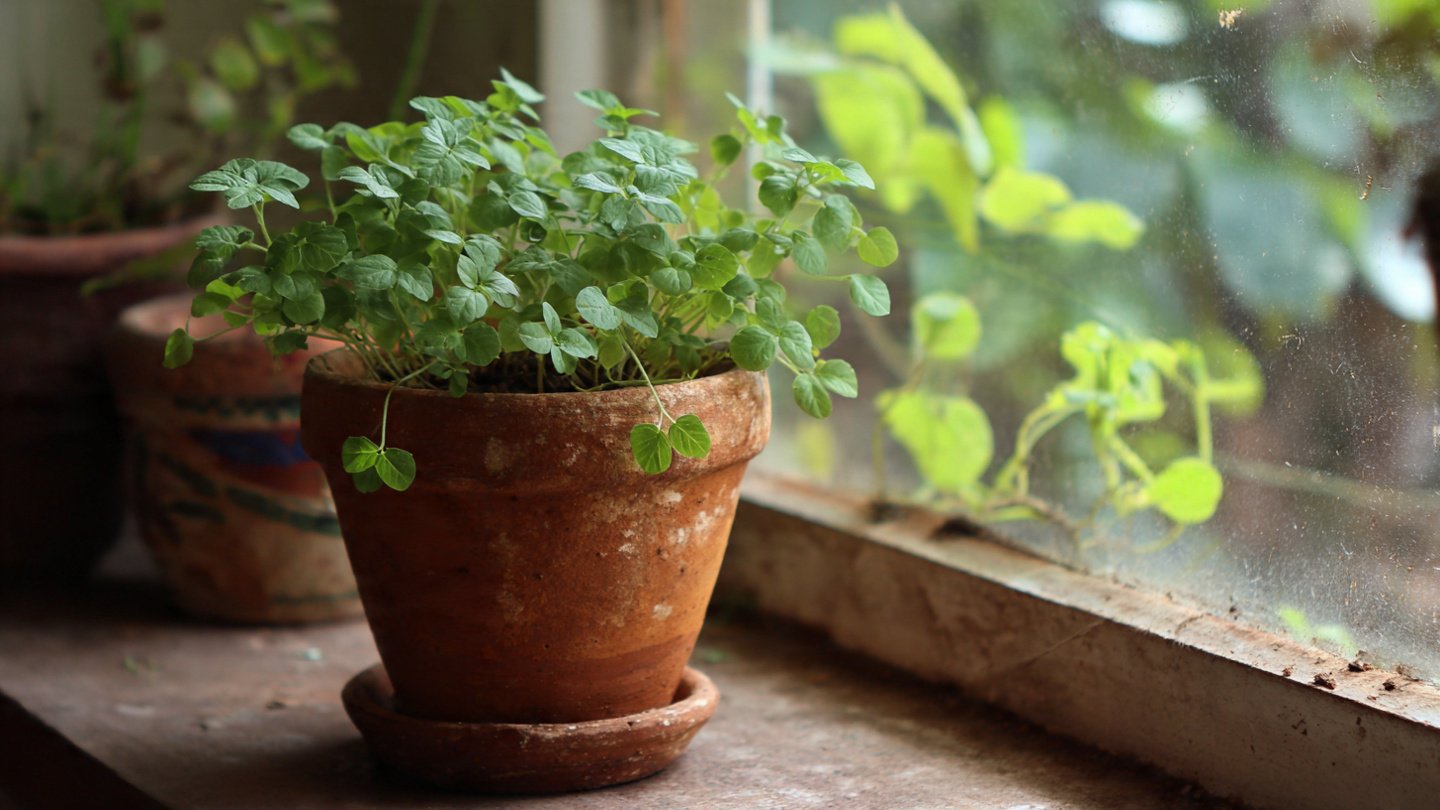
Fenugreek, also known as methi, is a versatile herb used in cooking, traditional medicine, and home remedies. Its slightly bitter, nutty flavor enhances a variety of dishes, from curries and dals to salads and teas. While methi thrives outdoors in sunny gardens, growing it indoors can be challenging, especially in low-light environments. However, with the right techniques, soil preparation, and care, you can enjoy fresh, aromatic methi all year round—even in apartments, small homes, or spaces with limited natural sunlight.
This guide will provide step-by-step strategies for cultivating healthy, vibrant methi indoors, ensuring a consistent supply of this nutritious herb regardless of light conditions.
Why Grow Methi Indoors?
Growing methi indoors offers several benefits:
- Freshness: Homegrown methi retains its natural flavor and aroma, far superior to store-bought options.
- Convenience: Having methi at your fingertips makes meal preparation faster and more flavorful.
- Year-Round Harvest: Indoors, methi is less affected by seasonal changes and weather, allowing continuous growth.
- Space-Saving: Perfect for apartments or homes without garden space, methi can grow in containers, jars, or small planters.
- Health Benefits: Fenugreek is rich in vitamins, minerals, and antioxidants, supporting digestion, blood sugar regulation, and overall wellness.
By mastering indoor cultivation, you can enjoy the herb’s many culinary and medicinal benefits throughout the year.
Step 1: Choosing the Right Containers
The container you choose can significantly affect the growth of indoor methi, particularly in low-light environments:
- Depth: Methi has shallow roots, so containers 4–6 inches deep are sufficient.
- Material: Plastic, clay, or ceramic pots work well. Ensure they are lightweight if you need to move them closer to light sources.
- Drainage: Always use containers with drainage holes to prevent waterlogging, which can cause root rot.
You can also use seed trays, small tubs, or recycled containers to grow methi in multiple batches for continuous harvesting.
Step 2: Selecting Seeds and Soil
High-quality seeds and well-prepared soil form the foundation for healthy indoor methi:
Seed Selection
- Choose organic or untreated fenugreek seeds for better germination and growth.
- Opt for local or trusted varieties that are proven to perform well indoors.
Soil Preparation
- Use a light, well-draining potting mix to prevent waterlogging. A combination of garden soil, compost, and coco coir or perlite works best.
- Maintain slightly acidic to neutral soil (pH 6.0–7.0) to optimize nutrient absorption.
- Enrich the soil with a small amount of organic fertilizer or vermicompost before planting.
Well-prepared soil ensures strong root development and healthy foliage, which is essential in low-light conditions.
Step 3: Planting Methi Seeds
Proper planting techniques maximize germination and growth:
- Sowing Depth: Plant seeds ¼–½ inch deep in the soil.
- Spacing: Sow seeds closely in rows, as methi is typically harvested as microgreens or young leaves.
- Watering: Moisten the soil lightly immediately after sowing. Keep it damp but not soggy.
Cover the container with a thin layer of soil or vermiculite and place it in a location where it can receive indirect light. Seeds usually germinate within 5–7 days under optimal conditions.
Step 4: Managing Light in Low-Light Environments
Since low-light conditions limit plant growth, managing available light is crucial:
- Natural Light: Place the container near a north- or east-facing window to receive indirect sunlight. Avoid placing it in dark corners.
- Artificial Light: Use fluorescent or LED grow lights for 10–12 hours a day to supplement natural light. Position the lights 6–12 inches above the plants for optimal growth.
- Rotation: Rotate containers periodically to ensure even growth and prevent leaning toward the light source.
By providing sufficient light, methi can maintain strong, green leaves and thrive even indoors.
Step 5: Watering and Moisture Management
Maintaining the right moisture level is critical, especially in low-light indoor environments:
- Water regularly to keep the soil evenly moist.
- Avoid overwatering, as low-light conditions slow down soil evaporation, increasing the risk of root rot.
- Mist the plants occasionally to maintain humidity, which encourages healthier leaf development.
Proper water management ensures methi grows lush and tender without stress from drought or excess moisture.
Step 6: Fertilizing Indoor Methi
Nutrients are key to maximizing growth and leaf production:
- Use a balanced liquid fertilizer once every 2–3 weeks to supplement the soil.
- Organic options like fish emulsion or compost tea are gentle and effective for indoor plants.
- Avoid excessive nitrogen, which can lead to soft, leggy growth instead of compact, flavorful leaves.
Fertilizing ensures your methi plants are nourished and produce a steady supply of edible leaves.
Step 7: Pruning and Harvesting
Regular pruning encourages healthier, bushier growth:
- Begin harvesting when plants are 4–6 inches tall. Cut leaves from the top, leaving the base intact to allow regrowth.
- Pinch tips periodically to encourage branching and prevent legginess.
- Avoid cutting more than one-third of the plant at a time to reduce stress.
Frequent harvesting promotes continuous growth and ensures a constant supply of fresh methi leaves.
Step 8: Managing Pests and Diseases
Even indoors, methi can face pests and diseases:
- Common Pests: Aphids, whiteflies, and spider mites. Control with neem oil, insecticidal soap, or gentle spraying.
- Diseases: Root rot or powdery mildew can develop in poorly ventilated or overwatered conditions.
- Prevention: Ensure proper drainage, avoid overcrowding, and maintain good airflow around plants.
Healthy plants are more productive and less stressed, which is essential for low-light indoor cultivation.
Tips for Maximizing Growth in Low-Light Conditions
- Use reflective surfaces: Place white or reflective panels near plants to increase light exposure.
- Grow in layers: Use tiered shelves to place multiple trays closer to light sources.
- Rotate crops: Plant successive batches every 2–3 weeks to ensure continuous harvest.
- Companion planting: Herbs like basil and coriander can grow alongside methi and share nutrients effectively.
- Temperature Control: Maintain indoor temperatures between 18–25°C (65–77°F) for optimal growth.
These small adjustments make a significant difference in low-light environments.
Benefits of Growing Methi Indoors
- Continuous Supply: Enjoy fresh fenugreek leaves all year, regardless of season.
- Space-Efficient: Ideal for apartments, kitchen counters, or small balconies.
- Cost-Effective: Avoid frequent trips to the market by producing your own herbs.
- Health Benefits: Rich in vitamins, minerals, and antioxidants for better nutrition.
Indoor cultivation of methi combines convenience, flavor, and health in one compact package.
Final Thoughts
Growing methi indoors in low-light environments is entirely achievable with the right techniques. By selecting quality seeds, preparing soil properly, managing light, watering correctly, fertilizing, and harvesting strategically, you can maintain a thriving indoor herb garden. Even limited spaces can produce lush, flavorful methi leaves for cooking, garnishing, and wellness purposes.
With consistent care, attention, and a few clever adjustments, indoor methi can become a reliable source of fresh herbs year-round. Whether you’re an apartment dweller or a gardening enthusiast with limited natural light, these techniques ensure your indoor fenugreek grows healthy, productive, and flavorful—bringing the taste of homegrown freshness right into your kitchen.