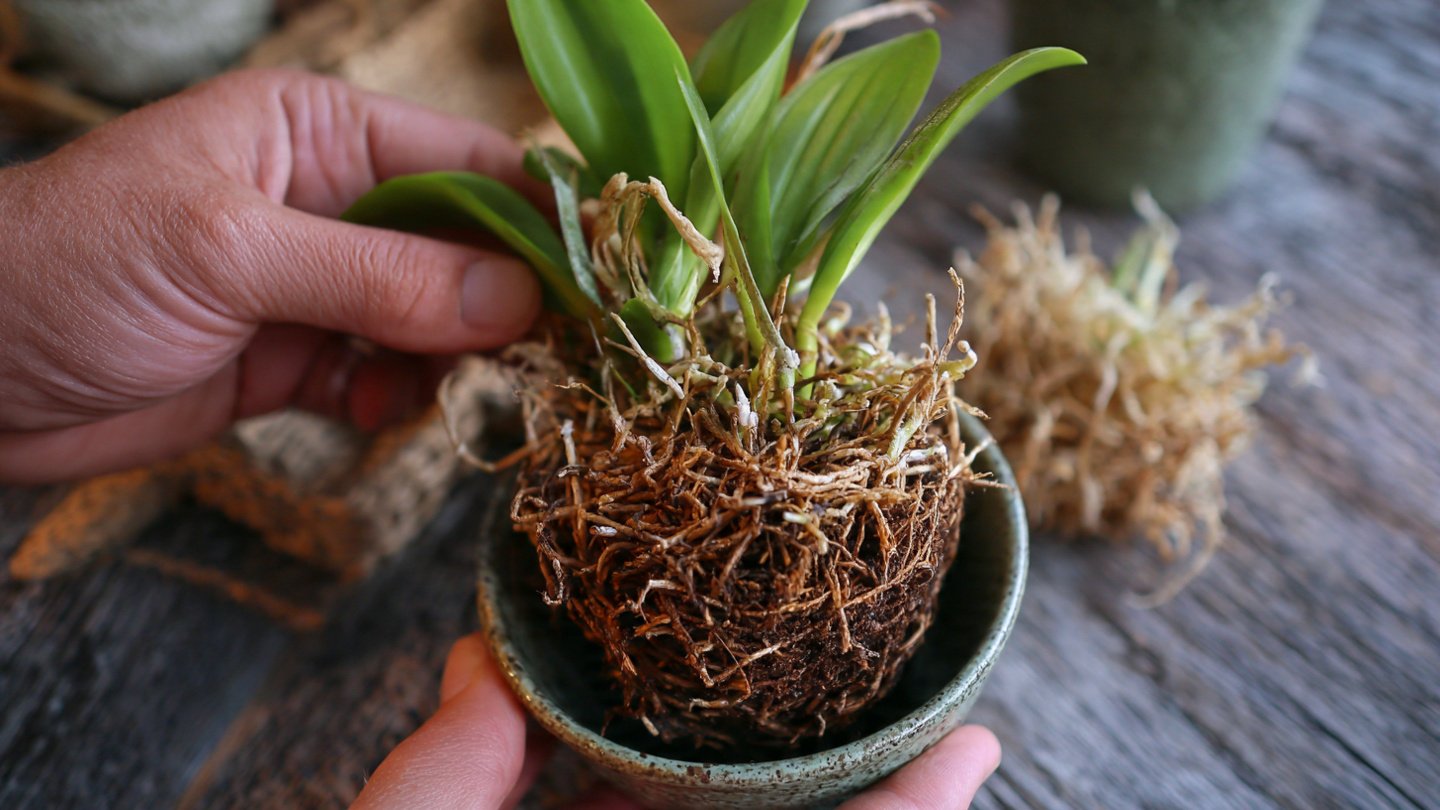
Orchids are among the most exquisite and delicate plants in the world of indoor gardening. Their elegant flowers and unique growth patterns make them highly sought after by plant enthusiasts. However, many orchid lovers focus primarily on the blooms and leaves, often overlooking one of the plant’s most critical features: its aerial roots. These roots are not only essential for the orchid’s overall health but are also a key indicator of how well the plant is thriving. Nurturing your orchid’s aerial roots properly can lead to lush, vigorous growth and longer-lasting blooms. Here’s a comprehensive guide to understanding, caring for, and optimizing your orchid’s aerial roots.
Understanding Orchid Aerial Roots
Before diving into care techniques, it’s important to understand what aerial roots are and why they are crucial. Unlike typical underground roots, orchid aerial roots grow above the soil or growing medium. They are covered with a spongy tissue called velamen, which helps absorb moisture and nutrients from the air. In their natural habitat, many orchids grow as epiphytes, attaching themselves to trees and rocks rather than soil. Their aerial roots allow them to cling to these surfaces while drawing moisture and nutrients directly from the humid air.
Aerial roots serve several functions:
- Absorbing water and nutrients: Even though they may look dry and fragile, aerial roots are highly efficient at taking in water and dissolved nutrients from rain, mist, or the air.
- Anchoring the plant: These roots stabilize orchids, especially those growing in hanging baskets or mounted on bark.
- Respiration: Aerial roots play a role in gas exchange, allowing oxygen to reach the plant’s internal tissues. Healthy roots indicate that your orchid can breathe and metabolize properly.
Recognizing the difference between healthy and unhealthy aerial roots is the first step toward nurturing them.
Identifying Healthy Aerial Roots
Healthy aerial roots are firm, plump, and have a green or silvery-green appearance. They are flexible and resilient when gently touched. In contrast, unhealthy roots may be shriveled, dry, brown, or mushy. Brown or black roots often indicate rot, while shriveled, silvery roots signal dehydration. By regularly inspecting your orchid’s aerial roots, you can quickly catch problems before they impact the plant’s overall health.
Creating the Ideal Environment
The condition of your orchid’s aerial roots is largely determined by the environment in which the plant grows. To encourage lush growth, consider the following factors:
1. Humidity
Orchids thrive in environments with high humidity, typically between 50–70%. Aerial roots, in particular, require moisture in the air to function optimally. If your home has dry air, especially during winter, consider using a humidifier or placing your orchid on a humidity tray. Grouping orchids together can also naturally increase local humidity levels. Regular misting of the aerial roots can help, but avoid over-saturating them, as this can encourage rot.
2. Light
While orchids need bright light for photosynthesis, their aerial roots are sensitive to direct sunlight. Too much intense sun can dry out and damage the roots. The ideal situation is indirect sunlight or filtered light. East- or south-facing windows with sheer curtains work well, or fluorescent grow lights can supplement natural light.
3. Air Circulation
Good airflow is essential for keeping aerial roots healthy. Stagnant air can lead to fungal or bacterial infections, while gentle airflow ensures that the roots dry appropriately after watering or misting. Placing a small fan on a low setting near your orchid can promote circulation without creating harsh drafts.
Watering Techniques for Aerial Roots
Watering orchids properly is one of the most common challenges for growers. Because aerial roots absorb moisture directly, it’s essential to use techniques that hydrate without oversaturating.
- Soak and Drain: When watering, allow water to flow over the roots, whether in a pot or a mounted setup, then let it drain completely. Avoid letting the plant sit in water.
- Misting: Light misting a few times a week can provide the aerial roots with humidity. Use a fine mist and ensure the water is at room temperature.
- Observation: Healthy aerial roots will change color when they absorb water, often turning a deeper green. This natural visual cue can guide your watering schedule.
Feeding Your Aerial Roots
Orchid aerial roots also absorb nutrients from the environment, so proper feeding is important. Use a balanced, water-soluble orchid fertilizer (such as 20-20-20) diluted to half the recommended strength. Fertilize every 2–4 weeks during the active growth season. Avoid fertilizing aerial roots directly with undiluted fertilizer, as this can burn them. Instead, let some of the diluted fertilizer drip over the roots during watering, mimicking natural rainfall.
Supporting and Arranging Aerial Roots
Many growers are tempted to trim or hide aerial roots, but this can be detrimental to the plant’s health. Instead, consider ways to support and showcase them:
- Allow natural growth: Aerial roots should be free to grow naturally. Avoid tucking them entirely into the potting medium or cutting healthy roots.
- Provide structural support: For orchids in hanging baskets or mounted on bark, gently tie aerial roots to supports with soft plant ties or moss. This encourages the roots to grow securely without damage.
- Display their beauty: Aerial roots have a unique aesthetic appeal. Healthy, silver-green roots climbing along bark or cascading over a pot enhance the visual beauty of your orchid.
Common Problems and Solutions
Even with attentive care, orchid aerial roots can experience issues. Here are some common problems and their solutions:
1. Root Shriveling
Cause: Dehydration due to low humidity or infrequent watering.
Solution: Increase misting frequency, improve air humidity, and ensure the plant receives adequate indirect light.
2. Root Rot
Cause: Excess water or poor drainage.
Solution: Trim affected roots with sterilized scissors, allow the plant to dry slightly before watering again, and ensure proper airflow around roots.
3. Discoloration
Cause: Nutrient deficiency or sunburn.
Solution: Adjust fertilization schedule, avoid direct sunlight, and maintain balanced humidity levels.
Repotting and Root Health
Repotting is another key factor in nurturing aerial roots. Orchids generally require repotting every 1–2 years. During repotting:
- Inspect roots carefully and trim only dead or rotted sections.
- Use a coarse, well-draining orchid mix (such as bark or sphagnum moss).
- Avoid burying aerial roots unnecessarily; let them remain exposed to air.
Proper repotting allows aerial roots to continue their role in moisture absorption and respiration, promoting overall plant vigor.
Encouraging New Aerial Root Growth
To stimulate lush growth of aerial roots:
- Optimal lighting and humidity: Ensure bright, indirect light and maintain humidity around 50–70%.
- Consistent watering and feeding: Water appropriately and fertilize with a diluted orchid fertilizer.
- Environmental mimicry: Consider mounting orchids on bark slabs, cork, or tree fern, mimicking their natural epiphytic growth environment. Aerial roots thrive in this setup.
- Temperature: Most orchids prefer daytime temperatures of 70–80°F (21–27°C) and nighttime temperatures around 60–65°F (15–18°C). This temperature range encourages active growth, including root development.
The Rewards of Healthy Aerial Roots
When aerial roots are properly nurtured, the benefits extend throughout the plant:
- Stronger, more vibrant blooms: Healthy roots supply nutrients and water efficiently, supporting stunning flowers.
- Increased longevity: A well-rooted orchid is more resilient to stress and disease.
- Natural beauty: Exposed aerial roots enhance the visual appeal of your plant, making it a living piece of art.
Conclusion
Orchid aerial roots are often overlooked, yet they are fundamental to the health and beauty of your plant. By understanding their function, providing optimal environmental conditions, watering and feeding properly, and giving them room to grow naturally, you can nurture aerial roots that are robust and lush. Observing your orchid’s aerial roots gives insight into the plant’s overall health and allows you to intervene before problems become severe. With consistent care and attention, your orchid will not only thrive but also showcase its full splendor, roots and all.
Remember, the secret to a thriving orchid isn’t just in the blooms—it’s in the roots that feed, support, and sustain them. Treat your aerial roots with the respect they deserve, and your orchid will reward you with a lifetime of beauty and growth.