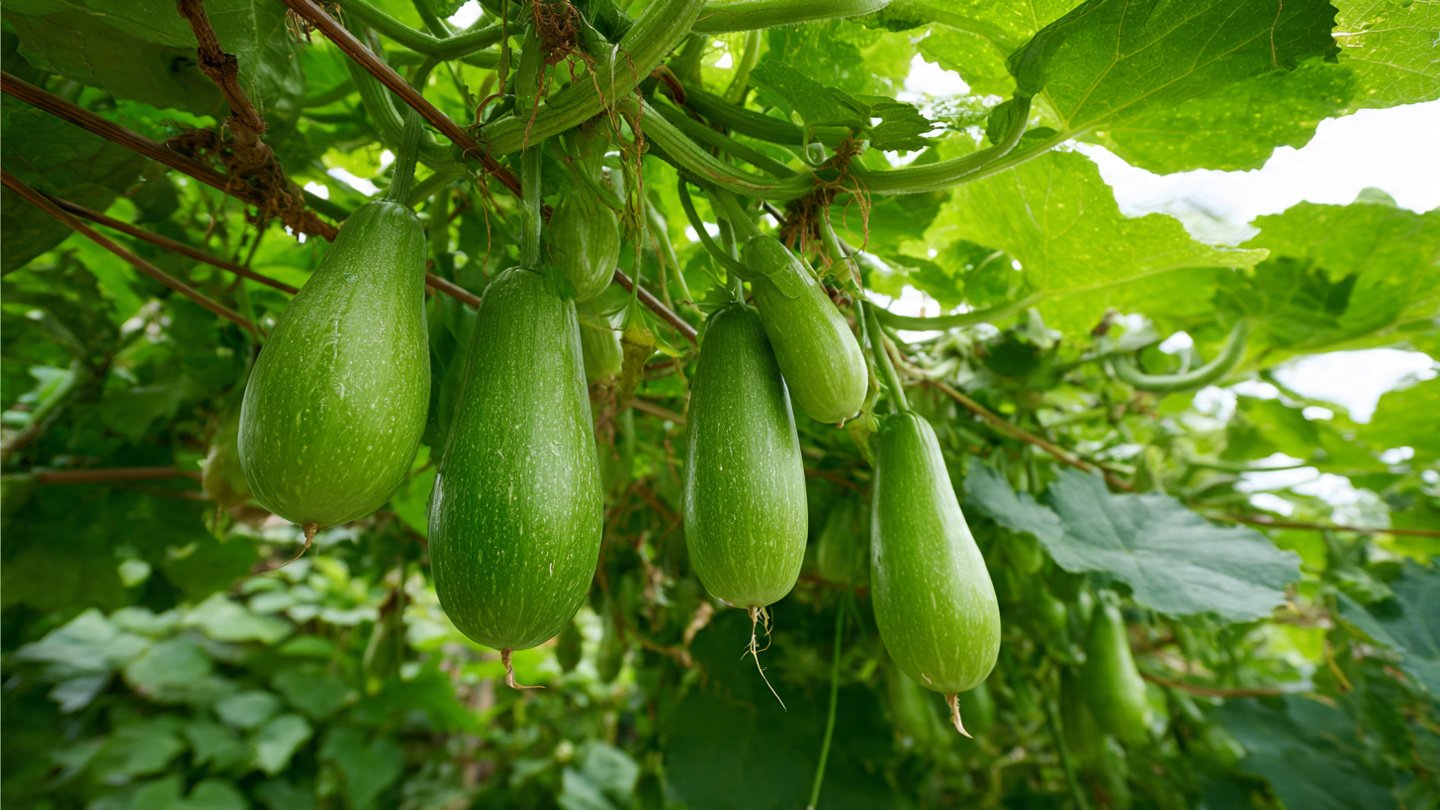
Bottle gourd (Lagenaria siceraria), also known as calabash or lauki, is a versatile vine widely grown in home gardens for its edible fruits, high yield, and ease of cultivation. While bottle gourd is relatively easy to grow, its vining nature means that without proper training, the plant can sprawl across the ground, making harvesting difficult, increasing pest and disease risks, and reducing airflow. By implementing simple training techniques, gardeners can guide the creeper efficiently, maximize sunlight exposure, improve fruit quality, and create an organized, productive garden. This guide explores practical methods for training bottle gourd creepers at home.
Understanding Bottle Gourd Growth
Before training, it is important to understand the growth habits of bottle gourd:
- Vining Nature: Bottle gourd is a climbing vine that can grow up to 12–15 feet in a single season.
- Tendrils: The plant uses tendrils to latch onto supports, making trellising or staking highly effective.
- Fruit Development: Fruits grow along the vine and hang downward when trained vertically, reducing the risk of rot and pest attack.
- Sunlight Requirements: Proper exposure to sunlight is critical for flowering, fruiting, and overall plant health.
By understanding its growth pattern, gardeners can choose training methods that maximize space and yield.
Benefits of Training Bottle Gourd Creepers
Training bottle gourd creepers offers several advantages:
- Improved Air Circulation: Vertical growth reduces leaf crowding, lowering the risk of fungal diseases.
- Better Sunlight Exposure: All parts of the vine receive adequate sunlight, promoting healthy flowering and fruiting.
- Ease of Harvest: Fruits hanging vertically are easier to see, access, and pick.
- Space Optimization: Vertical growth allows gardeners to save ground space for other crops.
- Reduced Pest Problems: Fruits kept off the ground are less prone to soil-borne pests and rot.
These benefits make training an essential practice for maximizing both yield and garden health.
Selecting the Right Support Structures
Bottle gourd requires sturdy supports for vertical growth. Here are common options:
1. Trellises
- Constructed from bamboo, wood, or metal, trellises provide a vertical frame for vines.
- Height: 6–8 feet is sufficient for most backyard varieties.
- Spacing: Allow 2–3 feet between trellis frames for airflow and ease of maintenance.
2. Poles and Stakes
- Individual wooden or metal stakes can be placed near each plant.
- Tie the vine loosely to the stake as it grows.
- Ideal for small spaces or container gardens.
3. Netting and Wire Mesh
- Durable netting or wire mesh can support multiple vines.
- Attach the net vertically or in an A-frame design to guide growth.
- Ensure it is taut to prevent sagging under fruit weight.
Choosing the right support ensures that the vine climbs efficiently without breaking or sprawling.
Simple Techniques for Training the Vine
Proper training techniques encourage upward growth while preventing damage:
1. Initial Guidance
- Once the vine reaches 6–8 inches in length, gently wrap it around the support.
- Use soft ties, strips of cloth, or garden twine to avoid damaging the stem.
- Direct the main shoot upward while keeping lateral branches manageable.
2. Pruning for Control
- Remove weak, yellow, or overcrowded shoots to prevent energy diversion.
- Pinch the growing tips once the vine reaches the top of the support to encourage lateral branching.
- Training lateral branches along horizontal strings or mesh maximizes fruiting space.
3. Regular Observation
- Check daily or every few days to adjust ties and redirect the vine.
- Ensure tendrils latch securely onto the support to prevent drooping.
- Reposition vines that start twisting away from the structure.
Consistent monitoring ensures the plant grows vertically without tangling or sprawling.
Techniques for Supporting Heavy Fruits
Bottle gourd fruits can be long and heavy, making additional support necessary:
- Fruit Slings: Use soft cloth, net bags, or old stockings to cradle the fruit and attach it to the support.
- Prevent Breakage: Slings reduce stress on the vine and prevent fruits from pulling off prematurely.
- Even Distribution: Place slings for each fruit to maintain balance and avoid overcrowding along the vine.
Supporting heavy fruits ensures they grow straight, healthy, and unblemished.
Managing Lateral Growth
Bottle gourd vines naturally produce lateral branches. Managing these branches is essential:
- Horizontal Strings: Tie lateral branches horizontally along a wire or string to expand the fruiting area.
- Pruning Excess Branches: Remove unnecessary branches to prevent overcrowding.
- Leaf Maintenance: Trim older or yellowing leaves to enhance sunlight penetration.
Effective lateral management ensures better airflow, fruit quality, and easier access during harvest.
Fertilization and Training
Nutrient management complements physical training:
- Nitrogen for Leaves: Early growth requires nitrogen-rich fertilizer to encourage strong vine development.
- Phosphorus for Flowers: Phosphorus promotes flower and fruit formation once the vine is trained.
- Potassium for Fruit: Potassium improves fruit size, quality, and disease resistance.
- Regular Feeding: Apply balanced fertilizers every 2–3 weeks during the growing season.
Healthy vines with adequate nutrients respond better to training and produce higher yields.
Irrigation and Moisture Management
Proper watering supports training success:
- Consistent Moisture: Keep soil evenly moist to encourage strong root and vine growth.
- Avoid Waterlogging: Excess water can weaken the vine and promote fungal diseases.
- Mulching: Apply mulch around the base to conserve moisture, regulate soil temperature, and reduce weed competition.
Well-hydrated vines climb effectively and produce better fruits.
Pest and Disease Control for Trained Vines
Training alone cannot prevent pests, but it reduces risk by improving airflow and sunlight:
- Common Pests: Aphids, fruit flies, and caterpillars may attack leaves or fruits. Use organic sprays or neem oil for control.
- Fungal Diseases: Powdery mildew or downy mildew are common in dense, untrained growth. Vertical training reduces humidity, limiting disease spread.
- Sanitation: Remove infected leaves and fruits to prevent secondary infestations.
Combining training with pest and disease management ensures healthy, productive plants.
Harvesting from Trained Bottle Gourd Vines
Training simplifies harvesting and improves fruit quality:
- Visibility: Fruits hanging vertically are easy to spot.
- Accessibility: Vertical growth allows harvesting without bending or reaching under dense foliage.
- Timing: Harvest when fruits reach desired size but remain tender. Overripe fruits may harden and lose quality.
- Post-Harvest Handling: Avoid dropping fruits to prevent bruising.
Proper harvesting techniques, combined with training, maximize yield and fruit quality.
Container Gardening and Small Spaces
Even in limited spaces, training bottle gourd vines is possible:
- Vertical Supports: Use trellises, A-frames, or cages inside pots or raised beds.
- Compact Varieties: Choose smaller cultivars or hybrids suited for container growth.
- Maintenance: Monitor moisture, fertilize regularly, and prune lateral branches to prevent overcrowding.
Vertical training makes bottle gourd feasible for balconies, patios, and small backyard gardens.
Common Mistakes to Avoid
- Neglecting Support: Allowing vines to sprawl on the ground increases pest and disease risk.
- Tying Too Tight: Constricting the vine can damage the stem and reduce growth.
- Ignoring Lateral Growth: Unmanaged branches reduce airflow and lower fruit quality.
- Overcrowding: Planting too close together prevents proper training and reduces yield.
Avoiding these mistakes ensures successful vine training and higher harvests.
Conclusion
Training bottle gourd creepers is a simple yet highly effective technique to maximize yield, fruit quality, and garden organization. By understanding the plant’s growth habits, selecting proper supports, guiding vines vertically, managing lateral growth, and supporting heavy fruits, gardeners can enjoy abundant, healthy harvests in home gardens.
Key takeaways for successful training include:
- Choose sturdy trellises, poles, or mesh to support vertical growth.
- Guide the main vine early and adjust regularly to prevent tangling.
- Use fruit slings to prevent heavy fruits from damaging the vine.
- Prune excess branches to improve airflow and sunlight exposure.
- Maintain proper irrigation, fertilization, and pest control.
By applying these techniques, even beginner gardeners can cultivate a thriving bottle gourd vine, saving space, reducing disease risk, and harvesting abundant, high-quality fruits season after season.