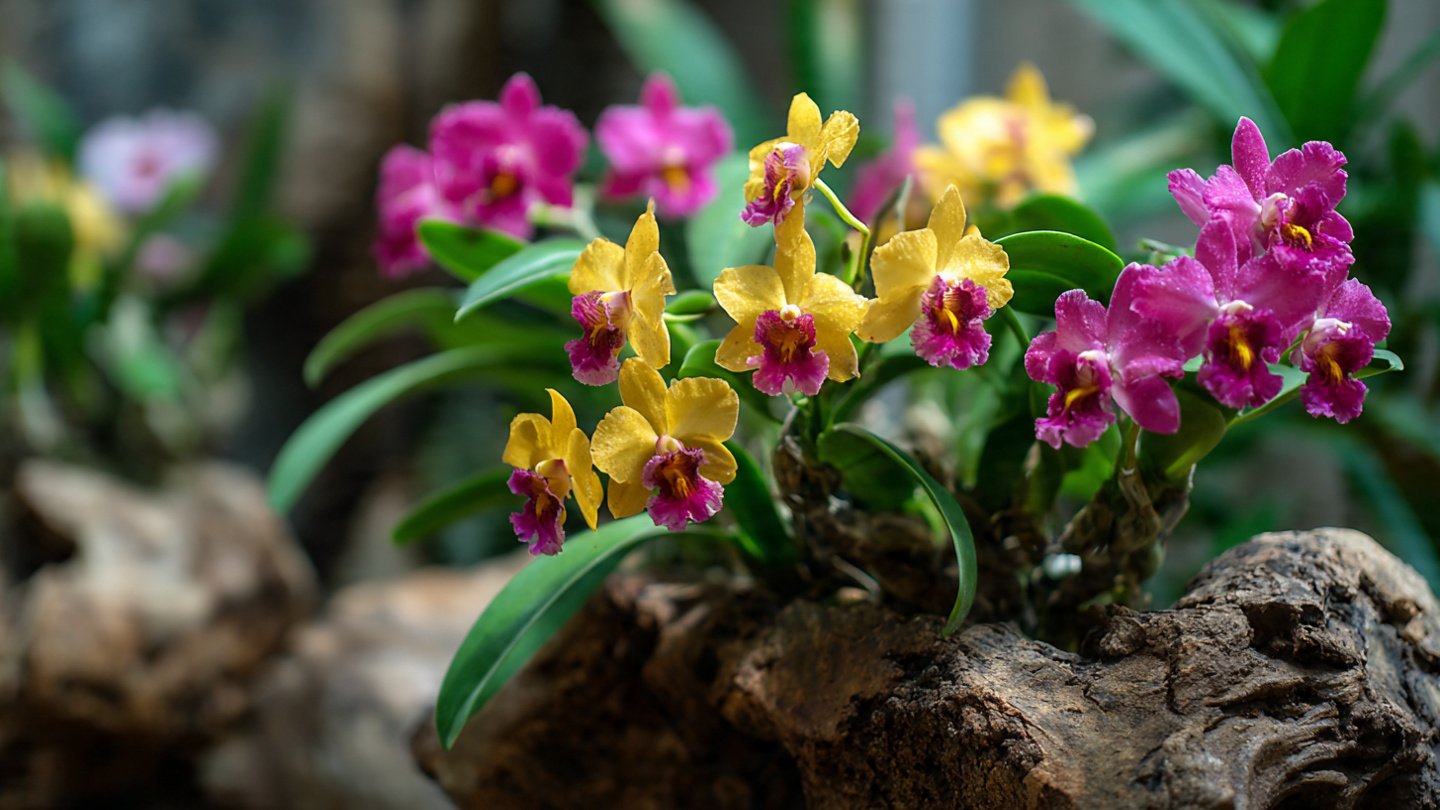
Orchids are among the most elegant and captivating plants in any garden or home. Their vibrant, intricate flowers and long-lasting blooms make them a favorite among plant enthusiasts. However, growing orchids successfully requires understanding their specific needs, especially their choice of growing medium. One of the most effective methods for healthy orchid growth is using a bark mix. Whether you are a beginner or an experienced grower, this method ensures strong roots, better air circulation, and spectacular blooms.
This guide will take you step by step through the best method to grow orchids in a bark mix, covering everything from selecting the right bark to watering, fertilizing, and caring for your orchids.
Why Choose Bark Mix for Orchids?
Orchids are epiphytic plants in nature, meaning they grow on trees or other plants rather than in soil. A bark mix mimics this natural environment and provides several advantages:
- Excellent drainage: Prevents waterlogging, reducing the risk of root rot.
- Air circulation: Promotes healthy roots that breathe easily.
- Natural support: Helps orchids attach their roots as they would in their natural habitat.
- Reduced disease risk: Dry bark reduces fungal and bacterial infections compared to soil.
By choosing a bark mix, you can replicate the orchid’s natural environment, resulting in stronger plants and more vibrant blooms.
Selecting the Right Bark
Choosing high-quality bark is crucial for orchid health. The most commonly used types include:
- Fir bark: Coarse texture, excellent for large epiphytic orchids like Phalaenopsis and Cattleya.
- Pine bark: Fine to medium size, retains some moisture while maintaining airflow.
- Redwood bark: Durable and long-lasting, ideal for larger containers.
Avoid bark that is too fine, as it can compact and retain too much moisture, leading to root rot. Fresh, untreated bark is preferred for optimal results.
Preparing the Bark Mix
A proper bark mix provides the right balance of moisture retention and aeration. For most orchids, I recommend:
- 60–70% medium to coarse bark (primary component)
- 10–20% sphagnum moss (optional, for moisture retention)
- 10% perlite or charcoal (improves aeration and prevents odor)
Before using, soak the bark in water overnight to remove dust and soften it. This ensures the roots have immediate access to moisture and nutrients once potted.
Choosing the Right Container
Orchid containers are specialized to support epiphytic growth:
- Plastic pots with drainage holes: Lightweight and retain some moisture, ideal for beginners.
- Slotted or mesh pots: Allow maximum air circulation, preferred by experienced growers.
- Transparent pots: Useful for monitoring root health and adjusting watering schedules.
Ensure the container is just large enough to accommodate the orchid’s roots. Overly large pots can retain too much moisture, increasing the risk of root rot.
Planting Orchids in Bark
Planting orchids correctly in bark is essential for long-term growth:
- Gently remove the orchid from its previous medium, cleaning off old soil or decayed bark.
- Inspect roots and trim any damaged or rotting portions with sterilized scissors.
- Place a layer of bark at the bottom of the pot for drainage.
- Position the orchid in the center, spreading roots gently over the bark.
- Fill around the roots with bark mix, ensuring the orchid is stable but not buried.
- Water lightly after planting to settle the bark and roots.
Avoid compacting the bark tightly; roots need space for airflow and growth.
Sunlight Requirements
Orchids thrive in bright, indirect sunlight:
- Phalaenopsis: Prefer filtered light, avoiding direct afternoon sun.
- Cattleya: Enjoy bright light with some direct morning sun.
- Dendrobium: Require strong light but not scorching direct sun.
Too little light leads to weak stems and poor flowering, while excessive light can scorch leaves. Adjust placement based on species and season.
Watering Orchids in Bark Mix
Watering orchids in bark requires a delicate balance:
- Water thoroughly but allow the bark to dry slightly between watering.
- Frequency depends on climate and container type—usually once a week for indoor orchids.
- Avoid letting water sit at the base of the pot.
- Mist leaves occasionally for humidity without over-saturating roots.
Bark provides excellent drainage, but orchids still require monitoring to prevent under- or overwatering.
Fertilizing Orchids
Regular feeding encourages healthy growth and abundant blooms:
- Use a balanced orchid fertilizer (20-20-20) diluted to half strength.
- Fertilize every 2–3 weeks during active growth periods.
- Reduce feeding during dormancy to prevent stress.
- Flush the bark with water occasionally to prevent salt buildup from fertilizers.
Proper fertilization ensures strong roots, vibrant foliage, and prolific flowers.
Pruning and Care
Orchids require regular maintenance for long-term health:
- Trim dead or yellowing leaves to maintain plant energy.
- Cut spent flower spikes to encourage new growth.
- Check for pests like aphids, mealybugs, or spider mites and treat promptly.
- Repot every 1–2 years or when bark breaks down.
Consistent care prevents disease, improves growth, and extends the life of your orchid.
Monitoring Root Health
Roots are the lifeline of orchids. Healthy roots are firm and green or silvery when dry.
- Avoid overwatering, which leads to black, mushy roots.
- Ensure roots have access to air; avoid packing bark too tightly.
- Use transparent pots to observe root condition and adjust watering if necessary.
Strong roots directly contribute to better flowering and plant vigor.
Flowering Tips
To encourage flowering in bark-grown orchids:
- Provide adequate light according to species requirements.
- Maintain moderate humidity (50–70%).
- Ensure stable temperature ranges: most orchids prefer 18–25°C during the day and slightly cooler at night.
- Avoid sudden environmental changes, which can stress plants and delay blooms.
With proper care, orchids will reward you with long-lasting, spectacular flowers multiple times a year.
Common Challenges and Solutions
- Root rot: Usually caused by overwatering or compacted bark. Use coarse, well-draining bark and proper watering techniques.
- Yellowing leaves: Can indicate under- or overwatering, nutrient deficiency, or low light. Adjust care accordingly.
- Pests: Treat with neem oil, insecticidal soap, or remove manually.
- Bark decomposition: Replace bark every 1–2 years to maintain aeration and drainage.
Early detection and preventive care keep orchids thriving and flowering beautifully.
Final Thoughts
Growing orchids in bark mix is an excellent method for both beginners and experienced growers. This technique replicates the orchid’s natural habitat, providing strong roots, proper drainage, and excellent air circulation. With careful attention to planting, watering, light, and nutrition, orchids can thrive in your home, balcony, or garden space.
By following this guide, you can cultivate healthy, vibrant orchids that produce stunning blooms year after year. The elegance and charm of orchids grown in bark are unmatched, making your home or garden a true showcase of beauty and sophistication.