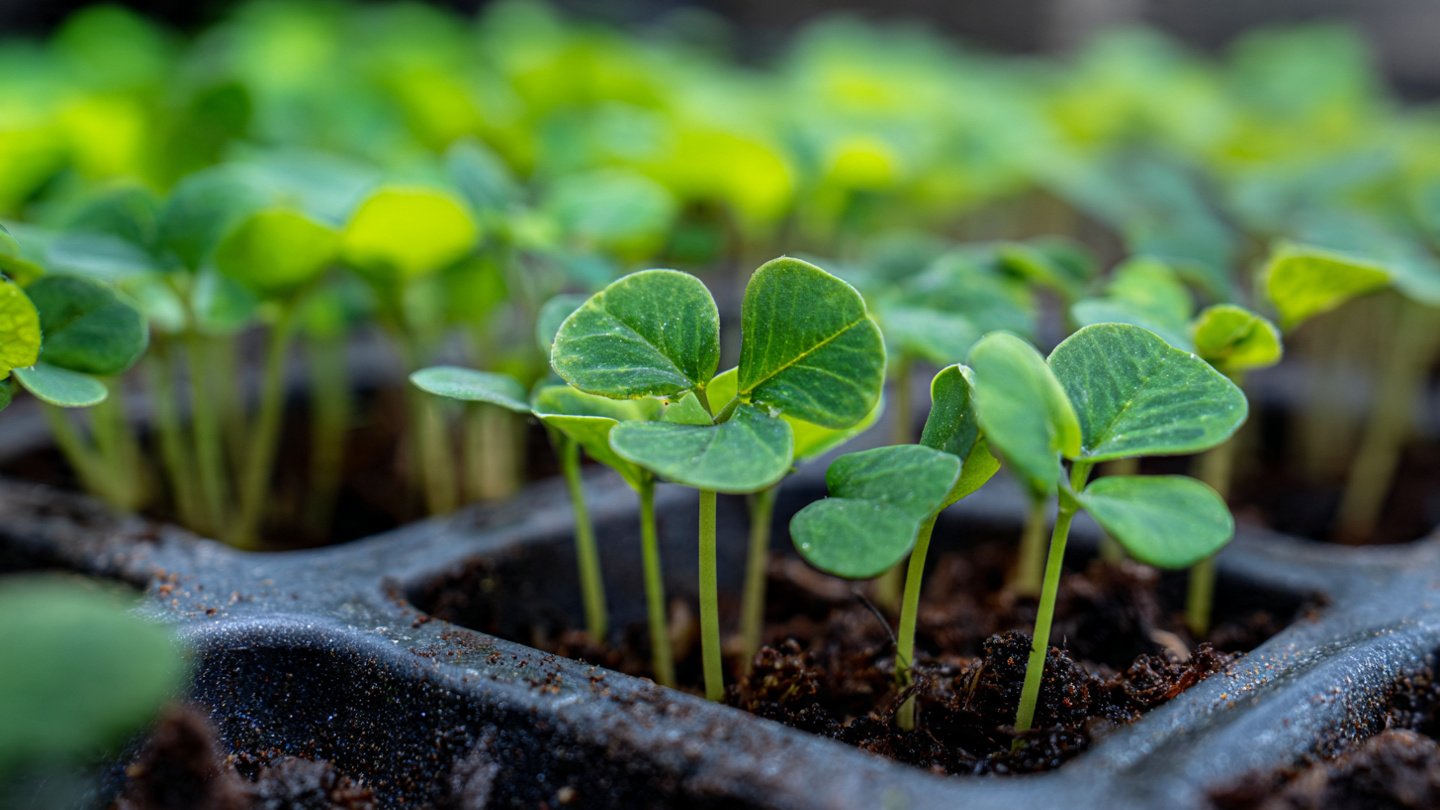
Fenugreek (Trigonella foenum-graecum) is a versatile herb valued for its nutritional benefits, distinctive flavor, and culinary uses. Known for its high protein content, antioxidants, and vitamins, fenugreek is not only a kitchen staple but also a superfood in its microgreen form. Cultivating fenugreek microgreens at home is surprisingly easy and doesn’t require much space, making it perfect for apartments, balconies, or small kitchens.
In this guide, we’ll explore a simple tray method to grow fenugreek microgreens at home, covering materials, step-by-step instructions, care tips, and harvesting techniques to ensure a healthy, flavorful yield.
Why Grow Fenugreek Microgreens?
Fenugreek microgreens are the young seedlings of the fenugreek plant, harvested just after the first leaves emerge. These microgreens are packed with nutrients and have a mild, slightly bitter flavor that enhances salads, smoothies, sandwiches, and soups.
Benefits of growing your own fenugreek microgreens include:
- High Nutritional Value: Rich in iron, calcium, vitamin C, vitamin K, and protein.
- Quick Growth: Microgreens are ready to harvest within 7–12 days.
- Space-Efficient: Perfect for home gardeners with limited space.
- Freshness and Flavor: Homegrown microgreens are fresher and more flavorful than store-bought options.
- Cost-Effective: Growing microgreens is inexpensive, requiring only seeds, trays, and basic supplies.
Materials You’ll Need
You don’t need a large garden to grow fenugreek microgreens. Here’s a simple list of essentials:
- Fenugreek seeds (organic or untreated)
- Shallow growing trays with drainage holes
- Growing medium (soil, coconut coir, or seed-starting mix)
- Spray bottle for watering
- Light source (sunny window or LED grow light)
- Small tray or plate to catch excess water
Optional but helpful items include a fine sieve for rinsing seeds and a humidity dome or plastic cover to speed up germination.
Step 1: Soak the Seeds
Start by soaking fenugreek seeds in clean water for 6–12 hours or overnight. Soaking softens the seed coat and accelerates germination. Use enough water to fully submerge the seeds, as they will swell during this period.
After soaking, drain and rinse the seeds thoroughly to prevent mold growth.
Step 2: Prepare the Tray
Select a shallow tray (1–2 inches deep) with drainage holes. Fill it with about 1–2 inches of your chosen growing medium. Lightly moisten the soil or coir with a spray bottle. Avoid overwatering, as soggy medium can lead to rot or fungal growth.
Spread the seeds evenly across the tray, ensuring they are not too crowded. Fenugreek seeds can be sown thickly, as microgreens will be harvested before full leaf development.
Step 3: Cover and Germinate
Cover the seeds lightly with a thin layer of growing medium, just enough to keep them in place. Then, mist the surface gently with water. To encourage germination:
- Keep the tray in a warm, dark place for the first 2–3 days.
- Cover the tray with a lid, plastic wrap, or a humidity dome to maintain moisture.
Check daily to ensure the seeds stay moist but not waterlogged. Within 2–3 days, the seeds will begin to sprout.
Step 4: Provide Light
Once the seeds sprout and tiny green shoots appear, remove the cover and move the tray to a bright location. Fenugreek microgreens need 4–6 hours of sunlight per day or an equivalent amount of artificial light from an LED grow light.
Light is essential for green, healthy leaves. Rotate the tray daily if using natural sunlight to ensure even growth.
Step 5: Watering and Care
Fenugreek microgreens require consistent moisture but are sensitive to overwatering:
- Use a spray bottle to mist the leaves and medium 1–2 times per day.
- Avoid puddles, which can encourage mold growth.
- Keep the tray in a well-ventilated area to improve airflow.
Optional: Gently thin out seedlings if overcrowded. This prevents competition for light and nutrients, promoting stronger, healthier microgreens.
Step 6: Harvesting Fenugreek Microgreens
Fenugreek microgreens are typically ready to harvest 7–12 days after sowing, when they reach 2–4 inches in height and have developed their first true leaves. To harvest:
- Use scissors or a sharp knife to cut the microgreens just above the soil level.
- Rinse gently under water to remove any soil particles.
- Dry with a paper towel or in a salad spinner, then store in a refrigerator for up to a week.
Harvesting microgreens at the right stage ensures optimal flavor, tenderness, and nutritional value.
Tips for Success
- Seed Quality: Choose fresh, organic seeds for the best germination and flavor.
- Temperature: Fenugreek microgreens grow best at 65–75°F (18–24°C). Avoid extreme heat or cold.
- Light Exposure: Insufficient light can result in tall, leggy shoots with weak stems.
- Sanitation: Clean trays and tools between batches to prevent mold or disease.
- Continuous Supply: Sow new trays every 1–2 weeks for a steady harvest of fresh microgreens.
With practice, you can fine-tune your microgreen system to produce vibrant, nutrient-rich greens year-round.
Common Problems and Solutions
- Mold or fungal growth: Reduce watering, improve ventilation, and ensure proper spacing.
- Weak or leggy shoots: Increase light intensity or duration.
- Slow germination: Check seed viability and ensure proper soaking.
- Bitter flavor: Over-mature microgreens may taste bitter; harvest at the recommended stage.
Monitoring your trays and adjusting care as needed helps maintain a healthy microgreen crop.
Benefits of Growing Fenugreek Microgreens at Home
- Nutrient-Dense: Microgreens have concentrated vitamins, minerals, and antioxidants compared to mature plants.
- Culinary Versatility: Add fresh greens to salads, soups, sandwiches, smoothies, and garnishes.
- Eco-Friendly: Growing at home reduces packaging waste and transportation emissions from store-bought microgreens.
- Educational and Therapeutic: Microgreens are easy to grow, making them a fun educational project for children or a relaxing gardening hobby for adults.
Final Thoughts
Growing fenugreek microgreens in trays at home is a simple, rewarding way to enjoy fresh, nutritious greens year-round. With minimal space, equipment, and time, even beginners can cultivate a steady supply of tender, flavorful microgreens.
By following this easy tray method—soaking seeds, maintaining consistent moisture, providing proper light, and harvesting at the right stage—you can enjoy the health benefits and culinary versatility of fenugreek microgreens in your own kitchen.