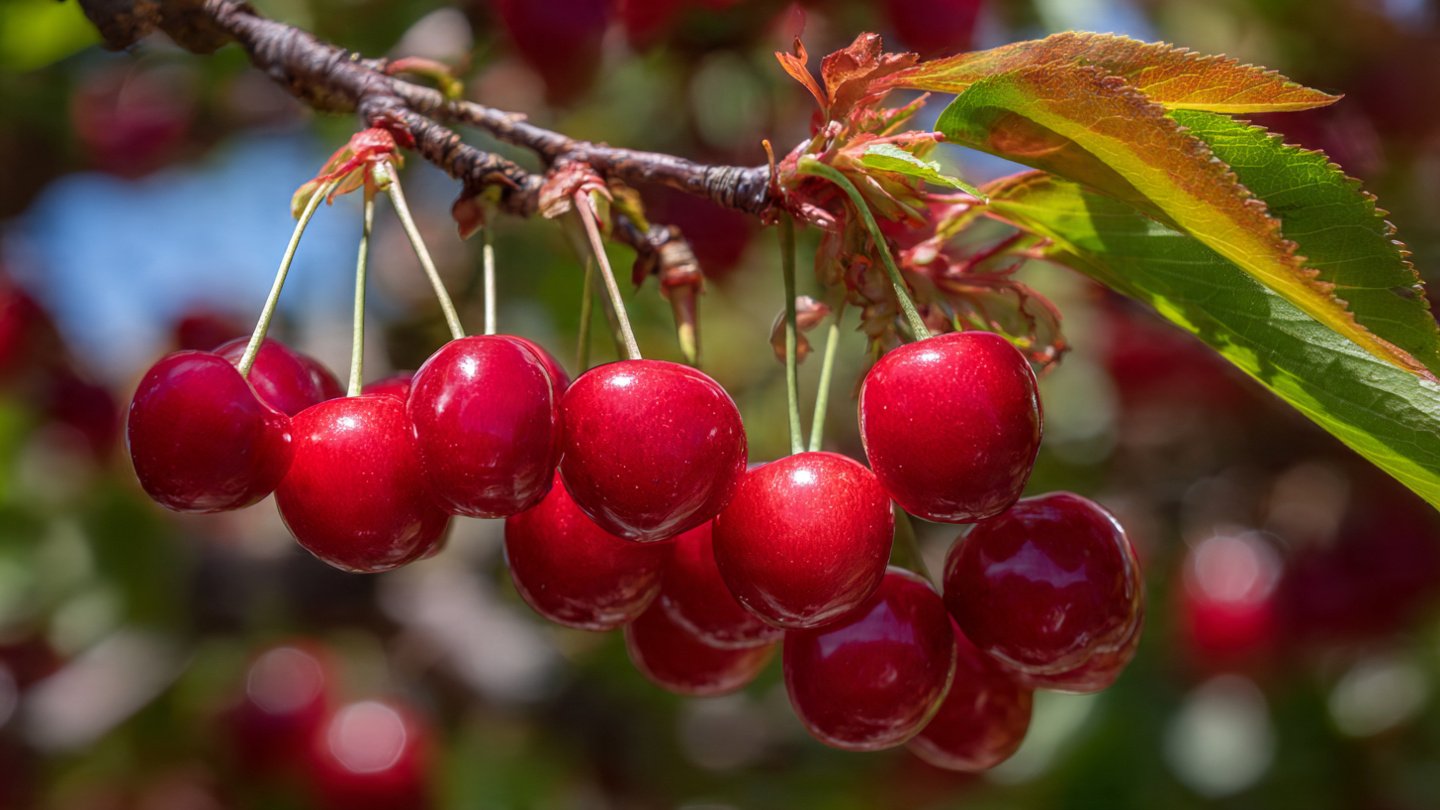
Cherries are among the most cherished fruits, offering a burst of flavor in pies, jams, salads, and fresh eating. While they are traditionally grown in regions with long, warm summers, it is entirely possible to cultivate cherry trees successfully even in areas with short summer seasons. With the right variety selection, proper care, and strategic planning, home gardeners can enjoy a fruitful cherry harvest without needing months of endless sunshine. This guide provides a step-by-step approach to growing cherry trees in regions with limited growing seasons, ensuring you maximize your yield and enjoy these sweet gems of nature.
Understanding Cherry Tree Varieties
The first key to successful cherry cultivation in short summer regions is selecting the right tree variety. Cherries are broadly categorized into sweet cherries (Prunus avium) and sour or tart cherries (Prunus cerasus). Each type has distinct growth habits, cold tolerance, and fruiting requirements.
- Sweet cherries: These are typically eaten fresh and have larger, sweeter fruits. Varieties like ‘Bing,’ ‘Lapins,’ and ‘Stella’ produce excellent results but generally require more warmth.
- Sour cherries: Used in baking, preserves, and sauces, sour cherries are hardier and more adaptable to cooler, shorter seasons. Varieties such as ‘Montmorency’ and ‘North Star’ are ideal for short summers.
For regions with brief growing periods, tart cherries and early-ripening sweet cherries are recommended. Early-ripening varieties mature quickly, often in 60–75 days after blossoming, making them suitable for shorter summers.
Choosing the Right Planting Site
A cherry tree’s success depends heavily on selecting a suitable site. Consider these factors:
- Sunlight: Cherry trees require full sun for at least 6–8 hours per day. In areas with short summers, maximizing sunlight exposure is critical for fruit development.
- Soil: Well-draining soil is essential. Cherry trees dislike waterlogged roots, which can lead to rot. Sandy loam enriched with organic matter is ideal.
- Protection from wind: Strong winds can damage blossoms, reducing fruit yield. Plant trees near natural windbreaks or install protective fencing if necessary.
- Spacing: Allow adequate spacing—15–20 feet for standard trees and 8–10 feet for dwarf varieties. Proper spacing ensures good air circulation, reducing disease risk.
Choosing a site with warm, sun-soaked spots and good soil drainage will maximize the short season’s potential.
Planting Cherry Trees
Timing and method of planting are crucial for short-season areas:
Planting Bare-Root Trees
- Timing: Plant bare-root cherry trees in early spring as soon as the soil can be worked. This allows the roots to establish before the growing season begins.
- Digging the hole: Make a hole twice as wide and just as deep as the root system. Loosen the soil at the bottom to encourage root growth.
- Planting: Spread the roots carefully in the hole, ensuring the crown (where roots meet the trunk) is slightly above soil level. Fill with soil and gently firm it around the roots.
- Watering: Water thoroughly after planting to settle the soil and eliminate air pockets.
Planting Container Trees
Container-grown cherry trees can be planted later in spring or even early summer:
- Remove the container and gently loosen the root ball.
- Place the tree in the prepared hole and backfill with soil.
- Water generously and mulch around the base to retain moisture.
Caring for Cherry Trees in Short Summers
Even in short summer regions, proper care can encourage rapid growth, blossom production, and fruiting.
1. Watering
Young cherry trees need consistent moisture to establish roots quickly. Deep watering once a week is preferable to frequent shallow watering. Mature trees require less frequent watering but benefit from supplemental watering during dry spells to support fruit development.
2. Fertilization
Fertilization supports fast growth and early fruiting:
- Early spring: Apply a balanced fertilizer high in nitrogen to encourage leaf and shoot growth.
- After flowering: Switch to a phosphorus- and potassium-rich fertilizer to enhance fruit development and strengthen roots.
Avoid over-fertilizing, as excessive nitrogen can lead to lush foliage but poor fruit set.
3. Mulching
Mulch around the base of the tree with organic materials like straw, wood chips, or compost. Mulch retains moisture, regulates soil temperature, and suppresses weeds. In short summers, mulch can help maintain warmer soil temperatures, encouraging quicker growth.
4. Pruning
Pruning is critical for shaping trees, improving airflow, and ensuring sunlight penetrates the canopy:
- Dormant pruning: Perform in late winter or early spring to remove dead or damaged branches and encourage a strong structure.
- Summer pruning: Light pruning during summer can help manage excessive growth and increase sunlight exposure to fruiting wood.
Proper pruning ensures rapid development and a higher fruit yield in a short growing season.
Maximizing Flowering and Fruit Set
Flowering and fruiting are the primary goals, especially in short summers:
- Pollination: Most cherry trees require cross-pollination for optimal fruit production. Plant two compatible varieties within close proximity or encourage pollinators like bees to visit your garden.
- Blossom protection: Frost can damage early blooms. Use frost cloths, row covers, or temporary windbreaks to protect delicate flowers.
- Thinning fruit: If trees produce heavy fruit loads early, thin the fruit to 1–2 inches apart to encourage larger, healthier cherries.
By focusing on pollination and blossom care, you can maximize yield despite limited summer months.
Quick-Maturing Cherry Varieties
Selecting varieties suited to short summers is key to success:
- Early-ripening sweet cherries: ‘Stella,’ ‘Burlat,’ ‘Early Bing’
- Tart cherries: ‘North Star,’ ‘Montmorency,’ ‘Meteor’
These varieties mature quickly and produce a harvest within the limited growing window. For extremely short summers, dwarf or semi-dwarf trees are advantageous, as they reach maturity faster and require less time to produce fruit.
Using Microclimates to Your Advantage
Even in regions with brief summers, small-scale microclimates can boost growth:
- South-facing walls: Plant trees near walls or fences that absorb and radiate heat.
- Raised beds: Elevating soil can improve drainage and increase soil temperature, encouraging faster growth.
- Protective covers: Temporary greenhouses or hoop tunnels extend the growing season by retaining warmth and protecting against cold spells.
Creating a favorable microclimate can add critical weeks to the growth cycle and improve harvest success.
Pest and Disease Management
Cherry trees are prone to pests like aphids, cherry fruit flies, and birds, as well as diseases such as powdery mildew or brown rot. Fast-growing, healthy trees are more resilient, but prevention is key:
- Pest barriers: Netting protects fruit from birds and insects.
- Regular inspections: Check leaves, buds, and fruits for early signs of infestation.
- Organic sprays: Neem oil or insecticidal soap can manage common pests without harming beneficial insects.
- Sanitation: Remove fallen leaves and rotting fruit promptly to prevent disease spread.
A proactive approach minimizes damage and ensures a quick and successful harvest.
Harvesting and Storing Cherries
Harvest timing is critical to maximize flavor and sugar content:
- Sweet cherries: Harvest when fully colored, firm, and sweet to taste.
- Tart cherries: Pick when bright red and slightly soft for optimal flavor.
Use scissors or gentle hand-picking to avoid damaging the fruit or branches. Store harvested cherries in the refrigerator in shallow containers to prevent crushing and enjoy fresh for several days. For longer storage, cherries can be frozen or processed into jams and preserves.
Conclusion
Growing cherry trees in regions with short summer seasons is entirely feasible with careful planning and attentive care. By selecting early-ripening varieties, planting in optimal locations, managing watering and fertilization, and protecting blossoms from frost, gardeners can enjoy a successful harvest despite limited warm months. Employing microclimate strategies, pruning properly, and managing pests and diseases further enhances the likelihood of bountiful, healthy fruit.
With the right approach, even a brief growing season can yield sweet, juicy cherries that rival those grown in traditionally warmer climates. The satisfaction of harvesting your own homegrown cherries, fresh from your garden, is well worth the effort. By following this simple guide, gardeners can cultivate thriving cherry trees that flourish quickly and deliver delicious, nutrient-rich fruit year after year.