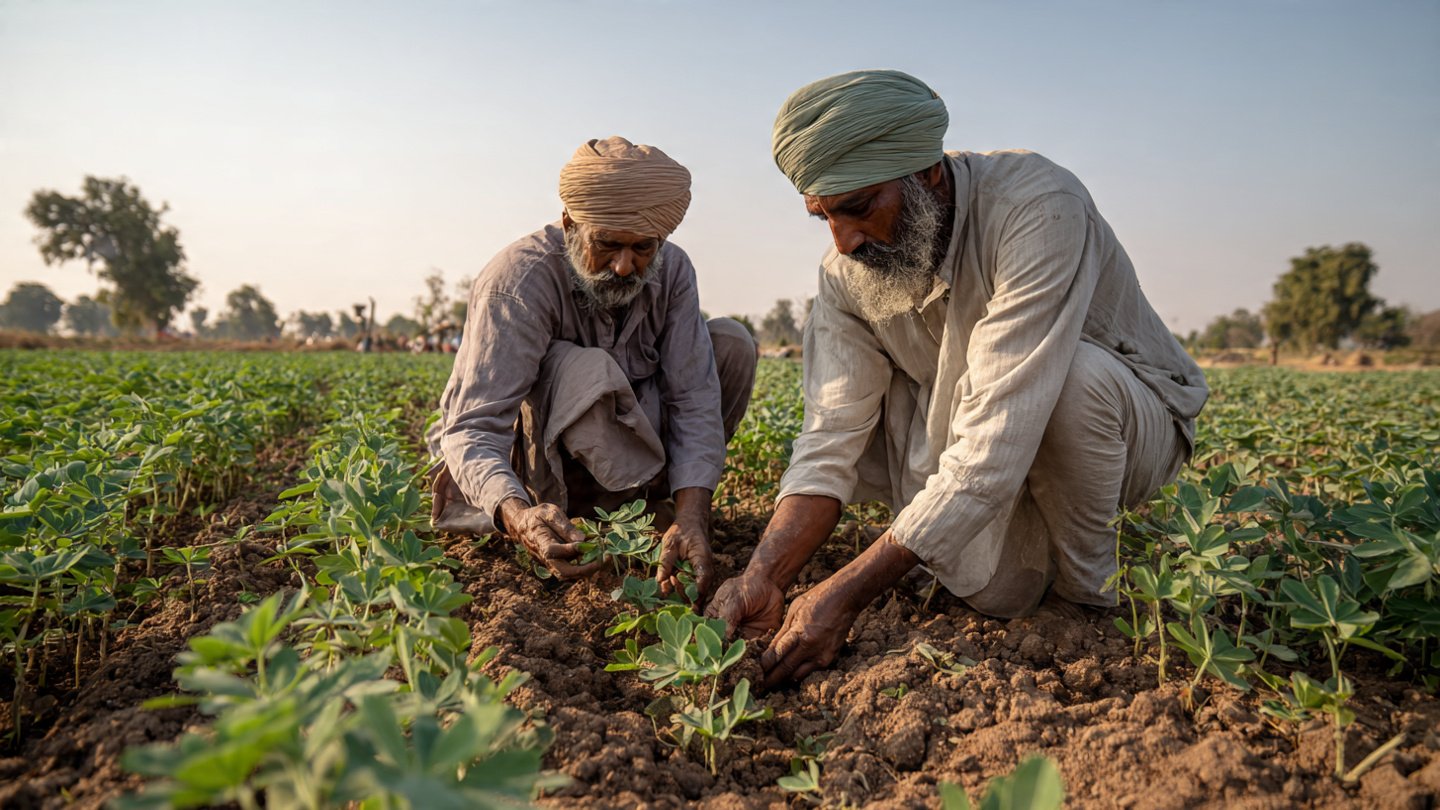
Fenugreek (Trigonella foenum-graecum) is a versatile herb prized for its nutritional value, culinary applications, and medicinal properties. Its leaves are used in salads, curries, and sauces, while its seeds are an essential spice and supplement in many traditional remedies. For home gardeners, growing fenugreek can be highly rewarding—but to enjoy a steady supply of fresh leaves, mastering the art of continuous harvesting is key.
Continuous harvesting allows gardeners to enjoy a regular supply of fenugreek leaves over weeks or months, rather than harvesting all at once and waiting for a new crop to grow. This guide will walk you through step-by-step techniques for continuous harvesting, ensuring a lush, productive fenugreek garden.
Understanding Fenugreek Growth
Fenugreek is a fast-growing, annual herb that thrives in temperate and subtropical climates. Its growth cycle is generally 30–45 days for leaf harvest and 90–120 days for seed production, depending on variety and growing conditions.
Key characteristics of fenugreek:
- Leaves: Tender, pinnate, and rich in iron, calcium, and vitamins A, C, and K.
- Stems: Thin and delicate; can be harvested repeatedly if managed properly.
- Seeds: Aromatic, slightly bitter, and used in culinary and medicinal preparations.
By understanding its growth patterns, gardeners can optimize planting and harvesting schedules to maintain a steady supply.
Step 1: Selecting the Right Fenugreek Variety
While most fenugreek varieties are suitable for home gardening, some are better suited for continuous leaf harvesting. Consider:
- Local or fast-growing varieties: These produce tender leaves quickly and tolerate frequent cutting.
- Leafy varieties: Certain fenugreek types are bred specifically for abundant foliage rather than seed production.
- Disease-resistant varieties: Look for varieties that resist common fungal or bacterial problems.
Choosing the right variety ensures a higher success rate and a more productive garden.
Step 2: Preparing the Soil
Fenugreek thrives in well-drained, fertile soil with a slightly acidic to neutral pH of 6.0–7.0. Healthy soil encourages vigorous leaf growth and rapid regrowth after harvesting.
Steps to prepare soil:
- Loosen the soil to a depth of 6–8 inches.
- Incorporate organic compost or well-rotted manure to boost nutrient content.
- Remove weeds and debris to minimize competition.
- Ensure proper drainage to prevent waterlogging, which can damage roots.
Nutrient-rich soil is crucial for continuous harvesting because it supports frequent cutting without depleting plant health.
Step 3: Sowing Fenugreek Seeds
Proper sowing is essential for maximizing yield and ensuring a continuous supply of leaves.
- Timing: Sow seeds in spring or autumn, avoiding extreme heat.
- Depth: Plant seeds about ½ inch deep for optimal germination.
- Spacing: Sow seeds 1–2 inches apart, with rows spaced 6–8 inches apart to allow air circulation and access for harvesting.
- Succession planting: For a continuous supply, sow seeds every 10–15 days in small patches.
Succession planting ensures that while one patch is being harvested, another patch is maturing and ready for harvest.
Step 4: Watering and Mulching
Fenugreek requires consistent moisture but does not tolerate waterlogged soil.
Watering tips:
- Water gently and regularly to keep the soil evenly moist.
- Avoid overhead watering during hot hours to reduce fungal disease risk.
Mulching:
- Apply organic mulch (straw, dried leaves, or compost) to retain soil moisture.
- Mulching also helps control weeds and keeps soil temperature stable.
Proper hydration and mulch protection allow leaves to grow quickly and regenerate after cutting.
Step 5: Fertilizing for Continuous Growth
Fenugreek benefits from regular fertilization to sustain leaf production:
- Pre-planting: Mix compost or balanced fertilizer into the soil.
- Post-emergence: Apply liquid fertilizer or compost tea every 2–3 weeks to encourage regrowth.
- Nitrogen-rich options: Nitrogen supports leafy growth, which is ideal for continuous harvesting.
Over-fertilization can cause weak stems or reduce leaf flavor, so always follow recommended dosages.
Step 6: The Art of Continuous Harvesting
Continuous harvesting is all about selective leaf removal rather than cutting the entire plant.
Techniques for success:
- Harvest outer leaves first: This allows the inner leaves to keep growing.
- Cut above the base: Leave at least 2–3 inches of stem so the plant can regenerate.
- Do not remove more than one-third of the plant at a time: Overharvesting can stress the plant.
- Use sharp scissors or garden shears: Clean cuts reduce plant damage and minimize infection risk.
By practicing careful harvesting, fenugreek plants will continuously produce new leaves for weeks, providing a steady supply for your kitchen.
Step 7: Pest and Disease Management
Even though fenugreek is relatively hardy, continuous harvesting may make plants more susceptible to pests and diseases.
Common issues:
- Aphids: Small green insects that suck sap from leaves.
- Powdery mildew: White fungal growth on leaves, common in humid conditions.
- Cutworms: Can damage stems at the base.
Preventive measures:
- Inspect plants regularly for pests or fungal growth.
- Remove affected leaves and maintain proper spacing for airflow.
- Use organic solutions like neem oil or insecticidal soap to control pests.
- Rotate crops or practice succession planting to reduce disease buildup.
Healthy plants with proper care will recover quickly from continuous harvesting.
Step 8: Encouraging Regrowth
To maximize yield, encourage fenugreek to regrow after each harvest:
- Water immediately after cutting: Moist soil promotes rapid leaf development.
- Fertilize lightly: A small dose of compost or liquid fertilizer supports regrowth.
- Monitor sunlight: Ensure plants receive at least 4–6 hours of sunlight daily.
Regular attention ensures that plants recover quickly and maintain productivity over time.
Step 9: Seed Production for Future Crops
While leaves are harvested for immediate use, allowing some plants to flower produces seeds for future sowing:
- Let a few plants grow fully and flower.
- Harvest seeds once pods turn brown and dry.
- Store seeds in a cool, dry place for the next planting season.
This ensures a sustainable cycle of continuous fenugreek cultivation.
Step 10: Tips for a Bountiful Fenugreek Crop
- Succession planting: Sow seeds in intervals to ensure a consistent supply of leaves.
- Companion planting: Plant fenugreek alongside vegetables like spinach, lettuce, or radish to improve growth.
- Shade protection in hot climates: Use light shade cloths to prevent leaf scorching.
- Regular pruning: Trim older, yellowing leaves to encourage new growth.
- Rotate crops annually: Helps maintain soil health and prevents disease accumulation.
By combining these practices, gardeners can maintain a lush, productive fenugreek patch.
Advantages of Continuous Harvesting
- Steady supply of fresh leaves: Ideal for daily cooking or fresh consumption.
- Space-efficient: Multiple harvests from a single planting patch reduce the need for constant replanting.
- Boosts plant longevity: Careful harvesting encourages strong root and stem development.
- Nutrient-rich produce: Freshly harvested leaves retain maximum nutritional content.
- Sustainable gardening: Reduces waste and maximizes yield from minimal space.
Continuous harvesting is both practical and environmentally friendly, making it a must-learn technique for home gardeners.
Conclusion
Mastering the art of continuous harvesting for fenugreek ensures a bountiful, year-round supply of fresh leaves. By selecting the right variety, preparing nutrient-rich soil, planting carefully, and practicing selective harvesting, even beginners can enjoy an abundant and healthy crop.
Attention to watering, fertilization, pest management, and regrowth strategies enhances productivity and keeps plants thriving. Additionally, succession planting guarantees a constant rotation of young and mature crops, eliminating gaps in your fenugreek supply.
With patience, consistency, and a few simple techniques, your fenugreek garden can provide a reliable source of nutritious greens for months, elevating both your culinary creations and your gardening experience. Continuous harvesting not only maximizes yield but also fosters a deeper connection to your plants, rewarding you with lush, vibrant greenery that enhances your garden and your meals alike.