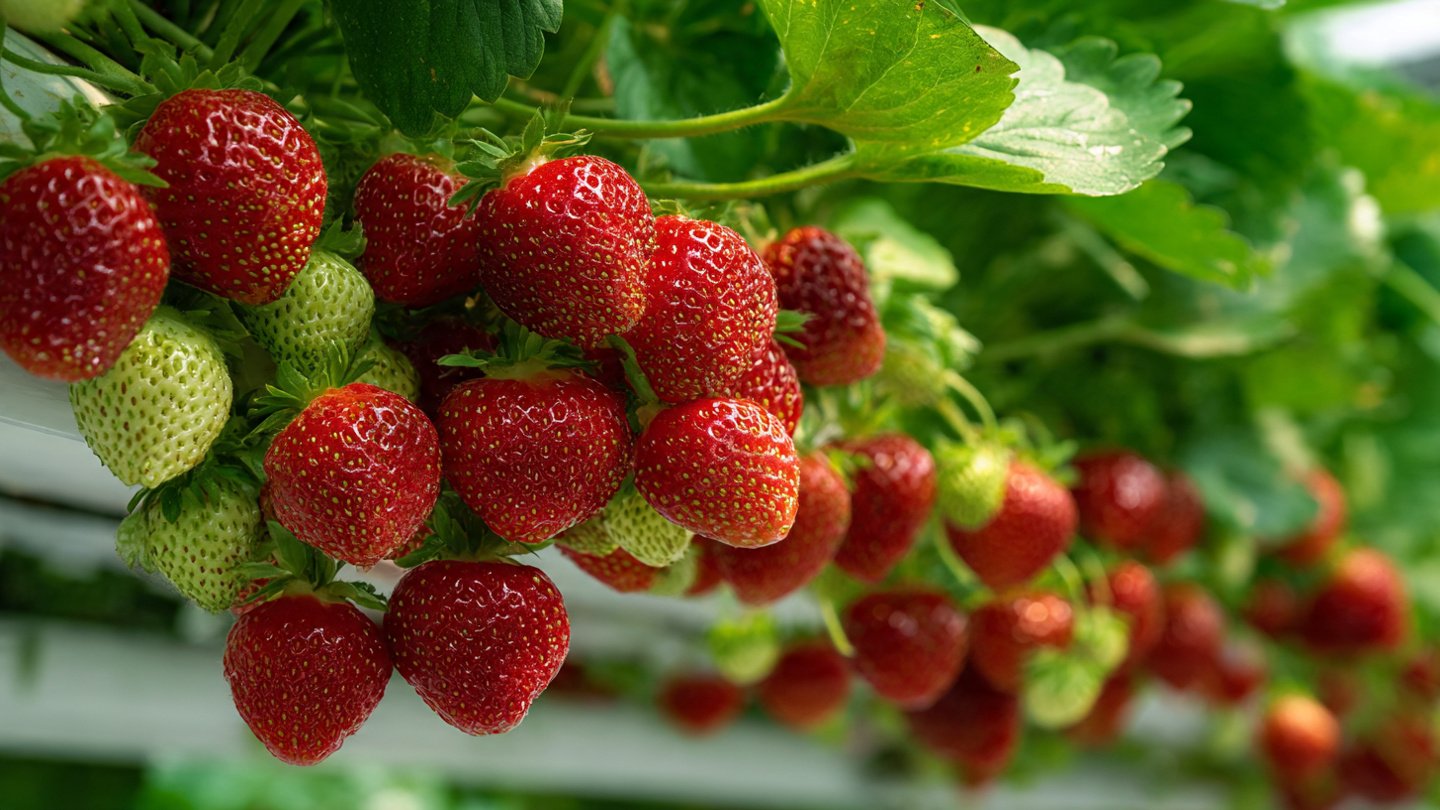
Strawberries are one of the most popular fruits to grow at home due to their sweet flavor, rich nutrition, and versatility. However, growing strawberries in traditional garden beds can be challenging for people with limited space, such as those living in apartments, condos, or homes with small yards. Fortunately, vertical gardening offers a practical solution, allowing gardeners to cultivate strawberries efficiently while maximizing space. Strawberry vertical gardening not only optimizes space but also improves yields, reduces maintenance, and adds an aesthetic appeal to your home or garden. In this article, we explore the benefits of strawberry vertical gardening and provide practical guidance for growing these delicious berries in limited spaces.
Why Choose Vertical Gardening for Strawberries?
Vertical gardening involves growing plants upwards using structures such as trellises, towers, hanging pots, or wall-mounted planters. For strawberries, this method offers several advantages:
- Space Efficiency: Vertical systems allow you to grow more plants in a small footprint by stacking or suspending containers.
- Improved Air Circulation: Elevating the plants enhances airflow, which helps reduce the risk of fungal diseases such as powdery mildew.
- Ease of Harvesting: Fruits are easier to see and pick since they hang or grow at accessible heights, reducing the need to bend or kneel.
- Aesthetic Appeal: Vertical strawberry gardens can serve as living walls, decorative towers, or hanging arrangements, enhancing indoor or outdoor spaces.
- Healthier Plants: Elevation prevents strawberries from touching the ground, reducing soil-borne pests and improving fruit quality.
Choosing the Right Strawberry Varieties
Not all strawberries are equally suited for vertical gardening. For small-space setups, consider these types:
- Day-Neutral Varieties: Produce fruit continuously throughout the growing season, ideal for year-round vertical gardens.
- Everbearing Varieties: Yield multiple harvests in spring and summer, providing a consistent supply of berries.
- Alpine Strawberries: Smaller berries with compact growth, perfect for container or hanging systems.
Selecting compact or runner-producing varieties ensures optimal growth in confined vertical structures.
Selecting the Ideal Vertical Gardening System
Several vertical gardening systems work well for strawberries, depending on your available space, budget, and desired aesthetic:
- Hanging Baskets: Traditional and easy to set up, hanging baskets allow strawberries to trail over the edges, making fruit accessible and attractive.
- Stacked Planters or Towers: Vertical towers with multiple tiers can hold dozens of strawberry plants, maximizing space in small balconies or patios.
- Wall-Mounted Planters: Slim, vertical pockets attached to walls or fences create a living strawberry wall.
- Trellises with Containers: Grow strawberries in small pots attached to trellises or stakes, allowing runners to cascade down for added decoration.
When choosing a system, ensure it provides sufficient support for plant weight and adequate drainage for healthy root development.
Preparing Soil and Containers
Healthy soil is crucial for productive strawberry plants. Use a well-draining, nutrient-rich potting mix with organic matter such as compost or coconut coir. Avoid garden soil, which may compact in containers and reduce drainage.
For containers, ensure:
- Adequate depth (15–20 cm minimum) for root growth.
- Drainage holes to prevent waterlogging.
- Lightweight materials for easier handling, especially in hanging setups.
Planting Strawberries Vertically
Plant strawberries carefully to maximize vertical space and productivity:
- Spacing: Leave 15–20 cm between plants in stacked or tiered systems to allow room for runners and healthy foliage.
- Planting Depth: Position the crown (where leaves emerge) slightly above the soil line to prevent rot.
- Watering: Water immediately after planting to settle the soil and maintain consistent moisture without overwatering.
Watering and Fertilization
Vertical gardening often requires more frequent watering than traditional garden beds because containers dry out faster. Use these tips:
- Consistent Moisture: Keep the soil evenly moist but not soggy. Drip irrigation or self-watering systems work best for vertical setups.
- Mulching: Apply straw or coconut coir around the plants to retain moisture and regulate soil temperature.
- Fertilization: Use a balanced liquid fertilizer every 2–3 weeks during the growing season. Strawberries benefit from additional phosphorus and potassium to promote flowers and fruiting.
Managing Runners and Growth
Strawberries naturally produce runners—long stems that can develop into new plants. In vertical systems, managing runners is essential:
- Encourage New Plants: Direct runners into nearby pots or growing holes to multiply your plants efficiently.
- Control Overcrowding: Trim excess runners to maintain airflow and prevent nutrient competition.
- Optimize Yield: Removing excessive runners ensures the main plant focuses energy on producing high-quality fruits.
Pest and Disease Management
Elevating strawberries in vertical systems reduces many ground-based pests, but vigilance is still necessary:
- Common Pests: Aphids, spider mites, and slugs can affect vertical gardens. Use organic insecticidal sprays or introduce beneficial insects.
- Diseases: Powdery mildew and leaf spot can occur in humid conditions. Ensure proper spacing, adequate sunlight, and airflow.
- Preventive Measures: Regularly inspect plants and remove damaged leaves to maintain plant health.
Harvesting Strawberries in Vertical Gardens
Harvesting strawberries from vertical systems is easier and more enjoyable than traditional beds:
- Timing: Pick berries when fully colored and firm.
- Frequency: Harvest every 2–3 days during peak season to encourage continuous fruiting.
- Handling: Gently twist or snip berries to avoid damaging the plant or nearby fruit.
Creative Vertical Strawberry Garden Ideas
- Balcony Towers: Use multi-tiered planters to grow strawberries alongside herbs or flowers for a mixed edible display.
- Strawberry Wall: Attach pocket planters to fences or walls for a decorative and productive living wall.
- Hanging Baskets Cluster: Hang several baskets at different heights to create a cascading effect with accessible fruit.
- Combination Planting: Mix strawberries with companion plants like basil, mint, or lettuce for improved pest control and visual interest.
Additional Benefits of Vertical Strawberry Gardening
- Space Optimization: Ideal for urban gardening, rooftops, and small patios.
- Reduced Soil Contact: Minimizes rot and soil-borne diseases.
- Increased Yield: More plants per square foot result in higher harvests.
- Aesthetic Appeal: Creates an attractive, colorful focal point in any space.
- Accessibility: Easier to maintain and harvest without bending or kneeling.
Conclusion
Strawberry vertical gardening is a practical, visually appealing, and highly productive method for growing berries in limited spaces. By selecting the right varieties, using efficient vertical systems, and providing proper care, you can enjoy a bountiful harvest of delicious, nutrient-rich strawberries year-round. From balcony towers to hanging baskets and living walls, vertical gardening transforms small spaces into vibrant, edible landscapes while making plant care and harvesting more convenient. Whether you are a beginner gardener or an experienced enthusiast, vertical strawberry gardening offers a simple, rewarding solution to maximize space, beauty, and yield in your home garden.