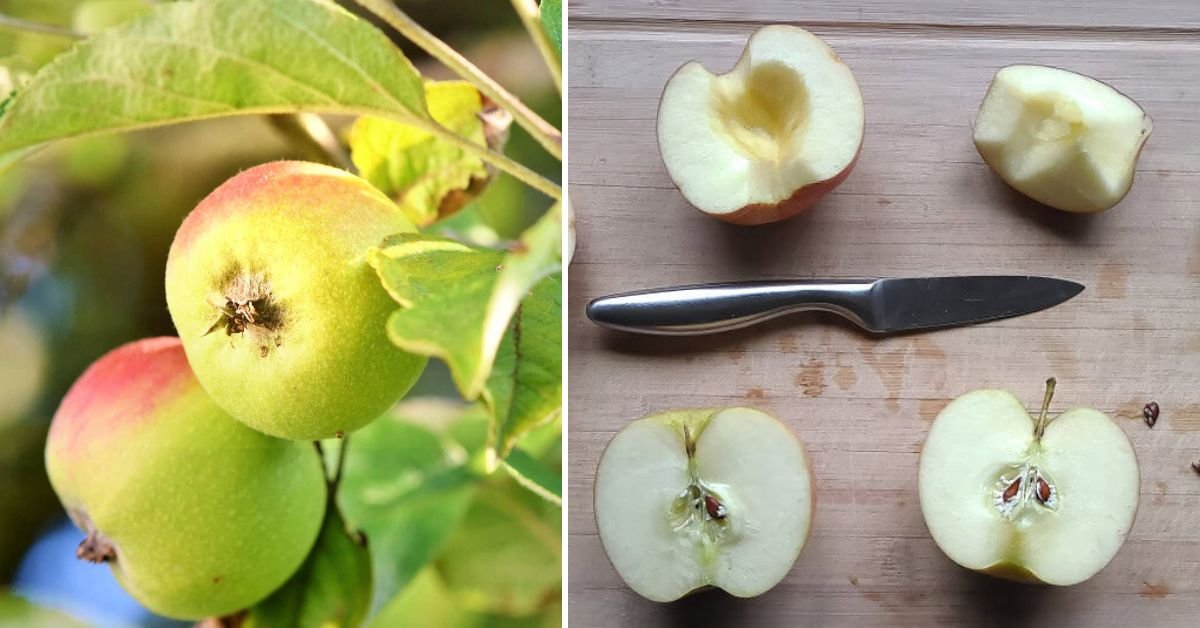
Growing apple plants from seeds is a rewarding journey that lets you experience the full life cycle of a tree—from a tiny seed to a fruit-bearing plant. While many gardeners choose grafted saplings for faster and more predictable harvests, starting apple trees from seeds is perfect for beginners who want to learn, experiment, and enjoy the process of growing a tree from scratch. With patience and proper care, you can successfully raise healthy apple plants at home.
This step-by-step guide will walk you through everything you need to know, from preparing apple seeds to caring for young trees as they grow strong and resilient.
Why Grow Apple Plants from Seeds?
Growing apple trees from seeds is inexpensive, educational, and deeply satisfying. Seeds are easy to obtain from fresh apples, making this method accessible to anyone. It’s an excellent way for beginners to understand plant growth, root development, and seasonal care.
While seed-grown apple trees may not produce fruit identical to the parent apple—and may take longer to bear fruit—they often grow into hardy trees well adapted to local conditions. Many gardeners grow seedling apple trees for learning, ornamental value, or as rootstock for future grafting.
Understanding What to Expect
Before you begin, it’s important to set realistic expectations. Apple trees grown from seeds can take five to eight years to produce fruit, and the apples may vary in size, taste, and texture. This unpredictability is part of the charm of seed-grown trees, but it’s something every beginner should understand upfront.
If your main goal is learning and enjoyment rather than quick fruit production, growing apples from seeds is an excellent choice.
Step 1: Selecting and Preparing Apple Seeds
Start with fresh, healthy apples. Apples that are organically grown are preferable, as chemically treated fruits may have seeds with lower germination rates. After eating the apple, collect the seeds, rinse them thoroughly to remove any pulp, and allow them to air-dry for a day or two.
Apple seeds require a cold period, known as stratification, to germinate properly. This mimics the natural winter conditions seeds experience outdoors.
Step 2: Cold Stratification (The Key to Germination)
To stratify apple seeds, place the dry seeds in a damp paper towel or a small container filled with moist sand or peat moss. Seal them in a plastic bag or container and store them in the refrigerator for about 6 to 8 weeks.
Check the seeds occasionally to ensure they remain moist but not moldy. During this period, the seeds undergo internal changes that prepare them for sprouting. Skipping stratification is one of the most common reasons apple seeds fail to germinate.
Step 3: Planting the Seeds
After stratification, some seeds may already show small sprouts. This is a good sign. Prepare small pots or seed trays with well-draining soil. A light potting mix enriched with compost works well.
Plant each seed about half an inch deep, cover lightly with soil, and water gently. Place the pots in a bright location with indirect sunlight. Avoid direct harsh sunlight at this stage, as young seedlings are delicate.
Step 4: Caring for Apple Seedlings
Apple seedlings usually emerge within one to three weeks. Once they sprout, they need plenty of light to grow strong and upright. A sunny windowsill or a bright outdoor spot with partial sun is ideal.
Water the seedlings regularly, keeping the soil evenly moist but never waterlogged. Overwatering can cause root rot, while underwatering can stunt growth. Good drainage is essential for healthy root development.
Step 5: Transplanting into Larger Pots
As the seedlings grow and develop several sets of true leaves, they will need more space. Carefully transplant them into larger pots to prevent overcrowding and root restriction.
When transplanting, handle the seedlings gently to avoid damaging the roots. Use fresh, nutrient-rich soil and water well after transplanting to help the plant settle into its new container.
Step 6: Hardening Off Young Apple Plants
Before moving apple plants outdoors permanently, they need to be hardened off. This process helps them adapt to outdoor conditions such as wind, sunlight, and temperature changes.
Start by placing the plants outdoors for one to two hours a day in a sheltered spot. Gradually increase the time over one to two weeks. This step reduces transplant shock and improves long-term survival.
Step 7: Choosing the Right Outdoor Location
Apple trees thrive in full sun and need at least six to eight hours of direct sunlight daily. Choose a location with well-draining soil and good air circulation. Avoid low-lying areas where water can collect, as apple trees do not tolerate soggy roots.
If planting in the ground, dig a hole twice as wide as the root ball and just as deep. Place the plant carefully, backfill with soil, and water thoroughly.
Step 8: Watering and Feeding Young Apple Trees
Young apple trees need consistent watering during their early years. Water deeply but allow the topsoil to dry slightly between watering sessions. As the tree matures, it will become more drought-tolerant.
Feed the plant with compost or a balanced organic fertilizer during the growing season. Avoid excessive fertilization, especially with nitrogen, as it can promote leafy growth at the expense of root development.
Step 9: Pruning and Training
Pruning helps shape the tree and encourages strong structure. In the first few years, focus on removing weak or crossing branches and establishing a central leader or open structure.
Proper pruning improves airflow, sunlight penetration, and overall tree health. It also lays the foundation for better fruiting in the future.
Common Problems and How to Avoid Them
Beginners often face issues such as slow growth, yellowing leaves, or pests. These problems are usually caused by overwatering, poor soil drainage, or nutrient deficiencies.
Regularly inspect your apple plants for signs of stress or pests. Early intervention with organic solutions can prevent small problems from becoming serious.
When Will Your Apple Tree Bear Fruit?
Patience is essential when growing apple trees from seeds. Most seed-grown apple trees take several years to mature and begin flowering. While the wait may seem long, watching your tree grow year after year is part of the reward.
Even before fruiting, apple trees provide beauty, shade, and a sense of accomplishment that few garden projects can match.
Final Thoughts
Growing apple plants from seeds is a fulfilling project for beginners who enjoy learning through hands-on experience. While it requires patience and care, the process teaches valuable gardening skills and deepens your connection with nature.
With proper stratification, thoughtful planting, and consistent care, you can successfully raise healthy apple trees from seeds. Whether they eventually bear fruit or simply grow into beautiful trees, the journey itself is well worth the effort.