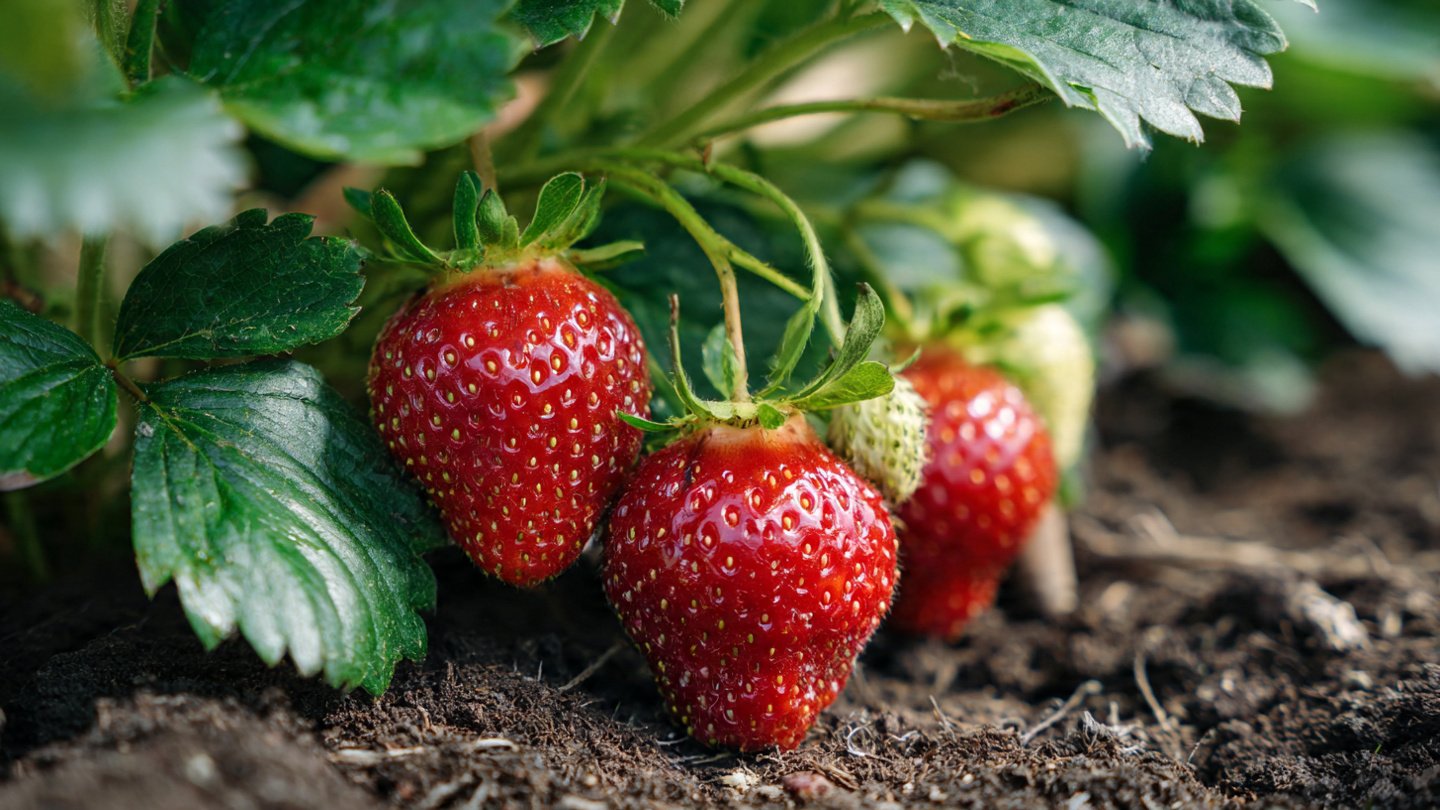
Growing strawberries in containers is one of the most rewarding ways to enjoy fresh, sweet fruit at home—especially if you have limited garden space. Whether you’re gardening on a balcony, patio, rooftop, or windowsill, success with container strawberries depends heavily on one critical factor: the soil mix. The right soil blend provides proper drainage, nutrients, and structure, directly impacting plant health and fruit yield. This ultimate guide will help you create the perfect strawberry container soil mix to maximize growth and harvests.
Why Soil Mix Matters More in Containers
Unlike strawberries grown in the ground, container-grown plants rely entirely on the soil inside the pot. They cannot search for nutrients or moisture beyond their limited root zone. This makes soil quality far more important than in traditional garden beds.
A well-designed soil mix ensures:
- Strong root development
- Balanced moisture retention
- Proper aeration
- Consistent nutrient availability
Poor soil leads to weak plants, small berries, root rot, and low yields—no matter how well you water or fertilize.
Understanding Strawberry Root Needs
Strawberry plants have shallow, fibrous root systems. They need soil that is:
- Light and airy
- Rich in organic matter
- Well-draining but moisture-retentive
Heavy or compacted soil suffocates roots and encourages disease. The goal is to mimic loose, fertile garden soil in a container-friendly form.
Key Characteristics of the Perfect Strawberry Soil Mix
Before mixing ingredients, it’s important to understand what the ideal soil should provide.
Excellent Drainage
Strawberries hate sitting in water. Excess moisture causes root rot and fungal problems. The soil must allow water to drain freely while staying slightly moist.
Good Moisture Retention
While drainage is essential, strawberries also need consistent moisture. The right mix holds enough water to keep roots hydrated between watering sessions.
High Organic Content
Organic matter improves soil structure and provides slow-release nutrients essential for flowering and fruiting.
Balanced pH Level
Strawberries grow best in slightly acidic soil with a pH between 5.5 and 6.5. This range allows optimal nutrient uptake.
Essential Ingredients for Strawberry Container Soil Mix
Creating the perfect mix is simple when you combine the right components.
Base Potting Mix
Start with a high-quality, lightweight potting mix—not garden soil.
- Provides structure
- Sterile and free of pests
- Designed for container drainage
Avoid soil labeled “topsoil” or “garden soil,” as these are too dense for containers.
Compost or Well-Rotted Organic Matter
Compost adds nutrients and improves moisture retention.
- Use mature, well-decomposed compost
- Avoid fresh manure, which can burn roots
- Provides beneficial microorganisms
Compost also enhances flavor and fruit quality.
Drainage Enhancers
To prevent waterlogging, include materials that improve airflow.
Common options include:
- Perlite
- Coarse sand
- Vermiculite
These ingredients keep soil loose and oxygen-rich, supporting healthy roots.
Optional Additives for Extra Performance
For gardeners aiming for maximum yield, consider these additions:
- Coco peat or coconut coir for moisture balance
- Bone meal for root and flower development
- Neem cake or organic pest deterrents
These extras are not mandatory but can boost overall plant health.
Ideal Strawberry Container Soil Mix Ratio
A simple and effective ratio for strawberries is:
- 50% quality potting mix
- 30% compost or organic matter
- 20% drainage material (perlite or sand)
Mix thoroughly in a large container or bucket to ensure even distribution. The final blend should feel light, crumbly, and slightly moist—not muddy or dusty.
Preparing Containers Before Filling
Before adding soil, prepare your containers properly.
- Ensure drainage holes at the bottom
- Clean old pots to remove pathogens
- Add a thin layer of gravel or broken pottery if desired
Never block drainage holes completely—free water flow is essential.
Filling Containers and Planting Strawberries
When filling your container:
- Add soil mix up to two-thirds of the pot
- Position the strawberry plant so the crown sits just above soil level
- Fill around roots gently without compacting
- Water thoroughly to settle the soil
Planting the crown too deep can cause rot, while planting too shallow may dry out roots.
Maintaining Soil Health Over Time
Soil quality doesn’t stop mattering after planting. Over time, nutrients leach out through watering.
Mulching
Apply organic mulch such as:
- Straw
- Dry leaves
- Pine needles
Mulch conserves moisture, prevents soil splash, and keeps berries clean.
Fertilizing
Container strawberries need regular feeding.
- Use a balanced organic fertilizer every 2–3 weeks
- Avoid excessive nitrogen, which reduces fruiting
- Liquid feeds work especially well in containers
Healthy soil paired with proper feeding results in higher yields and sweeter berries.
Common Soil Mix Mistakes to Avoid
Many beginners struggle due to avoidable errors.
- Using heavy garden soil
- Overloading compost without drainage material
- Compacting soil too tightly
- Ignoring pH balance
Each of these issues restricts root growth and reduces productivity.
Refreshing Soil for Next Season
Strawberry soil should be refreshed annually.
- Remove old plants if replacing
- Mix in fresh compost and potting mix
- Discard soil showing signs of disease
Rejuvenating the soil ensures continued success season after season.
Indoor vs Outdoor Container Soil Needs
Indoor strawberries may need slightly lighter soil and careful watering since evaporation is slower. Outdoor containers benefit from added moisture-retentive materials due to sun and wind exposure.
Adjust watering and mulch accordingly to maintain ideal soil moisture.
Final Thoughts
Creating the perfect strawberry container soil mix is the foundation of a successful harvest. When the soil is light, nutrient-rich, well-draining, and slightly acidic, strawberry plants respond with lush growth, abundant flowers, and juicy, flavorful fruit.
By understanding strawberry root needs and using the right combination of ingredients, even beginners can achieve impressive yields in containers. A little preparation goes a long way—and with the right soil mix, your strawberry plants will reward you with fresh, homegrown sweetness season after season.