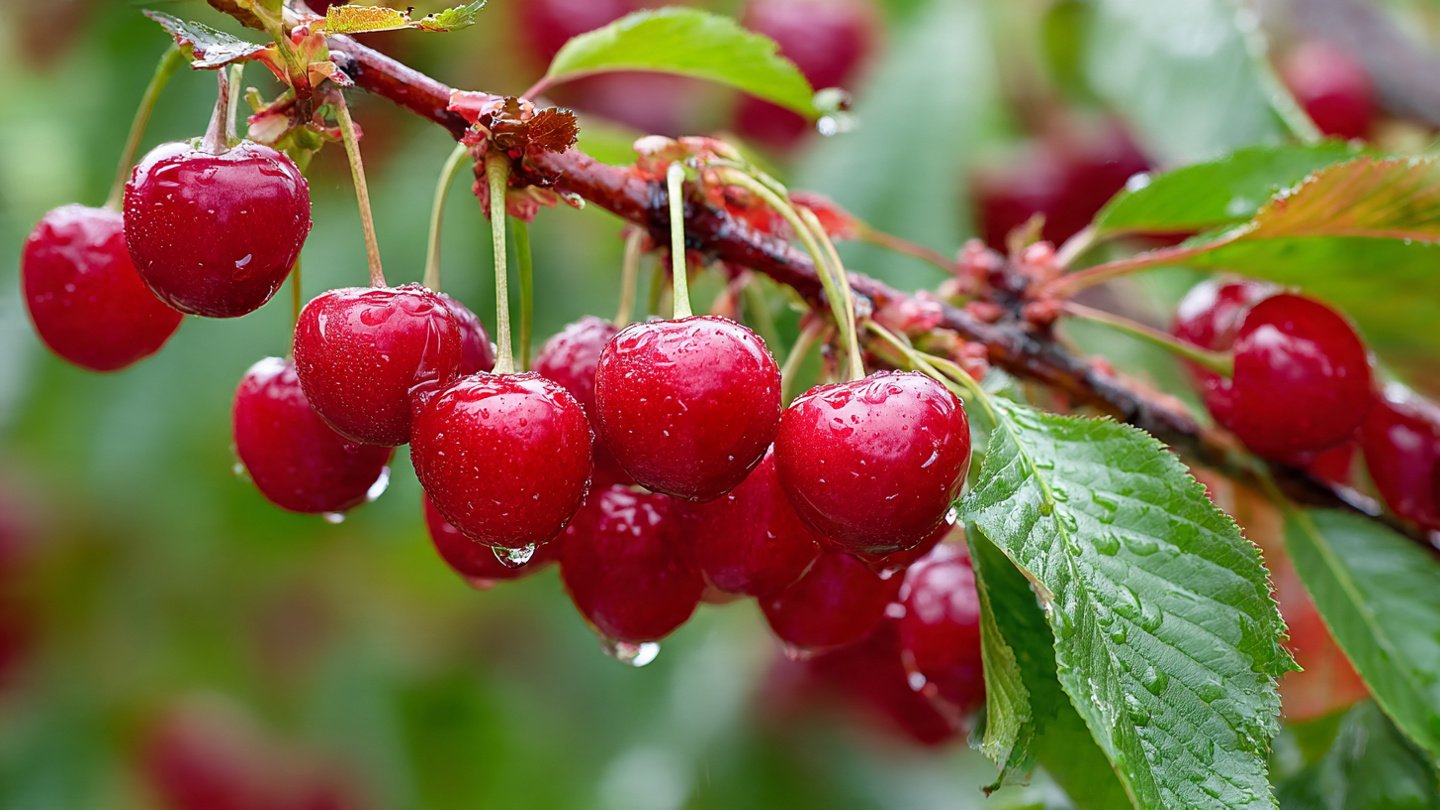
Cherry bushes are a delightful addition to any backyard, offering both aesthetic appeal and delicious fruit. Unlike large cherry trees, hardy cherry bushes are compact, easier to manage, and well-suited to small gardens or limited spaces. With proper care, they can produce abundant fruit for years while requiring minimal maintenance. This guide provides a comprehensive approach to growing a hardy cherry bush, from selecting the right variety to ensuring a bountiful harvest.
Understanding Hardy Cherry Bushes
Hardy cherry bushes are cultivars bred to withstand colder climates and challenging growing conditions. They differ from traditional cherry trees in several ways:
- Compact Size: Typically 3–8 feet tall, making them easier to prune, harvest, and protect.
- Cold Resistance: Specifically bred to survive harsh winters and late frosts.
- Disease Resistance: Many hardy varieties are less susceptible to common cherry diseases like cherry leaf spot or brown rot.
- Early Fruiting: Hardy bushes often produce fruit faster than larger trees, sometimes within 2–3 years of planting.
Choosing a hardy variety suited to your region ensures long-term success and abundant fruit production.
Selecting the Right Variety
Selecting the right cherry bush is the first step in successful cultivation:
1. Sweet vs. Tart Cherries
- Sweet Cherries: Ideal for fresh eating. Varieties such as ‘Stella’ or ‘Lapins’ are self-pollinating and hardy.
- Tart Cherries: Better for pies, preserves, and cooking. ‘Montmorency’ and ‘North Star’ are excellent hardy choices.
2. Self-Fertile Varieties
- Self-fertile bushes do not require another cherry bush for pollination, making them convenient for small backyards.
3. Dwarf or Semi-Dwarf Cultivars
- These are easier to maintain, prune, and protect, while still producing high yields.
Choosing a variety suited to your climate and space ensures a successful harvest and reduces maintenance challenges.
Choosing the Ideal Site
The location of your cherry bush significantly affects growth and fruit production:
- Sunlight: Cherry bushes need 6–8 hours of full sun daily for optimal flowering and fruiting.
- Soil: Well-drained loamy soil with a pH of 6.0–7.0 is ideal. Avoid waterlogged areas, as excess moisture can damage roots.
- Air Circulation: Good airflow reduces the risk of fungal diseases and improves pollination.
- Protection from Frost: Plant on a slight slope or near a wall to protect buds from late-spring frosts.
Proper site selection provides a strong foundation for vigorous growth and high fruit yields.
Preparing the Soil
Healthy soil is essential for strong roots and productive cherry bushes:
- Soil Testing: Test pH and nutrient levels before planting. Amend soil as necessary with lime or sulfur to adjust pH.
- Organic Matter: Incorporate compost or well-rotted manure to improve fertility and soil structure.
- Drainage Enhancement: If the soil tends to hold water, consider raised beds or mounding to prevent root rot.
- Aeration: Loosen the soil to allow roots to penetrate deeply and establish a strong foundation.
Well-prepared soil ensures your cherry bush develops strong roots capable of supporting abundant fruit.
Planting Your Cherry Bush
Planting technique influences survival, root health, and fruit yield:
- Timing: Plant bare-root bushes in early spring or fall. Container-grown bushes can be planted anytime the soil is workable.
- Hole Preparation: Dig a hole twice as wide and as deep as the root ball. Loosen soil at the bottom to encourage root growth.
- Planting Depth: Place the bush so the graft union is 2–3 inches above soil level to prevent rot.
- Spacing: If planting multiple bushes, space them 4–6 feet apart to allow room for growth and airflow.
- Watering: Water thoroughly after planting to reduce transplant shock and settle the soil.
Correct planting sets the stage for healthy growth and a productive first harvest.
Watering and Mulching
Proper water management and mulching are essential for thriving cherry bushes:
- Consistent Moisture: Keep soil evenly moist, especially during flowering and fruiting. Avoid overwatering, which can cause root rot.
- Deep Watering: Water slowly and thoroughly to encourage deep root development.
- Mulching: Apply a 2–4 inch layer of organic mulch around the base to retain moisture, suppress weeds, and regulate soil temperature. Keep mulch a few inches away from the trunk to prevent rot.
Adequate watering and mulching support strong roots and reduce stress during dry periods.
Fertilization for Maximum Yield
Balanced nutrition promotes vigorous growth, healthy foliage, and abundant fruit:
- Early Spring: Apply a nitrogen-rich fertilizer to stimulate leaf and shoot growth.
- Late Spring to Early Summer: Switch to a balanced fertilizer with phosphorus and potassium to support flowering and fruiting.
- Avoid Late Fall Fertilization: Fertilizing too late can promote new growth that is vulnerable to winter cold.
- Micronutrients: Ensure availability of calcium, magnesium, and iron for strong stems and quality fruit.
A proper fertilization schedule ensures your cherry bush produces healthy leaves, flowers, and fruit.
Pruning and Training
Pruning encourages strong structure, improves airflow, and maximizes fruit production:
- Dormant Pruning: Prune in late winter while the bush is dormant to remove dead, weak, or crossing branches.
- Open-Center Training: Maintain an open center to allow sunlight to penetrate the canopy, improving flower and fruit development.
- Tip Pruning: Shorten overly long shoots to encourage lateral growth and additional fruiting sites.
Consistent pruning improves fruit quality, reduces disease risk, and makes harvesting easier.
Pollination Considerations
Even self-fertile cherry bushes benefit from pollination for maximum yields:
- Bees: Encourage bees and other pollinators by planting flowering companion plants nearby.
- Cross-Pollination: Some varieties may still produce larger yields with a compatible pollinator nearby.
- Hand Pollination: In small gardens or low-pollinator areas, gently transfer pollen using a soft brush to improve fruit set.
Effective pollination strategies ensure your bush produces a full and abundant harvest.
Pest and Disease Management
Protecting your cherry bush from pests and diseases ensures a healthy, productive plant:
- Common Pests: Aphids, cherry fruit flies, spider mites, and caterpillars can reduce yield. Inspect leaves and fruit regularly.
- Organic Solutions: Neem oil, insecticidal soaps, and introducing beneficial insects reduce pest pressure.
- Disease Prevention: Prune for good airflow, avoid overhead watering, and apply fungicides as necessary to prevent fungal diseases such as cherry leaf spot or brown rot.
- Sanitation: Remove fallen fruit and leaves to eliminate overwintering sites for pests and pathogens.
Healthy, pest-free bushes produce better fruit and are more resilient to environmental stress.
Harvesting Your Cherry Bush
Proper harvesting ensures fruit quality and encourages continued production:
- Timing: Harvest cherries when fully colored and slightly firm. Sweet cherries should taste sweet, while tart cherries should retain a bright red hue.
- Regular Picking: Frequent harvesting prevents overripe fruit from attracting pests or spoiling.
- Handle Carefully: Avoid bruising the fruit, as damaged cherries deteriorate quickly.
- Post-Harvest Care: After harvesting, prune lightly to maintain structure and remove any damaged branches.
Timely and careful harvesting maximizes yield and fruit quality while preparing the bush for the next season.
Winter Preparation for Hardy Bushes
Even hardy cherry bushes need winter protection:
- Mulch Base: Maintain a layer of mulch to insulate roots.
- Trunk Guards: Protect trunks from frost cracks and rodents using wraps or collars.
- Prune Deadwood: Remove dead or weak branches to reduce the risk of winter damage.
- Watering: Ensure soil remains hydrated before the ground freezes, as dry roots are more susceptible to cold injury.
Winter preparation ensures your cherry bush survives cold months and thrives in spring.
Conclusion
Growing a hardy cherry bush in your backyard is a rewarding endeavor, offering both aesthetic beauty and delicious fruit. Success depends on choosing the right variety, proper site selection, soil preparation, consistent watering, balanced fertilization, strategic pruning, pest management, and winter care.
By following these strategies, gardeners can cultivate cherry bushes that are resilient, healthy, and highly productive. Hardy cherry bushes not only thrive in a variety of climates but also provide years of abundant harvests, enhancing both the culinary and visual appeal of your backyard. With patience, dedication, and proper care, your cherry bush can become a centerpiece of your garden, providing a bountiful yield season after season.