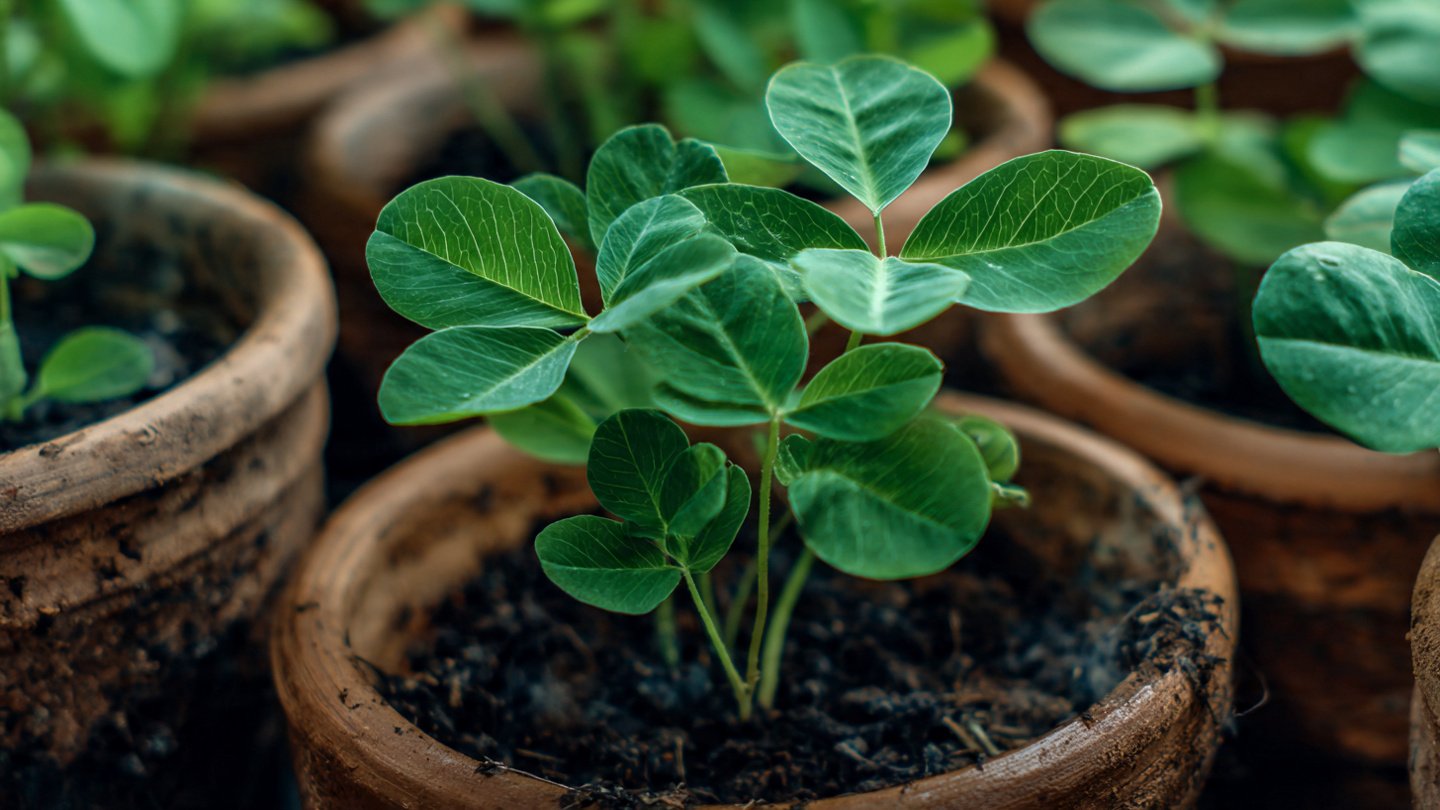
Fenugreek leaves, commonly known as methi, are a staple in many kitchens thanks to their rich aroma, slightly bitter taste, and impressive nutritional value. The best part is that you don’t need a large garden or advanced skills to grow them. Fenugreek is one of the easiest leafy greens to cultivate, especially in pots, making it perfect for balconies, terraces, windowsills, and small urban spaces.
This comprehensive guide will show you how to grow lush, healthy fenugreek leaves in pots with minimal effort, from seed sowing to harvesting, ensuring a continuous supply of fresh greens at home.
Why Fenugreek Is Ideal for Container Gardening
Fenugreek is a fast-growing leafy herb that adapts well to containers. It has a short life cycle, shallow roots, and low maintenance needs, which makes it ideal for beginners and busy gardeners.
Key benefits include:
- Quick germination and harvest
- Minimal space requirement
- Grows well in small pots
- Can be harvested multiple times
- Thrives in various climates
With basic care, you can harvest fresh methi leaves within just 20–30 days.
Choosing the Right Pot or Container
Selecting the right container is the first step toward effortless fenugreek cultivation.
Ideal container features:
- Depth of at least 6–8 inches
- Good drainage holes at the bottom
- Wide surface area for dense sowing
Fenugreek grows better when sown thickly, so rectangular planters, grow bags, or wide bowls work especially well.
Preparing the Perfect Soil Mix
Fenugreek prefers loose, fertile, and well-draining soil. Heavy or compacted soil slows growth and reduces leaf quality.
Simple soil mix recipe:
- 50% garden soil
- 30% compost or vermicompost
- 20% cocopeat or sand
Mix thoroughly to ensure good aeration. This balanced mix retains enough moisture while allowing excess water to drain easily.
Seed Selection and Preparation
Use fresh, good-quality fenugreek seeds, preferably meant for planting rather than kitchen use, although kitchen seeds often work well too.
Optional but helpful step:
- Soak seeds in water for 6–8 hours before sowing
Soaking speeds up germination and results in more uniform sprouting.
How to Sow Fenugreek Seeds in Pots
Fenugreek seeds are easy to sow and don’t require precision.
Step-by-step sowing process:
- Fill the pot with prepared soil mix, leaving 1–2 cm from the top
- Scatter seeds evenly over the soil surface
- Cover lightly with a thin layer of soil
- Water gently using a spray or watering can
Avoid sowing seeds too deep, as shallow sowing promotes faster germination.
Germination and Early Care
Fenugreek seeds usually germinate within 3–6 days.
During this stage:
- Keep the soil consistently moist
- Avoid overwatering
- Place pots in a bright, sunny location
Once seedlings emerge, they grow rapidly with minimal attention.
Sunlight Requirements for Healthy Growth
Fenugreek thrives in sunlight but is also tolerant of partial shade.
Best conditions:
- 4–6 hours of direct sunlight daily
- Bright indirect light for the rest of the day
Too much intense afternoon sun in hot climates can cause leaf yellowing, so light shade during peak heat is beneficial.
Watering: The Low-Effort Rule
Fenugreek does not like waterlogged soil, but it also dislikes dryness.
Easy watering tips:
- Water when the topsoil feels slightly dry
- Use a gentle flow to avoid disturbing roots
- Ensure excess water drains out
Consistent moisture encourages tender, flavorful leaves.
Feeding Fenugreek Without Extra Work
Fenugreek is a light feeder and usually doesn’t require frequent fertilization.
Minimal-effort feeding plan:
- Mix compost into soil before sowing
- Add a small amount of vermicompost once after 15–20 days
Avoid chemical fertilizers, as they promote rapid growth with weaker flavor.
Thinning and Spacing (Optional)
If seedlings grow too crowded, thin them slightly by removing a few plants. This improves airflow and leaf size. However, fenugreek can still grow well even when sown densely, especially if you prefer smaller, tender leaves.
Harvesting Fenugreek Leaves the Right Way
Harvesting is where the real reward begins.
When to harvest:
- First harvest: 20–25 days after sowing
- Plants should be 10–15 cm tall
How to harvest:
- Cut leaves 2–3 cm above soil level
- Use scissors or pinch gently
This method allows regrowth, giving you a second harvest after 10–15 days.
Multiple Harvests from One Pot
With proper care, you can harvest fenugreek leaves 2–3 times from the same pot.
After each harvest:
- Water lightly
- Add a small amount of compost
- Keep the pot in good sunlight
Eventually, plants will flower and become less leafy, at which point it’s best to resow fresh seeds.
Common Problems and Easy Solutions
Fenugreek is generally trouble-free, but minor issues may occur.
Yellow leaves:
- Caused by overwatering or poor drainage
Slow growth:
- Due to low sunlight or poor soil
Pests:
- Rare, but aphids may appear
- Spray diluted neem oil if needed
Most problems are easily fixed by adjusting water and light.
Growing Fenugreek Year-Round in Pots
Fenugreek grows best in cool to mild weather but can be grown year-round in many regions.
- In hot weather, provide partial shade
- In cooler months, place pots in full sun
Because of its short growth cycle, fenugreek is perfect for continuous sowing every 2–3 weeks.
Final Thoughts
Growing fenugreek leaves in pots is one of the simplest and most rewarding home gardening experiences. With minimal effort, basic materials, and a little sunlight, you can enjoy fresh, aromatic methi straight from your balcony or kitchen garden. Its fast growth, multiple harvests, and low maintenance make fenugreek an ideal choice for beginners and seasoned gardeners alike.