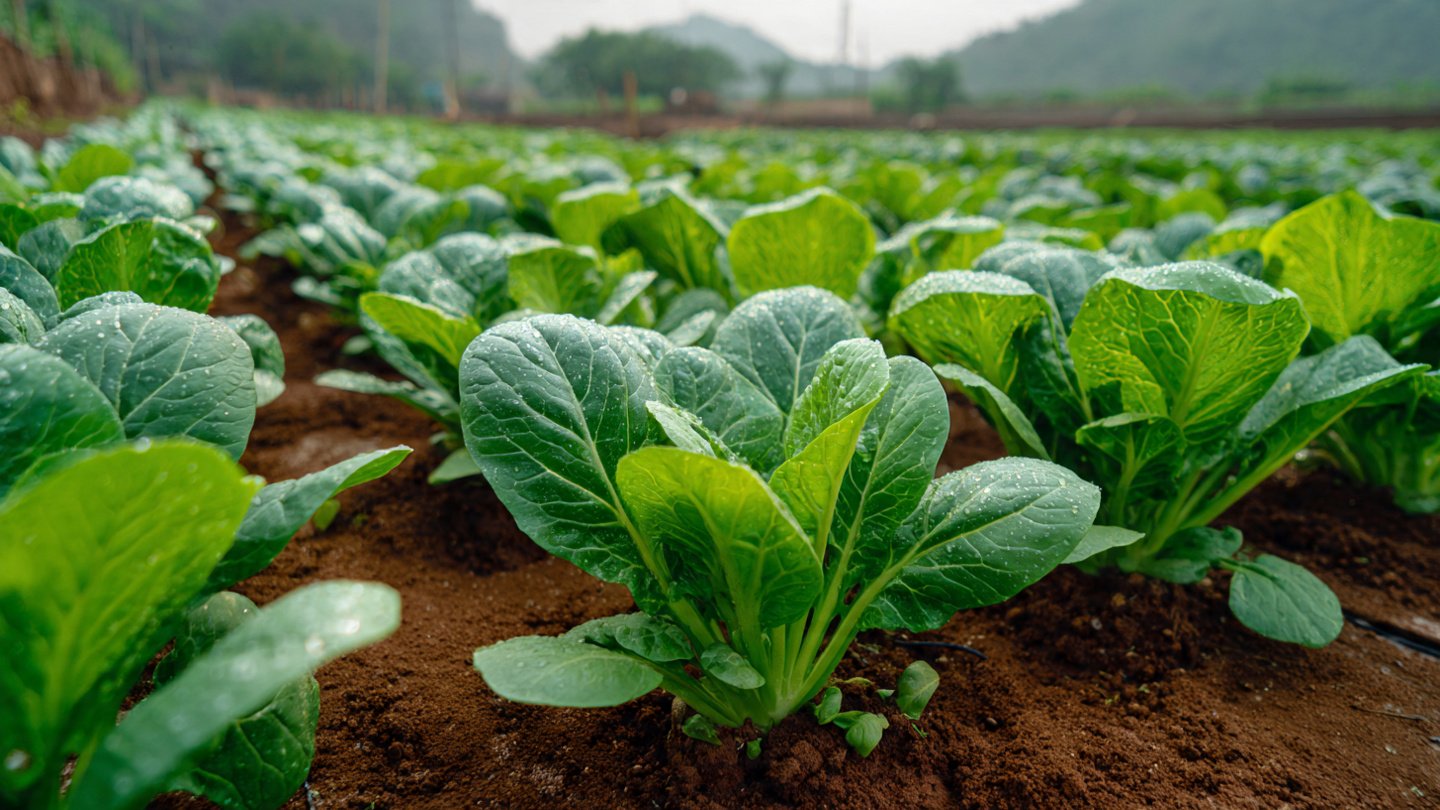
Palak, commonly known as spinach, is one of the most popular leafy greens grown in home gardens due to its fast growth, rich nutritional value, and versatility in the kitchen. Whether you have a backyard garden, terrace, or even a small balcony, palak can be cultivated easily and harvested within a short time. With the right techniques, you can enjoy multiple harvests of tender, nutrient-packed leaves throughout the season. This comprehensive guide explains how to cultivate fast-growing palak for quick harvests while ensuring optimal nutrition.
Why Grow Palak at Home?
Palak is an excellent choice for home gardeners because it grows quickly and requires minimal space. From sowing to the first harvest, palak can be ready in as little as three to four weeks under ideal conditions. It is also a cool-season crop that thrives in mild temperatures, making it suitable for most regions during autumn, winter, and early spring.
Nutritionally, palak is a powerhouse. It is rich in iron, calcium, folate, fiber, and vitamins A, C, and K. Freshly harvested leaves retain far more nutrients than store-bought greens, which may lose nutritional value during transport and storage. Growing palak at home ensures you get clean, chemical-free greens whenever you need them.
Choosing the Right Variety for Fast Growth
Selecting the right palak variety is the first step toward quick harvests. Look for varieties known for rapid leaf production and tender texture. Smooth-leaf or semi-savoy types generally grow faster and are easier to clean than heavily crinkled varieties. Local varieties adapted to your climate often perform better and mature more quickly than imported seeds.
Always use fresh, high-quality seeds for best germination. Older seeds may sprout unevenly, slowing down growth and reducing yields.
Ideal Climate and Growing Conditions
Palak grows best in cool to mild temperatures, typically between 10°C and 25°C. Excessive heat can cause bolting, where the plant quickly produces flowers and seeds instead of leaves, resulting in bitter taste and reduced harvests. If you live in a warm climate, grow palak during cooler months or provide partial shade during the hottest part of the day.
Sunlight is essential for healthy growth. Palak prefers full sun to partial shade, receiving at least four to six hours of sunlight daily. Too little light slows growth, while intense midday sun in hot climates may stress the plants.
Preparing the Soil for Rapid Growth
Healthy soil is the foundation of fast-growing palak. The soil should be loose, well-draining, and rich in organic matter. Heavy or compacted soil restricts root growth and slows leaf development.
Before sowing, loosen the soil to a depth of at least 15–20 cm. Mix in well-decomposed compost or aged manure to improve fertility and soil structure. Palak prefers slightly alkaline to neutral soil, but it adapts well to most garden soils if drainage is good.
For container gardening, use a high-quality potting mix enriched with compost. Containers should be at least 15 cm deep to allow proper root development.
Sowing Palak Seeds Correctly
Direct sowing is the most effective method for growing palak quickly. Palak does not transplant well, and direct seeding avoids transplant shock. Sow seeds about 1–2 cm deep and space them evenly in rows or scatter them thinly across the bed.
If sowing in rows, maintain a spacing of about 15–20 cm between rows. Once seedlings emerge, thin them to allow enough space for healthy leaf growth. Crowded plants grow slowly and produce smaller leaves.
After sowing, water gently to keep the soil evenly moist. Germination usually occurs within five to ten days, depending on temperature and seed quality.
Watering for Speed and Tender Leaves
Consistent moisture is crucial for fast growth and tender palak leaves. The soil should remain evenly moist but not waterlogged. Irregular watering can slow growth and cause leaves to become tough or bitter.
Water lightly and frequently, especially during dry weather. In containers, palak may need daily watering, as pots dry out faster than garden beds. Mulching with straw, dry leaves, or coco peat helps retain moisture and keeps soil temperature stable.
Feeding Palak for Optimal Nutrition
Palak is a leafy green, which means it benefits from nitrogen-rich nutrition. However, excessive fertilizer can lead to overly soft growth and reduced nutritional balance. A moderate and balanced feeding approach works best.
Apply compost or vermicompost before sowing to provide a steady supply of nutrients. If needed, you can supplement with a diluted organic liquid fertilizer once every two weeks. Avoid heavy chemical fertilizers, as they may cause nitrate buildup in the leaves.
Healthy, well-nourished plants not only grow faster but also produce more nutritious leaves.
Thinning and Weeding for Better Growth
Once seedlings are a few centimeters tall, thinning is essential. Remove weaker seedlings to give the remaining plants enough space to grow. Proper spacing improves air circulation, reduces disease risk, and encourages larger, faster-growing leaves.
Weeds compete with palak for nutrients, water, and sunlight. Regularly remove weeds, especially during the early growth stage. Mulching also helps suppress weed growth and saves time on maintenance.
Harvesting Palak for Continuous Yields
One of the best ways to ensure quick and repeated harvests is to harvest palak correctly. Instead of uprooting the entire plant, harvest outer leaves when they reach 10–15 cm in length. This allows the inner leaves to continue growing, providing multiple harvests from the same plant.
With proper care, you can start harvesting palak within three to four weeks of sowing and continue harvesting every 7–10 days. Regular harvesting actually encourages faster and bushier growth.
For baby spinach, harvest earlier when leaves are young and tender. These leaves are especially nutritious and ideal for salads and quick cooking.
Preventing Bolting and Common Problems
Bolting is the most common issue when growing palak, especially in warm weather. To prevent it, grow palak during cooler seasons, provide partial shade if needed, and keep the soil consistently moist.
Pests and diseases are generally minimal, but occasional leaf-eating insects may appear. Hand-picking pests and maintaining garden hygiene usually keeps problems under control. Avoid overcrowding and overwatering to reduce the risk of fungal diseases.
Conclusion
Cultivating fast-growing palak at home is both simple and rewarding. With the right variety, well-prepared soil, consistent watering, and proper harvesting techniques, you can enjoy quick harvests of fresh, nutritious leaves throughout the growing season. Whether grown in garden beds, pots, or grow bags, palak adapts easily and delivers excellent yields in a short time. By following these practical tips, you can ensure a steady supply of healthy greens that enhance both your meals and your well-being.