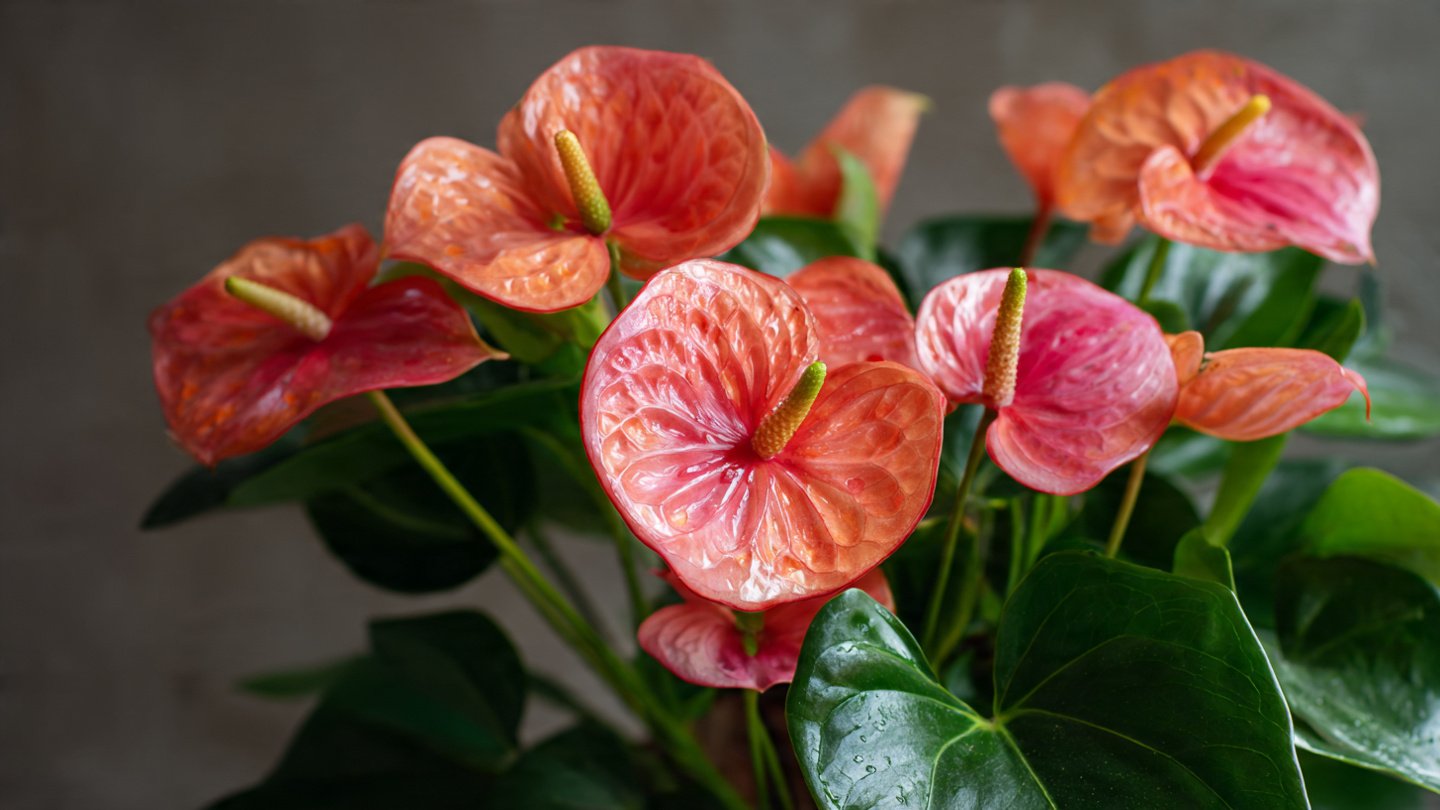
Anthuriums, often referred to as flamingo flowers or laceleaf plants, are beloved for their glossy, heart-shaped leaves and striking, long-lasting blooms. With their bright red, pink, or white spathes and vibrant yellow or orange spadices, Anthuriums are a favorite in homes and offices, bringing an exotic touch and a tropical vibe. However, like any flowering plant, Anthuriums can sometimes lose their luster, with blooms fading prematurely or leaves appearing dull.
The good news is that with proper care, attention to environmental conditions, and a few simple techniques, you can revive your Anthurium blooms and encourage new flowering. This guide provides a comprehensive roadmap to restoring vitality to your Anthurium, ensuring lush foliage and vibrant blooms year-round.
Understanding Anthurium Blooming Patterns
Before diving into revival techniques, it’s important to understand how Anthuriums flower:
- Bloom Cycle: Anthuriums produce spathes throughout the year in tropical climates, though indoor plants may have periodic flowering cycles influenced by light, temperature, and care.
- Lifespan of Spathes: Individual blooms can last 6–8 weeks, gradually fading as the plant focuses energy on new growth.
- Energy Allocation: Anthuriums often prioritize leaf growth over flowering if environmental conditions are suboptimal.
Understanding these patterns helps identify whether your plant is simply between bloom cycles or experiencing stress that requires intervention.
Common Reasons Anthurium Blooms Decline
Several factors can cause blooms to fade prematurely or stop forming altogether:
- Insufficient Light: Anthuriums need bright, indirect light to stimulate flowering. Low light results in lush leaves but fewer blooms.
- Overwatering or Underwatering: Anthuriums are sensitive to moisture. Too much water can lead to root rot, while too little stresses the plant, reducing flower production.
- Nutrient Deficiency: Lack of essential nutrients, particularly phosphorus and potassium, can limit bloom formation.
- Low Humidity: These tropical plants thrive in humidity above 60%. Dry indoor air may cause leaves to droop and flowers to wither.
- Improper Temperature: Anthuriums prefer consistent temperatures between 65–80°F (18–27°C). Sudden temperature drops or cold drafts can halt blooming.
Identifying the underlying issue is key to implementing effective revival strategies.
Step 1: Assess and Adjust Lighting
Lighting is crucial for both foliage and flowering:
- Optimal Light: Place your Anthurium in a spot with bright, indirect sunlight. East-facing windows are ideal, while south-facing windows should be filtered with sheer curtains.
- Avoid Direct Sun: Direct sunlight can scorch leaves and damage blooms.
- Artificial Light: In low-light environments, supplement with fluorescent or LED grow lights for 10–12 hours per day to stimulate flowering.
By ensuring adequate light, you provide the energy needed for your Anthurium to produce vibrant blooms.
Step 2: Watering Correctly
Proper watering is essential for plant health and flower production:
- Check Soil Moisture: Water only when the top 1–2 inches of soil are dry. Stick your finger into the soil to gauge moisture levels.
- Water Thoroughly: Water evenly until it drains from the bottom of the pot, ensuring roots receive moisture without waterlogging.
- Drainage Matters: Use pots with drainage holes to prevent root rot.
- Humidity: Increase humidity by misting leaves regularly, placing a tray of water nearby, or using a humidifier.
Balanced watering restores vigor to stressed plants and helps maintain bloom longevity.
Step 3: Fertilize to Encourage Blooming
Nutrients are critical for flower development:
- Balanced Fertilizer: Use a water-soluble fertilizer with a higher phosphorus content, which supports bloom formation. A 10-30-20 NPK ratio is ideal.
- Frequency: Feed your Anthurium every 6–8 weeks during the growing season.
- Organic Options: Compost tea, diluted fish emulsion, or orchid fertilizer can also provide essential nutrients.
- Avoid Overfertilizing: Excess nitrogen encourages foliage growth at the expense of flowers.
Regular feeding revitalizes the plant and signals it to produce new blooms.
Step 4: Prune and Remove Dead Blooms
Pruning encourages healthy growth and reduces stress on the plant:
- Dead or Faded Flowers: Remove wilted spathes and discolored spadices with clean, sharp scissors.
- Damaged Leaves: Trim yellow, brown, or damaged leaves to redirect energy toward new blooms.
- Sanitation: Sterilize scissors before pruning to prevent disease transmission.
Pruning keeps the plant looking neat and stimulates it to produce fresh flowers.
Step 5: Repot or Refresh Soil
Old or compacted soil can hinder root growth and nutrient uptake:
- Repotting Frequency: Anthuriums benefit from repotting every 2–3 years.
- Soil Requirements: Use a well-draining, loose potting mix rich in organic matter. A blend of orchid bark, peat moss, and perlite works well.
- Reusable Soil: If using previously used soil, refresh it by adding compost or organic fertilizer to restore nutrients.
- Pot Size: Choose a pot slightly larger than the current root ball to encourage root expansion without waterlogging.
Fresh, well-aerated soil encourages healthy roots, which support vibrant blooms.
Step 6: Maintain Ideal Temperature and Humidity
Environmental conditions strongly influence flowering:
- Temperature Range: Keep indoor temperatures between 65–80°F (18–27°C). Avoid cold drafts, sudden drops, or direct heat sources.
- Humidity: Aim for 60–80% relative humidity. Use humidifiers, pebble trays, or group plants together to increase moisture in the air.
- Air Circulation: Ensure gentle airflow to prevent fungal issues, but avoid strong, drying winds.
Maintaining consistent conditions reduces stress and encourages the plant to allocate energy toward flower production.
Step 7: Encourage New Growth with Propagation Techniques
Sometimes, reviving blooms involves stimulating overall plant growth:
- Division: Mature Anthuriums can be divided to promote healthier growth and encourage flowering.
- Stem Cuttings: Propagating new plants from healthy stems ensures vigorous offspring with the potential for abundant blooms.
- Leaf Care: Remove dust and wipe leaves to allow maximum light absorption, improving photosynthesis and energy for flowers.
Stimulating new growth ensures the plant remains vibrant and ready to produce more blooms.
Step 8: Monitor and Prevent Pests
Healthy plants bloom better, and preventing pests is part of care:
- Common Pests: Aphids, mealybugs, spider mites, and scale can damage leaves and flowers.
- Detection: Inspect leaves and flowers regularly for signs of pests or damage.
- Treatment: Wipe leaves with a damp cloth, spray with insecticidal soap, or apply neem oil.
- Prevention: Keep leaves dry and remove fallen debris to reduce breeding grounds for pests.
Healthy, pest-free Anthuriums are more likely to produce long-lasting, vibrant blooms.
Step 9: Patience and Seasonal Awareness
Even with perfect care, flowering may take time:
- Bloom Timing: Indoor Anthuriums often have seasonal flowering cycles influenced by light and temperature.
- Recovery Period: After stress, plants may take a few weeks to months to produce new blooms.
- Consistent Care: Stick to regular watering, feeding, and pruning schedules to encourage healthy flowering cycles.
Understanding the plant’s natural rhythm helps set realistic expectations and avoids frustration.
Conclusion
Reviving Anthurium blooms is entirely achievable with attentive care and a few simple techniques. By addressing light, water, nutrients, pruning, soil quality, humidity, and temperature, you can restore vibrancy to fading flowers and stimulate new growth. Incorporating regular monitoring, pest prevention, and seasonal awareness ensures your Anthurium thrives and produces stunning blooms year-round.
With patience and consistent care, your Anthurium can regain its striking foliage and vivid flowers, bringing tropical elegance to your indoor space. From removing wilted blooms and refreshing soil to adjusting light and humidity, these simple strategies empower gardeners to enjoy healthy, long-lasting Anthurium blooms that brighten any home or office.
A little attention and thoughtful care go a long way in transforming a tired, stressed Anthurium into a flourishing centerpiece of lush leaves and radiant blooms, proving that even the most delicate tropical plants can thrive indoors with the right approach.