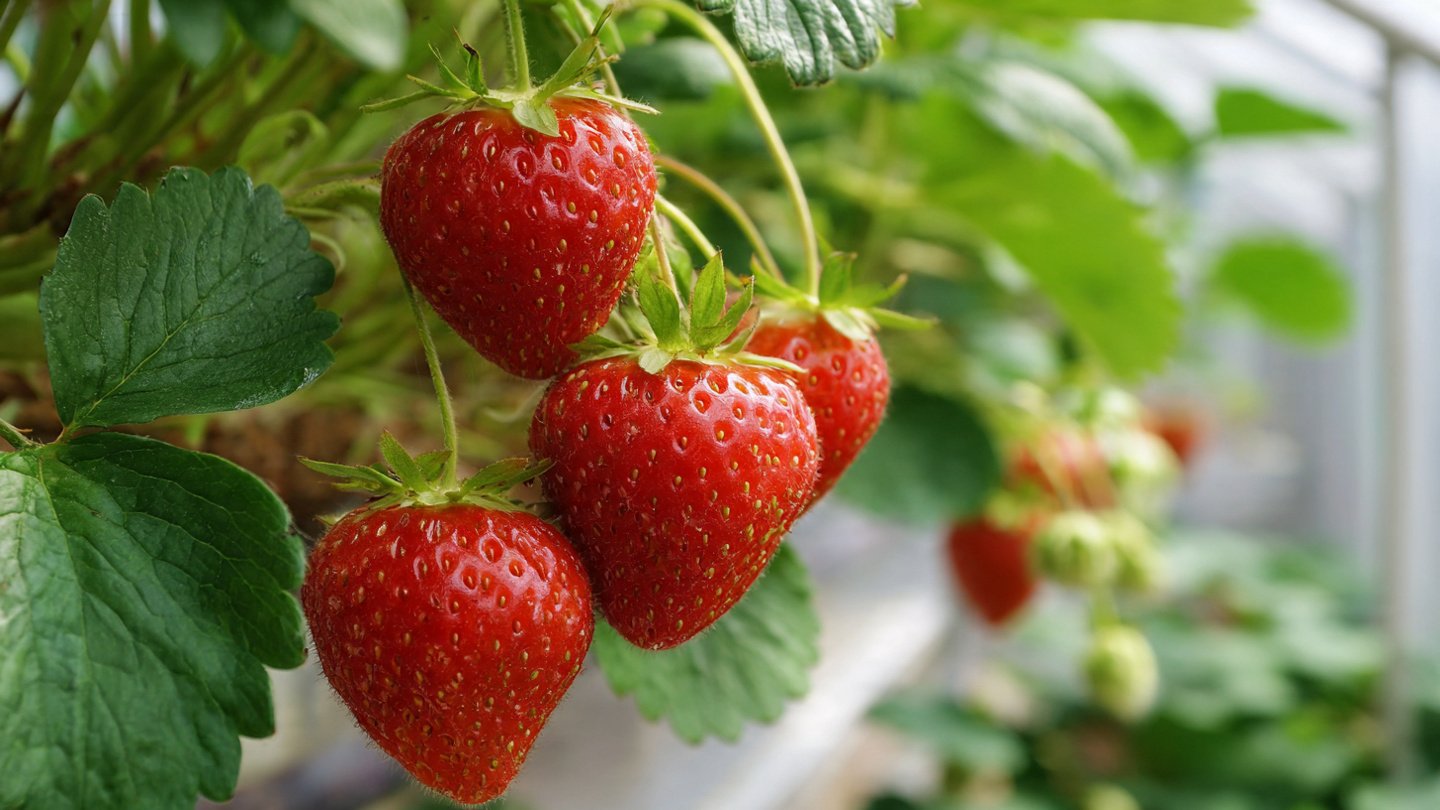
Growing strawberries indoors during the winter months may sound challenging, but with the right approach, it can be both successful and deeply rewarding. While outdoor strawberry plants typically go dormant in cold weather, indoor cultivation allows you to enjoy fresh, sweet berries even when temperatures drop outside. Whether you have limited outdoor space or simply want homegrown fruit year-round, indoor strawberry growing is an excellent solution.
This comprehensive guide explains everything you need to know to successfully grow strawberries indoors during winter—from choosing the right varieties to harvesting juicy berries at home.
Why Grow Strawberries Indoors in Winter?
Strawberries are one of the most popular fruits worldwide, but fresh, flavorful berries can be expensive and less tasty during winter. Growing strawberries indoors ensures a steady supply of chemical-free fruit while also adding greenery to your living space. Indoor cultivation protects plants from frost, pests, and unpredictable weather, giving you more control over growing conditions.
Additionally, strawberry plants are compact and adaptable, making them ideal for windowsills, balconies, and small indoor gardens.
Choosing the Right Strawberry Variety
Not all strawberry varieties perform well indoors. For winter growing, day-neutral and everbearing varieties are the best choices. These types produce fruit regardless of day length and are well-suited to indoor environments.
Day-neutral strawberries consistently flower and fruit throughout the year when provided with adequate light and warmth. Everbearing varieties produce multiple harvests rather than a single large crop. Avoid June-bearing varieties for indoor winter growing, as they rely heavily on seasonal outdoor conditions.
Selecting Containers and Growing Space
Strawberries have shallow root systems, making them ideal for containers. Choose pots or grow bags that are at least 6–8 inches deep with proper drainage holes. Hanging baskets, window boxes, and vertical planters also work well for indoor strawberry cultivation.
Place your containers near a bright window that receives plenty of sunlight. South-facing windows are ideal. If natural light is limited, grow lights can be used to supplement light and ensure healthy plant growth.
Preparing the Right Soil Mix
Well-draining soil is essential for growing strawberries indoors. A loose, airy potting mix helps prevent root rot and encourages strong root development. Use a high-quality potting mix enriched with compost or organic matter.
Avoid garden soil, as it tends to compact easily and may contain pests or diseases. Adding perlite or coco peat improves aeration and drainage, which is especially important in indoor environments.
Planting Strawberries Indoors
You can start strawberries indoors using crowns, runners, or nursery plants. When planting, ensure the crown sits just above the soil surface. Burying the crown too deeply can cause rot, while planting it too high may dry out the roots.
Water lightly after planting and allow the soil to settle. Avoid overwatering, as strawberries prefer moist but not soggy conditions.
Light Requirements During Winter
Light is one of the most critical factors for indoor strawberry success. Strawberry plants require at least 6–8 hours of bright light daily. During winter, natural sunlight may not be sufficient, especially in cloudy regions.
Using LED grow lights can significantly improve growth and fruit production. Position lights 6–12 inches above the plants and keep them on for 12–14 hours per day. Consistent lighting helps prevent weak, leggy growth and promotes flowering.
Temperature and Humidity Control
Strawberries thrive in moderate temperatures. The ideal indoor temperature range is between 18–24°C. Avoid placing plants near heaters, radiators, or cold drafts, as sudden temperature fluctuations can stress the plants.
Indoor heating can reduce humidity during winter. Strawberries prefer moderate humidity, so misting occasionally or placing a tray of water near the plants can help maintain moisture in the air.
Watering and Feeding Schedule
Water strawberries when the top inch of soil feels dry. Overwatering is a common mistake that leads to root rot and fungal diseases. Always allow excess water to drain freely from the pot.
Feed indoor strawberries every two to three weeks with a balanced liquid fertilizer or organic compost tea. Avoid excessive nitrogen, as it promotes leafy growth at the expense of flowers and fruit.
Pollination Indoors
Unlike outdoor plants, indoor strawberries lack natural pollinators such as bees. To ensure fruit development, you may need to hand-pollinate the flowers. Gently brush the center of each flower using a soft paintbrush or cotton swab to transfer pollen.
Hand pollination is simple and significantly improves fruit set when growing strawberries indoors.
Managing Pests and Diseases
Indoor strawberries are less prone to pests, but problems can still occur. Watch for aphids, spider mites, or fungal issues caused by high humidity and poor air circulation.
Inspect plants regularly, remove damaged leaves, and improve airflow by spacing plants properly. Neem oil or mild soap sprays can help control pests naturally if needed.
Harvesting Indoor Strawberries
Strawberries are ready to harvest when they are fully red and fragrant. Pick berries gently to avoid damaging the plant. Regular harvesting encourages continued fruit production and prevents overripe fruit from attracting pests.
Indoor-grown strawberries may be smaller than outdoor ones, but they are often sweeter due to controlled growing conditions.
Common Mistakes to Avoid
- Insufficient light during winter
- Overwatering or poor drainage
- Ignoring pollination needs
- Using heavy or compacted soil
- Overfeeding with nitrogen-rich fertilizers
Avoiding these issues greatly increases your success rate.
Final Thoughts
Growing strawberries indoors during winter is an enjoyable and practical way to enjoy fresh fruit year-round. While it requires attention to light, temperature, and watering, the process is well within reach for beginners. With the right varieties, proper containers, and consistent care, you can transform your indoor space into a productive strawberry garden even during the coldest months.
By following this guide, you’ll not only enjoy homegrown strawberries but also gain the satisfaction of nurturing healthy plants through winter—proving that fresh, delicious fruit doesn’t have to wait for spring.